
Standard Operating Procedures (SOPs) serve as essential documents within various industries and organizations, providing a structured guide for carrying out specific tasks, processes, or activities. They play a crucial role in ensuring consistency, efficiency, and quality in operations.
You May like to read –
- Technical Writing for Quality Management System (QMS)
- Risk Management in Quality Compliance | Everything To Know
- 10 Key Elements of GLP Compliance for Safe and Reliable Data
- Quality Regulatory Compliance Guide for Businesses
- GLP vs. GMP vs. GCP: Understanding the Differences
This article delves into the significance of SOP documentation, its structure, key components, and best practices for creating effective SOPs.
What is an SOP?
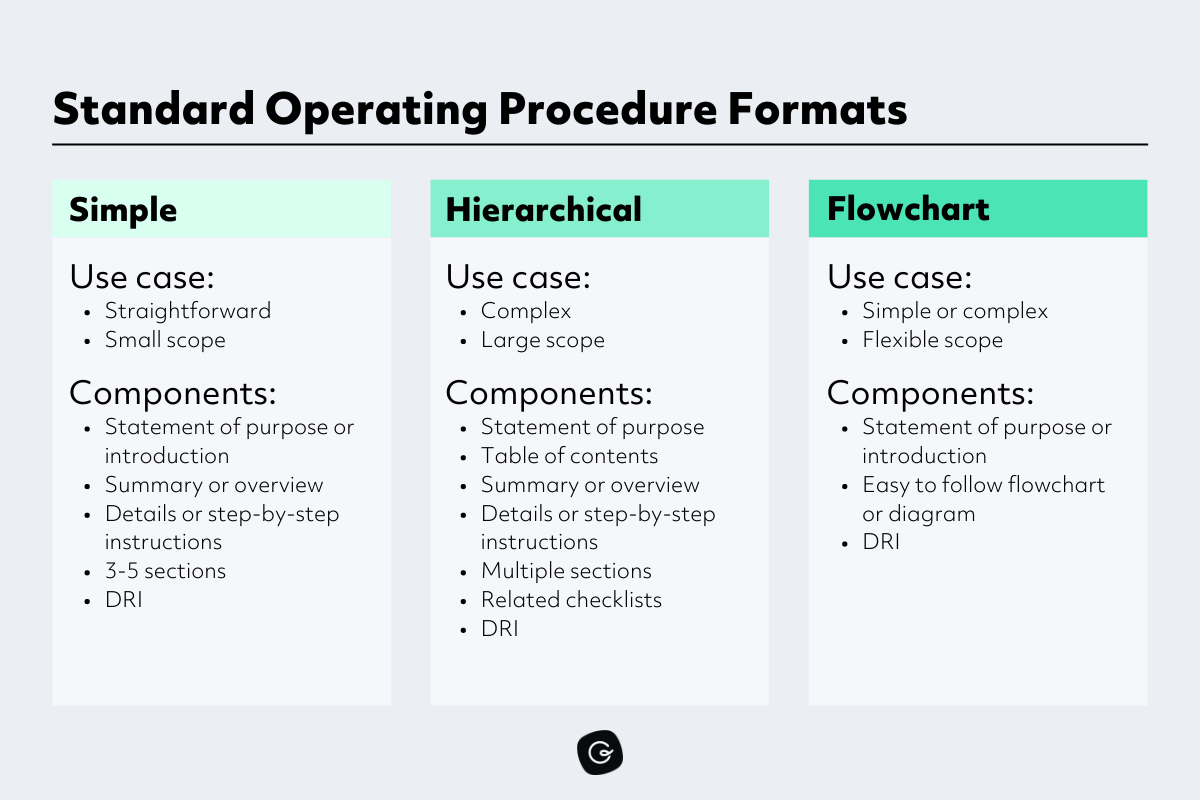
A Standard Operating Procedure (SOP) is a comprehensive document that outlines step-by-step instructions for performing a specific task, process, or activity. It serves as a reference guide for employees, ensuring that tasks are carried out uniformly, regardless of who is performing them. SOPs can range from simple tasks like data entry to complex processes such as manufacturing, clinical trials, or emergency response.
Why is SOP Documentation Important?
SOP documentation holds several crucial benefits for organizations:
- Consistency: SOPs ensure that processes are executed consistently, reducing variability and minimizing errors.
- Efficiency: They provide a structured approach to tasks, optimizing time and resource utilization.
- Quality Assurance: SOPs establish standardized methods that contribute to producing high-quality results.
- Training and Onboarding: New employees can quickly learn and understand processes, leading to faster integration.
- Regulatory Compliance: SOPs are often required to meet industry regulations and standards.
- Risk Mitigation: By following established procedures, the potential for mistakes and accidents is reduced.
Structure of an SOP
An effective SOP comprises the following key sections:
- Title Page: Includes the SOP title, document number, revision number, and release date.
- Purpose: Clearly states the objective of the SOP and why it is important.
- Scope: Defines the boundaries of the SOP, specifying what processes or tasks it covers.
- Definitions: Provides explanations for key terms used within the document.
- References: Lists any external documents, regulations, or standards that the SOP aligns with.
- Procedures: Contains the step-by-step instructions for carrying out the task or process.
- Appendices: Includes supplementary materials like forms, templates, or additional resources.
- Revision History: Tracks changes made to the SOP over time.
- Approval Signatures: Shows who has reviewed and approved the SOP.
Components of an SOP
The effectiveness of an SOP hinges on the following components:
- Clear and Concise Language: SOPs should use simple and straightforward language to ensure easy comprehension.
- Step-by-Step Instructions: Each step should be detailed, leaving no room for ambiguity.
- Accurate and Complete Information: Information provided must be accurate and up-to-date.
- Consistency with Other SOPs: SOPs within an organization should be consistent in style, terminology, and format.
- Compliance with Regulations: SOPs must adhere to relevant industry regulations and standards.
Best Practices for SOP Documentation
Creating valuable SOPs requires adhering to the following best practices:
- Use a Template: Start with a standardized template to maintain a consistent format across all SOPs.
- Get Input from Stakeholders: Involve relevant stakeholders in the creation process to ensure accuracy and completeness.
- Review and Revise Regularly: SOPs should be periodically reviewed and updated to reflect changes in processes or regulations.
- Testing and Validation: Before finalizing an SOP, test the procedure to ensure its effectiveness and feasibility. Validate the steps with individuals who regularly perform the tasks to identify any potential issues or improvements.
- Documentation Maintenance: Maintain an organized and easily searchable repository for all SOPs. Keep track of revisions, retire outdated versions, and archive previous iterations for reference purposes.
- Continuous Improvement: Encourage feedback from the SOPs’ users and promote a continuous improvement culture. Regularly evaluate the effectiveness of the procedures and make necessary adjustments based on feedback and evolving requirements.
Conclusion
Standard Operating Procedures are vital tools for maintaining consistency, efficiency, and quality within organizations. By following a structured approach to SOP documentation and adhering to best practices, businesses can ensure that their processes are well-documented, accessible, and aligned with industry standards. This enhances operational excellence and contributes to overall growth and success.
About GxP Cellators
Our organization specializes in providing contract services to clients in the life sciences industry, focusing on the design and implementation of tailored quality management systems. We have extensive experience in developing comprehensive quality management systems for all stages of drug development programs and manufacturing operations. We work closely with sponsor companies to build stage-specific quality systems that cover non-clinical, clinical, and final commercialization phases. Our expertise also encompasses the development and implementation of quality systems that adhere to established industry standards, including Good Manufacturing Practices mandated by the United States Food and Drug Administration, Health Canada, and EU-Good Manufacturing Practices, Good Laboratory Practices for non-clinical operations incorporating OECD Principles of GLP and Part 58, Good Clinical Practices such as USFDA, EMA, and Health Canada, and pertinent ISO standards.
Our team of technical writers consists of seasoned subject matter experts, each with a distinguished portfolio of successful projects within the life sciences industry. They are readily available to provide the indispensable services required to meet regulatory obligations and cater to the particular demands of our clientele.

