
Construction Plan for a Biologics Manufacturing Facility
A construction plan is a blueprint for a facility’s physical build and systems integration. It ensures the project is executed efficiently, stays within budget, and complies with necessary regulations.
This plan is crucial for biologics manufacturing facilities because it ensures that the facility meets the stringent standards for safe and effective production and includes controls to prevent contamination. Additionally, the construction plan addresses operational needs such as cleanroom design, environmental control systems (HVAC), and waste management, all while ensuring safety standards are upheld during construction and operation.
Here’s a quick breakdown of the key elements that highlight the importance of a construction plan for biologics manufacturing:
Regulatory Compliance: The construction plan must align with international regulations such as the FDA (21 CFR Parts 210/211), EU-GMP, ISO standards, WHO guidelines, and others. These regulations dictate how biologics manufacturing environments should be designed, operated, and maintained to prevent contamination and ensure product quality.
Safety Requirements: The design must consider safety for construction workers and future employees. This includes compliance with occupational health and safety standards, proper fire safety measures, emergency exits, and worker protection during construction and operation.
Operational Efficiency: The plan should outline how the building will support manufacturing processes, ensuring an efficient flow of materials, personnel, and finished products. It must maintain proper separation between processes, such as raw material storage in sterile and non-sterile zones and finished product storage in non-sterile zones.
Contamination Control: Proper cleanroom design, HVAC systems, and contamination control measures are critical to maintaining sterile environments that meet strict air cleanliness requirements for biologics production.
https://staging.gxpcellators.com/vaccines-manufacturing-understanding-the-stringent-standards-of-vaccine-production-for-global-safety/
Significance of the Construction Plan
Compliance with Regulations: A biologics manufacturing facility must adhere to national and international regulations. A well-prepared construction plan ensures that the building and its systems are designed and constructed to meet these standards.
Safety and Product Integrity: Proper construction is essential for the facility’s safety and prevention of contamination. It also helps maintain sterility and ensures product quality throughout the manufacturing process.
Operational Efficiency: The construction plan outlines a blueprint for efficient workflows by strategically locating equipment, workspaces, and contamination control systems. This organization is crucial for maintaining compliance and enhancing operational efficiency.
Cost and Time Management: A detailed construction plan helps ensure the facility is built within the anticipated budget and timeline, preventing overruns and delays.
Audit and Inspection Readiness: Regulatory bodies regularly inspect biologics manufacturing facilities to verify compliance. A comprehensive construction plan facilitates straightforward audits by clearly documenting adherence to regulations.
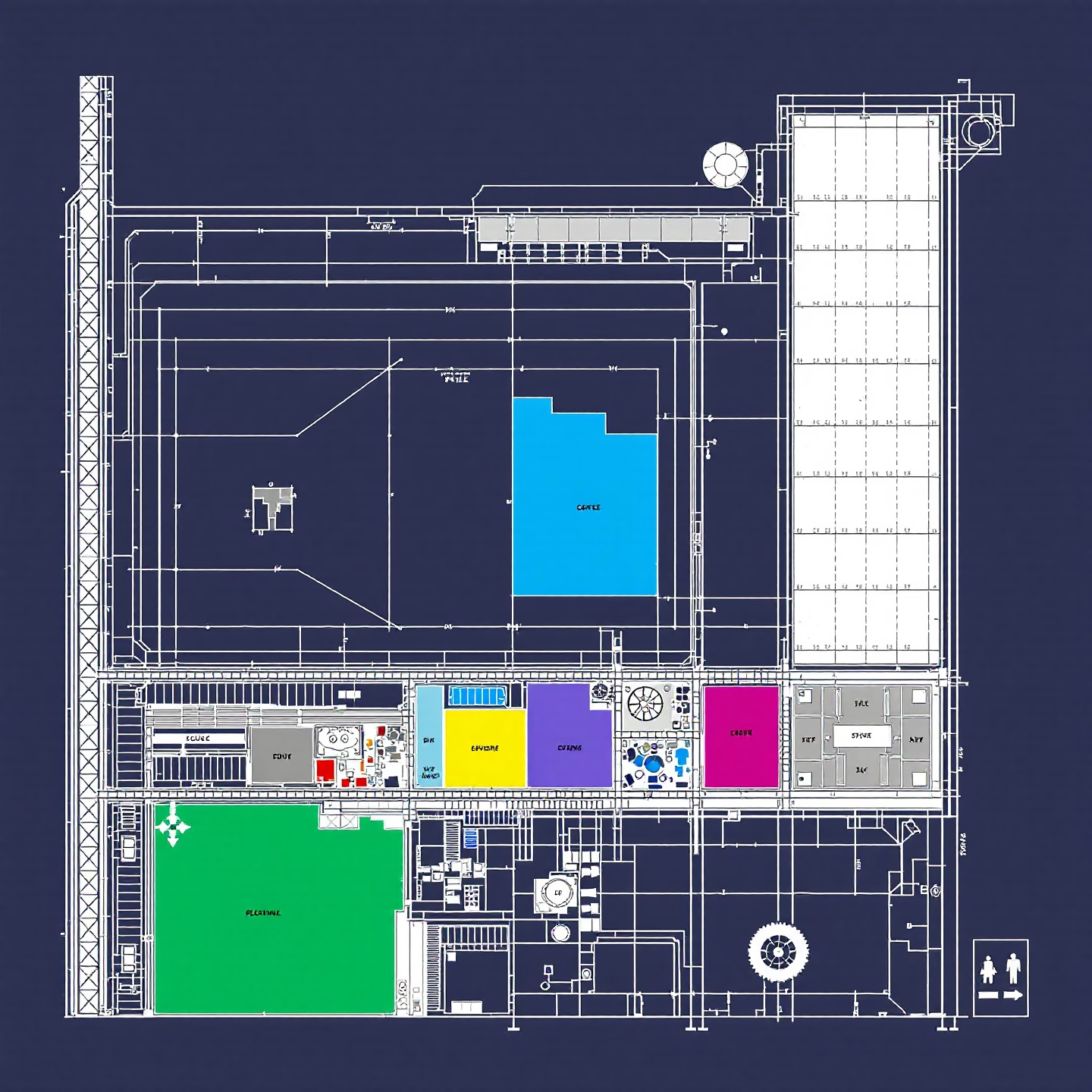
Components of a Construction Plan
Project Overview and Objectives
- Defines the facility’s purpose (e.g., production of biological drugs or vaccines).
- Outlines key objectives, including timelines, budgets, and compliance with regulations.
Regulatory and Standards Compliance
- Identifies relevant regulatory requirements and standards, such as those from the FDA, EU-GMP, ISO, WHO, etc.
- Ensures the facility design meets safety, quality, and environmental control standards.
Design Requirements
- Defines key specifications for the facility layout, including cleanrooms, production areas, storage, and administrative offices.
- This section details the requirements for environmental systems, including HVAC, filtration, and monitoring systems for temperature, humidity, and air pressure.
Construction Phases and Timeline
- Break down the project into distinct phases (e.g., design, construction, testing, validation).
- Provides a detailed timeline for each phase to ensure timely completion.
Resource Allocation
- Identifies the materials, equipment, personnel, and contractors required for each phase.
- Establishes the budget and financial plan for the construction project.
Risk Assessment and Mitigation
- Identifies potential risks in the construction process, such as delays, cost overruns, or regulatory non-compliance.
- Proposes strategies to mitigate these risks.
Health and Safety Requirements
- Details safety protocols during construction to prevent accidents and ensure a safe working environment.
- Includes considerations for future operational safety within the facility.
Quality Control and Assurance
- Specifies quality control measures to ensure the building meets necessary standards for biologics manufacturing during construction.
- Includes inspection processes, testing, and validation steps throughout construction.
Environmental and Sustainability Considerations
- Ensures the construction plan addresses environmental sustainability, including waste disposal, energy efficiency, and materials usage.
Documentation and Approval
- Describes the documentation needed to verify compliance with construction standards.
- Outlines approval processes involving stakeholders and regulatory authorities.
https://staging.gxpcellators.com/building-monitoring-system-bms/
Roles and Responsibilities in Designing a Construction Plan
Project Manager:
- Oversees the construction project, ensuring it meets deadlines, budget, and regulatory requirements.
- Coordinates between different teams (designers, contractors, regulatory bodies).
Design Engineer/Architect:
- Develop the layout and design of the facility, ensuring compliance with regulatory standards.
- Focuses on cleanroom design, airflow management, and other specialized needs for biologics manufacturing.
Regulatory Compliance Officer:
- Ensures the construction plan meets relevant local, national, and international regulatory standards.
- Coordinates with regulatory bodies for approval and audits.
Construction Contractors:
- Responsible for the physical construction of the facility, adhering to the specifications provided by the design team.
- Ensures that safety, quality, and regulatory guidelines are met during construction.
Quality Assurance/Quality Control (QA/QC):
- Ensures that the construction process meets the required quality standards.
- Monitors construction activities, verifies materials, and documents inspections.
Environmental Engineer:
- Responsible for ensuring the construction is environmentally sustainable.
- Designs waste management, water usage, and energy-saving systems.
Health and Safety Officer:
- Oversees construction site safety to prevent accidents.
- Ensures that construction workers follow safety protocols and guidelines.
https://staging.gxpcellators.com/unveiling-the-intricacies-of-gmp-facility-qualifications-commissioning-qualifications-and-validations/
Detailed Components of a Construction Plan
Site Selection and Analysis:
- Evaluate the chosen site for suitability (e.g., accessibility, infrastructure, environmental conditions).
Building Design:
- Defines the physical layout, including the production areas, storage rooms, cleanrooms, utilities, and offices.
- Details airflow and cleanroom specifications, including particulate control, temperature, and humidity requirements.
Mechanical, Electrical, and Plumbing (MEP) Systems:
- Specifies the design and installation of HVAC systems, water, gas, and electricity, which are critical for cleanroom and production operations.
Validation Plan:
- Includes a plan for commissioning and qualification, ensuring that all systems meet operational standards.
- Describes testing for airflow, cleanroom performance, temperature, and humidity controls.
Supply Chain and Logistics Planning:
- Ensures the construction plan incorporates the necessary logistics for materials, equipment, and staff during the building phase.
- Plans for future supply chain integration once the facility is operational.
Post-Construction Maintenance:
- Defines the long-term maintenance and monitoring of building systems to ensure the facility remains compliant and operational.
https://staging.gxpcellators.com/regulatory-insights-navigating-clean-utility-qualification-requirements/
Regulatory Requirements for Designing a Construction Plan
FDA (Food and Drug Administration):
- Compliance with 21 CFR Part 210/211 (Current Good Manufacturing Practice for Drugs) and 21 CFR Part 820 (Quality System Regulation).
- FDA guidelines for biologics manufacturing outline specific cleanroom and controlled environment standards.
- Compliance with Health Canada’s GMP Guidelines, including requirements for facility layout, cleanrooms, and HVAC systems for biologics production.
EU-GMP (European Union Good Manufacturing Practices):
- EU GMP Annex 1: Manufacture of Sterile Medicinal Products, including requirements for cleanroom design, air quality, and contamination control.
- EU GMP Chapter 3: Premises and Equipment.
ANVISA (National Health Surveillance Agency, Brazil):
- ANVISA Resolution RDC No. 17/2010: Guidelines for cleanrooms in pharmaceutical manufacturing.
TGA (Therapeutic Goods Administration, Australia):
- Compliance with TGA GMP Guidelines, which include facility design standards for biologics manufacturing.
WHO (World Health Organization):
- WHO Technical Report Series No. 961: Annex 9 on Good Manufacturing Practices for sterile pharmaceutical products.
Regulatory Observations and Citations Related to Construction Plans
Regulatory bodies such as the FDA, EU, and others have issued citations and observations for construction-related deficiencies in biologics manufacturing facilities, including:
- Inadequate Cleanroom Design: Observations related to insufficient air quality, pressure differentials, and particulate control in cleanrooms.
- Non-compliance with HVAC Systems: Issues with HVAC systems failing to meet required standards for airflow, humidity, and temperature control.
- Failure to Meet GMP Standards: Citations for facilities not adhering to design and construction standards outlined in GMP regulations, such as inadequate layout or improper separation of areas.
- Safety and Environmental Concerns: Observations regarding inadequate safety features during construction or environmental impact due to improper waste management or resource usage.
Properly addressing these regulatory observations through a well-designed construction plan is essential to achieving and maintaining compliance with global standards.
Contact Us
GxP Cellators is a reputable contract services organization that provides comprehensive Good x Practices (GxP) services in Manufacturing, Laboratory, Distribution, Engineering, and Clinical practices to various industries, including Biopharmaceuticals, Pharmaceuticals, and Medical Devices. We closely collaborate with our esteemed life sciences clients to help them establish greenfield or brownfield projects, guiding them from the project stage to regulatory approval for their GxP sites.
Our team consists of highly qualified experts specializing in Good Manufacturing Practices (GMP), Good Laboratory Practices (GLP), Good Clinical Practices (GCP), Good Distribution Practices (GDP), Cleanroom Operations, and Engineering Operations. Our Subject Matter Experts (SMEs) are extensively trained and possess the essential knowledge and skills to excel in their respective domains.
We also have a team of highly skilled validation specialists with expertise in equipment and utilities qualifications, computerized system validations (CSV), thermal validations, clean utilities validation, and cleanroom validations. Please get in touch with us at for any assistance required to qualify your facilities or site equipment.

