
Biologics I Applications I Regulatory Requirements I GMP Manufacturing
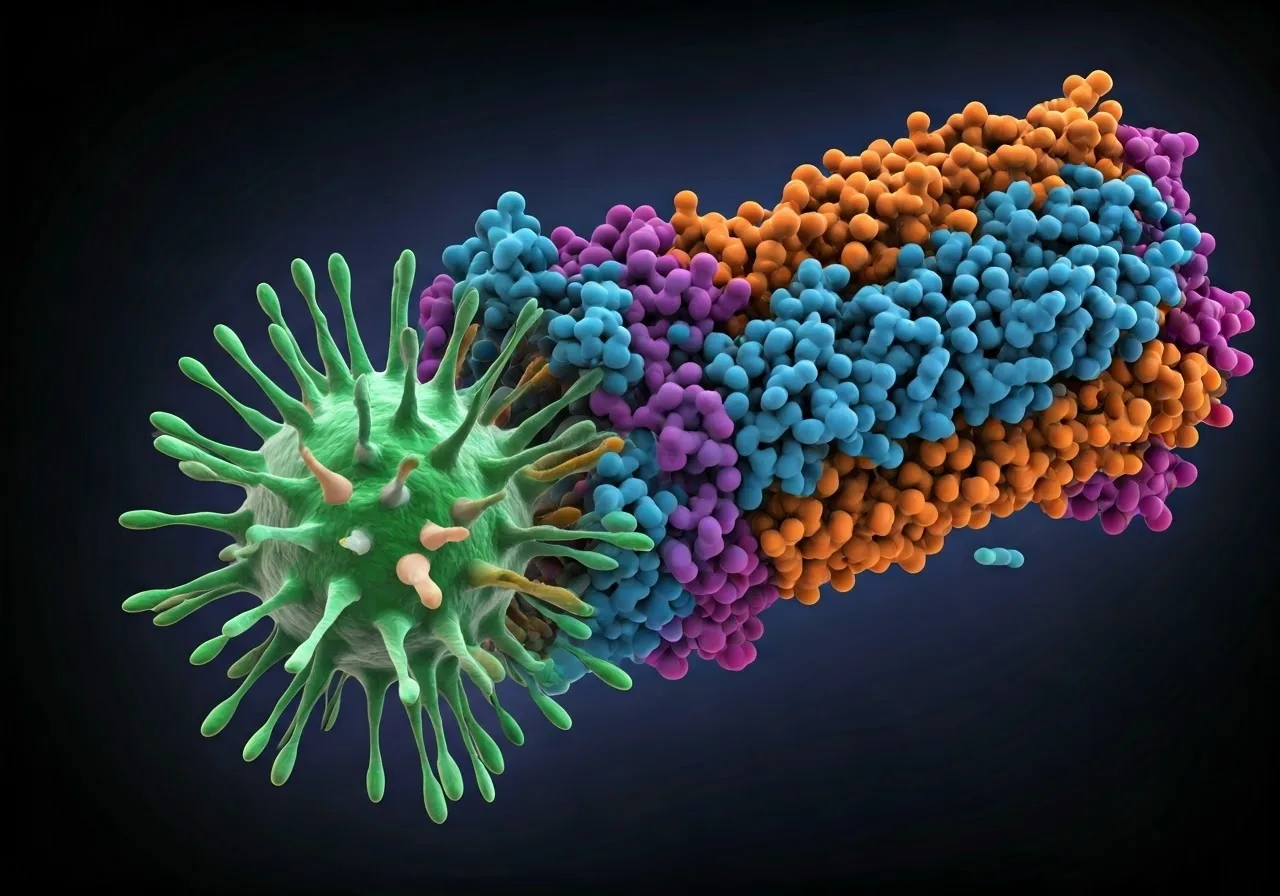
Biologics have become a cornerstone of modern medicine, particularly in treating conditions that were once difficult or impossible to address with traditional small-molecule drugs. Biologics are derived from living organisms or contain components of them, so they are often much more complex than conventional chemical drugs. Here’s a deeper dive into the key aspects of biologics:
Key Characteristics of Biologics:
1. Complexity:
- Unlike small molecule drugs, which are chemically synthesized and have a defined molecular structure, biologics are large, complex molecules that are often proteins (such as antibodies), nucleic acids (like DNA or RNA), or living cells (such as those used in gene and cell therapies).
- These molecules can have intricate three-dimensional structures and post-translational modifications (like glycosylation) that influence their function and therapeutic effects.
2. Sources:
- Biologics are typically produced by organisms such as bacteria, yeast, mammalian cells, or even humans. This can include recombinant DNA technology, cell culture systems, and fermentation.
- For example, recombinant proteins like insulin are produced in bacterial or yeast cells, while monoclonal antibodies are typically created using mammalian cell cultures (e.g., CHO cells).
3. Targeted Mechanisms of Action:
- Biologics often work by mimicking or modulating biological processes in the body. For instance, monoclonal antibodies can specifically bind to targets such as cancer cells or immune system molecules, while gene therapies aim to correct genetic mutations.
- This targeted approach allows biologics to treat diseases at a molecular level, offering advantages like high specificity and lower side effects than traditional drugs.
Challenges in Development and Manufacturing:
1. Production Complexity:
- Biologics production is much more complex and sensitive than that of small-molecule drugs. They require specialized facilities with controlled conditions (e.g., bioreactors for cell cultures) to ensure the product is folded correctly, functional, and contaminant-free.
- Scaling up production can also be difficult due to maintaining cell cultures, purifying the biologic, and ensuring consistency in each batch.
2. Storage and Stability:
- Many biologics are unstable at room temperature and require refrigeration or freezing. For example, some monoclonal antibodies and gene therapies must be kept in cold storage to preserve their effectiveness, which can complicate distribution and storage logistics.
- Proteins and other biologics can also be sensitive to light, pH, and other environmental factors, making formulation and packaging critical to maintaining stability.
3. Cost:
- Biologics’ manufacturing processes are highly specialized and more expensive than traditional chemical drugs. This contributes to their high cost in the market, although their effectiveness and targeted action often justify the price for many patients.
4. Regulation:
- Biologics are tightly regulated, as they are derived from living organisms and have a higher potential for variation between batches. Regulatory bodies such as the FDA (U.S. Food and Drug Administration) and EMA (European Medicines Agency) closely oversee biologic product development through rigorous processes.
- Approval involves thorough clinical trials, detailed reviews of manufacturing processes, and ongoing post-market surveillance. Given the complexity, even slight changes in the manufacturing process or the source material must be evaluated and approved, which can lead to longer timelines for development and approval.
Biologics Manufacturing I Cleanroom Design Qualification Process
Types of Biologic Products and Their Technologies
Monoclonal Antibodies (mAbs): Detailed Overview
1. Overview of Monoclonal Antibodies (mAbs)
Monoclonal antibodies (mAbs) are laboratory-engineered molecules designed to mimic or enhance the immune system’s natural ability to fight diseases. mAbs are created to recognize and bind to specific antigens—molecules typically present on the surface of pathogens (such as viruses and bacteria) or diseased cells (such as cancer cells). By binding these targets, mAbs can neutralize harmful agents or stimulate an immune response to eliminate diseased cells.
The term “monoclonal” refers to the fact that these antibodies are derived from a single clone of immune cells, meaning they are identical and precise to a single target. The production of mAbs has revolutionized the treatment of several diseases, particularly cancers, autoimmune disorders, and infectious diseases.
2. Applications of Monoclonal Antibodies
Monoclonal antibodies are used to treat a wide variety of medical conditions. Some of their key applications include:
- Cancer Treatment: mAbs can target specific cancer cells, blocking the growth of tumours or stimulating the immune system to attack them. Examples include:
- Rituximab (Rituxan): This drug is used for cancers like non-Hodgkin lymphoma and chronic lymphocytic leukemia (CLL). It targets CD20, a protein found on the surface of B cells.
- Herceptin (Trastuzumab): Used in HER2-positive breast cancer, this mAb targets the HER2 receptor, which is overexpressed in some types of breast cancer.
- Pembrolizumab (Keytruda): A checkpoint inhibitor used to treat various cancers, including melanoma and lung cancer.
- Autoimmune Disorders: Some mAbs can modulate the immune system to treat autoimmune diseases, in which the body attacks its tissues.
- Adalimumab (Humira) Targets tumour necrosis factor (TNF), a key player in inflammation. It treats conditions like rheumatoid arthritis, Crohn’s disease, and psoriasis.
- Infectious Diseases: mAbs can neutralize pathogens directly or enhance the immune response against viruses and bacteria.
- In high-risk infants, Palivizumab (Synagis) prevents respiratory syncytial virus (RSV) infections.
- Casirivimab and Imdevimab (Regen-Cov): A combination of mAbs to treat COVID-19 patients.
- Other Uses: mAbs are also being explored in gene therapy, organ transplant rejection prevention, and even as diagnostic tools.
3. Manufacturing of Monoclonal Antibodies
The production of monoclonal antibodies is a highly complex process that requires precise control of the entire manufacturing workflow, from the generation of the antibody to the final formulation. Here are the key steps involved in the production of mAbs:
- Hybridoma Technology: The classical method of producing mAbs involves creating a hybridoma. First, a mouse is immunized with the target antigen to produce a variety of antibodies. Then, B-cells producing the desired antibody are fused with myeloma cells (cancerous cells) to create hybridoma cells. These hybridomas can be cultured indefinitely and produce large quantities of monoclonal antibodies.
- However, chimeric or humanized antibodies, partially or entirely derived from human sources, are often used today to improve efficacy and reduce immunogenicity.
- Recombinant DNA Technology: Modern mAbs are often produced using recombinant DNA technology. The gene encoding the antibody is inserted into mammalian cells (typically CHO cells—Chinese Hamster Ovary cells) that express the antibody. These cells are cultured in large bioreactors, and the antibodies are harvested from the culture medium.
- Cell Culture and Bioreactors: The cell culture system allows for large-scale production of antibodies. Cells are cultured in large bioreactor vessels that provide a controlled environment for cell growth, nutrient supply, and waste removal. These bioreactors can be single-use or reusable, and their conditions (temperature, pH, oxygen levels) must be carefully controlled to optimize antibody production and prevent contamination.
- Purification: After production, mAbs undergo extensive purification to ensure they are free from contaminants, such as host cell proteins, DNA, or endotoxins. Techniques such as protein affinity chromatography, ion exchange chromatography, and size exclusion chromatography are typically employed.
- Post-Translational Modifications: Unlike small-molecule drugs, biologics like mAbs are susceptible to post-translational modifications (PTMs), affecting their function. One of the most essential PTMs for mAbs is glycosylation (adding sugar molecules). Proper glycosylation is crucial for the antibody’s efficacy, stability, and immunogenicity and must be carefully monitored during manufacturing.
- Formulation and Storage: After purification, mAbs are formulated into a stable or lyophilized powder for storage and transportation. They may require refrigeration or freezing to maintain stability and prevent degradation.
4. Regulatory Operations for Monoclonal Antibodies
The development and approval of monoclonal antibodies are subject to rigorous regulatory requirements to ensure their safety, efficacy, and quality. These regulations are managed by the FDA (U.S. Food and Drug Administration), the EMA (European Medicines Agency), and other global regulatory bodies.
- Clinical Development:
- Phase I: Involves testing the mAb in a small group of healthy volunteers to assess safety, dosage, and pharmacokinetics.
- Phase II: Conducted in patients with the targeted condition to assess preliminary efficacy, safety, and side effects.
- Phase III: Involves large-scale testing to establish the mAb’s efficacy and safety in a broader population. This is the critical stage for obtaining regulatory approval.
- Phase IV: Post-marketing surveillance to monitor long-term safety and efficacy.
- Biologic License Application (BLA): Once clinical trials demonstrate that the mAb is both safe and effective, the manufacturer submits a Biologic License Application (BLA) to the FDA (in the U.S.) or a Marketing Authorization Application (MAA) to the EMA (in the EU). This application includes:
- Comprehensive data on clinical trial results.
- Information about the manufacturing process, quality control measures, and stability data.
- Detailed descriptions of animal studies, toxicology reports, and clinical protocols.
- Manufacturing Quality Control: mAbs are produced under Good Manufacturing Practices (GMP) guidelines. The production process must be carefully documented and monitored to ensure each product batch meets the approved standards.
- Any changes in the production process (e.g., new cell lines, changes in reagents) must be reviewed and approved by regulatory authorities, as even minor alterations can affect the safety and efficacy of the biologic.
- Post-Marketing Surveillance: Once approved, mAbs are monitored for long-term safety through pharmacovigilance systems. Adverse effects, such as allergic reactions, infusion-related reactions, or long-term toxicity, must be reported and reviewed.
- Regulation of Biosimilars: As patents for specific mAbs expire, the market for biosimilars (biologically similar but not identical versions) has grown. Biosimilars are subject to separate regulatory pathways that require evidence of similarity to the reference product regarding efficacy, safety, and quality. The FDA has a specific regulatory framework for biosimilars to ensure they provide the same clinical benefits as the originator biologic.
Key Differences in Regulatory Operations
- mAbs vs. Small Molecule Drugs: Unlike small molecules, which have a simple and consistent structure, mAbs are large, complex molecules that can vary slightly from batch to batch. This complicates the regulatory process, requiring detailed oversight of manufacturing processes and post-production testing.
- Innovator vs. Biosimilars: The approval process for biosimilars (copies of approved mAbs) is generally less extensive than for the original mAb but still requires rigorous testing to confirm that the biosimilar performs similarly to the innovator product in terms of safety and efficacy.
Recombinant Proteins: Detailed Overview
1. Overview of Recombinant Proteins
Recombinant proteins are produced through recombinant DNA technology. This technology allows scientists to insert a specific gene or segment of DNA encoding a particular protein of interest into a host cell. The host cell, a bacterium, yeast, or mammalian cell, then expresses the protein by reading the genetic code and synthesizing it. This process allows for the large-scale production of proteins that might be difficult or impractical to obtain from natural sources.
The ability to create recombinant proteins has revolutionized biotechnology and medicine. It provides a reliable and scalable method for producing proteins to treat various diseases, including enzyme deficiencies, blood clotting disorders, and certain cancers.
2. Applications for Recombinant Proteins
Recombinant proteins have a wide range of applications in medicine, including enzyme replacement therapies, blood clotting disorders, and more:
- Enzyme Replacement Therapies:
- Specific enzyme deficiency or malfunction causes some genetic disorders. Recombinant proteins can replace these missing enzymes.
- Example: Pompe Disease: This rare genetic disorder is caused by a deficiency of the enzyme acid alpha-glucosidase (GAA). Recombinant alglucosidase alfa (Myozyme) is used as an enzyme replacement therapy to treat Pompe disease.
- Blood Clotting Disorders:
- Recombinant proteins are crucial in treating hemophilia, a condition where the Blood lacks clotting factors, leading to excessive bleeding.
- Example: Recombinant Factor VIII (e.g., Advate, Kogenate): Factor VIII is essential for blood clotting, and its recombinant version is used to treat hemophilia A, a condition in which the body doesn’t produce enough.
- Cancer Treatments:
- Recombinant proteins like interferons and monoclonal antibodies are also used in cancer immunotherapy. For example, recombinant erythropoietin (EPO) stimulates red blood cell production and treats anemia, often associated with chemotherapy.
- Insulin:
- Recombinant Human Insulin: Produced by inserting the human insulin gene into bacteria, this insulin is now a widely used treatment for diabetes, replacing insulin extracted from animal sources.
- Hormones and Growth Factors:
- Recombinant human growth hormone (somatropin) treats growth hormone deficiencies, and recombinant granulocyte colony-stimulating factor (G-CSF) treats neutropenia, a condition often caused by chemotherapy.
3. Manufacturing Recombinant Proteins
The manufacturing process for recombinant proteins involves several key steps, including gene insertion, protein expression, and purification. Here’s how the process typically works:
- Gene Cloning and Insertion:
- The first step in producing recombinant proteins is to isolate the gene that codes for the protein of interest. This gene is then inserted into a plasmid (a small circular DNA molecule).
- The plasmid is introduced into a host cell (such as E. coli, yeast, or mammalian cells), which will use its cellular machinery to express the protein encoded by the gene.
- Host Cell Expression:
- The host cell (typically bacteria, yeast, or mammalian cells) is cultured in a controlled environment where it grows and replicates, expressing the protein encoded by the inserted gene.
- The choice of host cell depends on several factors, including the protein’s complexity, the post-translational modifications needed, and the protein’s intended use.
- Bacterial Systems (e.g., E. coli): Typically used for relatively simple proteins that do not require complex post-translational modifications.
- Yeast and Fungal Systems: Often used for proteins that require some degree of glycosylation (attachment of sugar molecules).
- Mammalian Systems (e.g., CHO cells): Used for more complex proteins, especially those that require specific folding or post-translational modifications.
- Upstream Processing (Cell Culture):
- Cultured cells are grown in bioreactors under conditions that maximize protein production, such as the right temperature, pH, and nutrient levels.
- As the cells produce recombinant protein, it is secreted into the culture medium or stored inside the cells, depending on its nature.
- Downstream Processing (Purification):
- Once the protein is produced, it must be separated and purified from the host cells and contaminants (such as bacterial proteins, endotoxins, or host cell DNA).
- Purification typically involves several steps:
- Affinity Chromatography: This step uses the protein’s specific binding properties to separate it from other molecules.
- Ion Exchange Chromatography: Separates proteins based on their charge.
- Size-Exclusion Chromatography: Separates proteins based on their size.
- Concentration and Formulation:
- After purification, the recombinant protein may be concentrated and formulated into the final product. The formulation ensures the protein remains stable, functional, and safe for patient use.
- The final product is often lyophilized (freeze-dried) or stored in liquid form, depending on its stability requirements.
- Post-Translational Modifications:
- Many recombinant proteins undergo post-translational modifications, such as glycosylation or phosphorylation, essential for their activity, stability, and immune recognition.
- These modifications are typically carried out in eukaryotic cells, such as CHO cells, with the necessary machinery to modify proteins in ways bacteria cannot.
4. Regulatory Operations for Recombinant Proteins
Like monoclonal antibodies, recombinant proteins are tightly regulated by agencies such as the FDA, EMA, and other global regulatory bodies to ensure they are safe, effective, and consistent. The regulatory operations for recombinant proteins typically follow a similar framework as those for other biologics:
- Clinical Development:
- Developing recombinant proteins involves several stages of clinical testing, starting with Phase I trials to assess safety and dosage, followed by Phase II and Phase III trials to evaluate efficacy and monitor for side effects.
- During these trials, detailed data on pharmacokinetics (how the drug moves through the body), pharmacodynamics (how the drug affects the body), and potential immunogenicity (how the immune system responds to the recombinant protein) are collected.
- Regulatory Submission:
- Once clinical trials demonstrate that the recombinant protein is safe and effective, the manufacturer submits a Biologics License Application (BLA) (for the FDA) or a Marketing Authorization Application (MAA) (for the EMA). This submission includes:
- Results from preclinical and clinical studies.
- Information about the expression system, manufacturing processes, and quality control.
- Data on the protein product’s identity, potency, and purity.
- Once clinical trials demonstrate that the recombinant protein is safe and effective, the manufacturer submits a Biologics License Application (BLA) (for the FDA) or a Marketing Authorization Application (MAA) (for the EMA). This submission includes:
- Quality Control and Consistency:
- Regulatory bodies require that recombinant proteins meet stringent quality standards, ensuring each batch is consistent with the approved product.
- This includes monitoring the expression system and purification processes and checking for any contamination or variations in the protein product.
- Post-Marketing Surveillance:
- After approval, recombinant proteins are monitored in the general population through post-marketing surveillance to identify any long-term side effects or unexpected adverse reactions.
- Adverse events are reported and reviewed; further studies may be required if any concerns arise.
- Biosimilars and Generic Recombinant Proteins:
- As patents for original recombinant proteins expire, biosimilars (biologically similar products) are developed. These products must demonstrate that they are highly comparable to the original in quality, safety, and efficacy. Regulatory agencies have specific guidelines for approving biosimilars, though they are not considered identical to the original biologic product.
Cell and Gene Therapies: Detailed Overview
1. Overview of Cell and Gene Therapies
Cell and gene therapies represent cutting-edge approaches in modern medicine, offering transformative treatments for previously difficult or impossible to treat diseases. Both involve innovative techniques to alter or introduce biological material to patients, though their mechanisms and applications differ.
- Cell Therapy involves introducing live cells into a patient to treat disease. These cells can be stem cells, immune cells (like T-cells), or other types of cells that are either harvested from the patient (autologous) or from a donor (allogeneic). The goal is to repair, replace, or regenerate damaged tissue or to use cells to fight disease.
- Gene Therapy: Involves modifying a patient’s genetic material (DNA or RNA) to treat or prevent disease. This can include adding, deleting, or correcting genes to cure genetic disorders, correct genetic defects, or treat diseases at the molecular level.
2. Applications for Cell and Gene Therapies
Both therapies are used to address a variety of diseases, ranging from genetic disorders to cancers and chronic conditions.
- Gene Therapy Applications:
- Genetic Disorders: Gene therapies are especially promising for treating genetic disorders caused by mutations in specific genes. Examples include:
- Spinal Muscular Atrophy (SMA): Gene therapy using onasemnogene abeparvovec (Zolgensma) delivers a functional copy of the SMN1 gene to treat SMA, a severe genetic disorder affecting motor neurons.
- Inherited Retinal Diseases: Gene therapy can correct mutations in retinal genes, such as in Luxturna, which delivers a standard copy of the RPE65 gene to treat inherited retinal dystrophies.
- Cancer Treatments: Gene therapy approaches in oncology often involve modifying a patient’s immune cells to target and destroy cancer cells better. A prominent example is CAR-T therapy.
- Infectious Diseases: Gene therapy can also treat viral infections by introducing genes that either enhance the immune response or interfere with the virus’s replicating ability.
- Other Applications: Research efforts are ongoing to use gene therapies for various conditions, including heart disease, neurological disorders, and blood disorders like sickle cell anemia and hemophilia.
- Genetic Disorders: Gene therapies are especially promising for treating genetic disorders caused by mutations in specific genes. Examples include:
- Cell Therapy Applications:
- Regenerative Medicine: Stem cell therapies can potentially regenerate damaged tissues or organs. For example, stem cells may treat conditions like heart disease, neurodegenerative diseases, and spinal cord injuries.
- Immunotherapy: In cancer treatment, CAR-T (Chimeric Antigen Receptor T-cell) therapy involves modifying a patient’s T-cells to express a receptor that can recognize and attack cancer cells. CAR-T therapies, like Kymriah and Yescarta, are used for certain types of leukemia and lymphoma.
- Tissue and Organ Regeneration: Stem cell-based therapies are being explored to regenerate tissues damaged by injury or disease, such as osteoarthritis, cartilage defects, and certain liver diseases.
3. Manufacturing of Cell and Gene Therapies
Both gene and cell therapies involve highly specialized manufacturing processes, often requiring customization for individual patients.
- Gene Therapy Manufacturing:
- Gene Modification: In gene therapy, the process begins with the modification of cells, usually through viral vectors, to introduce a therapeutic gene. The most common viral vectors include adenoviruses, lentiviruses, and adeno-associated viruses (AAV).
- For in vivo gene therapy directly delivers the gene into the patient’s body using viral or non-viral vectors.
- For ex vivo gene therapy, cells (e.g., T-cells or stem cells) are extracted from the patient, modified in a laboratory setting, and reintroduced into the patient’s body.
- Viral Vector Production: Producing viral vectors for gene therapy is a highly specialized process that requires cell culture and viral propagation techniques to generate the vectors at scale.
- Quality Control and Purification: Once the gene is delivered, the therapeutic product must undergo rigorous purification to remove any unwanted viral particles, DNA, or contaminants to ensure patient safety.
- Gene Modification: In gene therapy, the process begins with the modification of cells, usually through viral vectors, to introduce a therapeutic gene. The most common viral vectors include adenoviruses, lentiviruses, and adeno-associated viruses (AAV).
- Cell Therapy Manufacturing:
- Cell Harvesting: In cell therapies, the first step involves extracting cells from the patient or donor. Depending on the therapy, these could be stem cells, T-cells, or other specialized cells.
- Cell Expansion: The extracted cells are expanded in a controlled, sterile environment to produce enough cells for therapeutic use. In some cases, this may involve genetic modification of the cells to enhance their therapeutic properties (such as in CAR-T cell therapy).
- Cell Processing: Depending on the therapy, the expanded cells are often treated or modified. For CAR-T therapy, for example, T-cells are modified to express a chimeric antigen receptor that enables them to recognize and kill cancer cells.
- Formulation and Infusion: After processing, the cells are typically formulated into a final product (e.g., cryopreserved or solution) and then infused back into the patient. The final product is rigorously tested for safety, potency, and identity standards.
4. Regulatory Operations for Cell and Gene Therapies
In the European Union, gene and cell therapies are classified as Advanced Therapy Medicinal Products (ATMPs), while in the U.S., the FDA regulates them as biologics. Due to their complex nature and personalized approach to treatment, these therapies require specialized regulatory pathways.
- FDA and EMA Regulation:
- FDA: Gene and cell therapies are regulated under the FDA’s Center for Biologics Evaluation and Research (CBER). The FDA requires extensive clinical data, including preclinical data, clinical trial results, and manufacturing details, to prove their safety and efficacy.
- EMA: In the EU, gene and cell therapies are regulated under the Advanced Therapy Medicinal Products (ATMP) regulation. The ATMP framework was designed to facilitate the development and marketing authorization of gene therapies, somatic-cell therapies, and tissue-engineered medicines. This regulatory process is often more complex due to the need for safety and efficacy data tailored to each patient’s genetic and cellular characteristics.
- Clinical Trials:
- Both gene and cell therapies typically undergo clinical trials in phases (I-III), emphasizing safety due to the potential risks involved in manipulating genetic material or introducing modified cells. Due to the personalized nature of these therapies, clinical trials may be customized for each patient population.
- Manufacturing and Quality Control:
- Regulatory bodies require detailed documentation of the manufacturing process for gene and cell therapies, including information on the expression systems (e.g., viral vectors), genetic modifications, cell sourcing (autologous vs. allogeneic), and purification steps.
- Given the patient-specific nature of these therapies, there is a strong focus on consistency and reproducibility of the final product.
- Post-Marketing Surveillance:
- After approval, post-marketing surveillance (or pharmacovigilance) is essential to monitor long-term safety and efficacy, as gene and cell therapies can have delayed effects or potential complications (e.g., immune responses to modified cells or viral vectors).
- Risk Management Plans (RMPs) are often required to monitor and mitigate potential risks, including tumour formation, immune reactions, and other long-term side effects.
- Biosimilars and Cell Therapy Regulation:
- While biosimilars have become a regulatory category for biologic drugs (like monoclonal antibodies), biosimilars for gene or cell therapies are not yet well-established. Each product remains largely individualized, meaning the regulatory approval process typically cannot apply the same framework for small molecule drugs or traditional biologics.
Vaccines: Detailed Overview
1. Overview of Vaccines
Vaccines are biologic products designed to stimulate the body’s immune system to produce an immune response, protecting against specific infectious diseases. They achieve this by introducing harmless components or weakened versions of pathogens into the body. This helps the immune system recognize and “remember” the pathogen, enabling a faster and more effective response if the body encounters the actual pathogen in the future.
There are different types of vaccines based on the nature of the components they contain:
- Live Attenuated Vaccines: These contain a weakened (attenuated) form of the virus or bacteria, capable of inducing an immune response but not strong enough to cause disease. Examples include the measles, mumps, rubella (MMR) vaccine and the oral polio vaccine.
- Inactivated (Killed) Vaccines: These vaccines contain viruses or bacteria that have been killed or inactivated so that they can no longer cause disease. Examples include the inactivated polio (IPV) and the hepatitis A vaccine.
- Subunit, Recombinant, or Conjugate Vaccines: These contain only specific pieces of the virus or bacteria, such as proteins or sugars, to stimulate an immune response. The human papillomavirus (HPV) vaccine and Haemophilus influenzae type b (Hib) vaccine are examples.
- mRNA Vaccines: These vaccines contain messenger RNA (mRNA) that encodes a viral protein. The mRNA instructs cells in the body to produce the protein and trigger an immune response. The Pfizer-BioNTech and Moderna COVID-19 vaccines are examples of mRNA vaccines.
2. Applications of Vaccines
Vaccines have been instrumental in controlling and preventing various infectious diseases. Their applications are broad, and they help protect both individuals and populations through herd immunity. Some key applications include:
- Prevention of Infectious Diseases:
- Influenza: Seasonal flu vaccines are widely used to prevent influenza virus infection, particularly in high-risk groups such as older people, children, and individuals with underlying health conditions.
- COVID-19: The COVID-19 pandemic highlighted the importance of vaccines in global public health. mRNA vaccines, like the Pfizer-BioNTech and Moderna vaccines, and viral vector vaccines, such as the Johnson & Johnson vaccine, have been critical in controlling the spread of COVID-19.
- Hepatitis: Vaccines for hepatitis A and B have effectively prevented these liver infections, particularly in regions where these diseases are endemic.
- Other Vaccines: Vaccines are also used to prevent diseases like measles, mumps, rubella, polio, pertussis (whooping cough), rotavirus, and chickenpox, among many others.
- Global Health Impact: Vaccines have significantly affected public health worldwide. They have led to the near-eradication of smallpox, the near-elimination of polio, and a significant reduction in childhood mortality rates from infectious diseases.
3. Manufacturing of Vaccines
The manufacturing of vaccines varies depending on the type of vaccine being produced. Here’s an overview of the general vaccine production process for different types:
- Live Attenuated Vaccines:
- These are produced by weakening viruses or bacteria in a laboratory. The pathogens are cultured in cells, often in chicken embryos or cultured human cells, to attenuate them (i.e., reduce their ability to cause disease).
- Once attenuated, the pathogen is harvested, purified, and processed into a vaccine formulation. The process requires precise control to ensure the organism remains weak enough to avoid causing disease but strong enough to trigger an immune response.
- Inactivated (Killed) Vaccines:
- Inactivated vaccines are produced by growing the virus or bacteria in culture and using chemical or physical methods (such as heat or radiation) to kill or inactivate the pathogen. The inactivated pathogen is then purified and used to create the vaccine.
- This type of vaccine is safer than live vaccines, as the pathogens cannot replicate in the body, but it may require higher doses or multiple boosters to be effective.
- Subunit, Recombinant, or Conjugate Vaccines:
- These vaccines are made by isolating specific pieces of the virus or bacteria (e.g., proteins or sugars) that are known to provoke a strong immune response. The components may be produced through recombinant DNA technology or harvested from the pathogen.
- For recombinant vaccines, the genes encoding the protein of interest are inserted into a host organism (such as bacteria or yeast) to produce the protein in large quantities, then purified for use in the vaccine.
- Conjugate vaccines (like the Hib vaccine) are made by attaching a bacterial polysaccharide (sugar) to a protein to enhance the immune response.
- mRNA Vaccines:
- mRNA vaccines, such as the Pfizer-BioNTech and Moderna COVID-19 vaccines, are a recent innovation. These vaccines use lipid nanoparticles to deliver messenger RNA into cells. The mRNA encodes a viral protein (such as the spike protein of the SARS-CoV-2 virus).
- Once inside the cells, the mRNA instructs the cells to produce the viral protein, which the immune system recognizes as foreign and triggers an immune response.
- The manufacturing process involves synthesizing and packaging the mRNA into lipid nanoparticles. The mRNA is then purified and tested for quality and potency before being incorporated into vaccine formulations.
- Viral Vector Vaccines:
- These vaccines use modified viruses (that are not harmful) to deliver the gene encoding the viral protein into human cells. The viral vector is engineered to produce the target protein and stimulate an immune response.
- Examples include the Johnson & Johnson COVID-19 vaccine (adenovirus vector) and the AstraZeneca COVID-19 vaccine (adenovirus vector).
- Adjuvants:
- Many vaccines also include adjuvants, which enhance the body’s immune response to the vaccine. Adjuvants are particularly important in vaccines that do not contain live pathogens, as they help the body recognize and respond more effectively to the vaccine.
4. Regulatory Operations for Vaccines
Vaccines are subject to rigorous regulatory oversight before approval to ensure their safety, efficacy, and quality. The regulatory process includes clinical trials, approval, post-marketing surveillance, and ongoing monitoring.
- Clinical Trials:
- Vaccines go through Phase I-III clinical trials before they are approved. The trials assess the vaccine’s safety, immunogenicity (ability to provoke an immune response), and efficacy (ability to protect against disease).
- Phase I trials test the vaccine in a small group of healthy volunteers to evaluate safety and dosage. Phase II trials involve a larger group to assess immune responses and further safety. Phase III trials test the vaccine in large populations to confirm its effectiveness and monitor for side effects.
- Regulatory Agencies:
- FDA (U.S.): In the United States, vaccines are regulated by the Food and Drug Administration (FDA) under the Center for Biologics Evaluation and Research (CBER). The FDA requires comprehensive data from clinical trials and information on the manufacturing process and quality controls before approval.
- EMA (European Union): The European Medicines Agency (EMA) regulates vaccines in the European Union under the Centralized Licensing Procedure. This allows a single application to be approved in all EU member states.
- WHO (World Health Organization): The WHO also provides vaccine prequalification, allowing international organizations and countries to procure vaccines for public health programs, especially in low- and middle-income countries.
- Licensing and Approval:
- Vaccines in the U.S. and the EU are approved under Biologics License Applications (BLAs) or Marketing Authorization Applications (MAAs). These applications include data from clinical trials, information on the vaccine’s manufacturing, and data on quality control.
- Post-Marketing Surveillance:
- Once a vaccine is approved, ongoing monitoring is essential to ensure its safety and efficacy in the general population. Post-marketing surveillance systems track adverse events and side effects, such as the Vaccine Adverse Event Reporting System (VAERS) in the U.S. or the EudraVigilance system in Europe.
- Vaccines may be subject to additional studies and updates as more data is gathered from real-world use, especially if unexpected adverse events or new disease variants emerge.
- Global Coordination and Access:
- Ensuring global access to vaccines, in addition to regulatory approval, is crucial. To combat global pandemics, international efforts like COVAX aim to provide equitable access to vaccines, particularly in low—and middle-income countries.
Gene Editing Technologies (CRISPR): Detailed Overview
1. Overview of Gene Editing (CRISPR)
Gene editing refers to making precise, targeted changes to an organism’s genetic material. One of the most well-known and widely used gene-editing technologies is CRISPR-Cas9. This technique allows scientists to modify DNA at specific locations within the genome, enabling corrections of genetic mutations, enhancements of desired traits, or the creation of animal models for research purposes.
- CRISPR-Cas9: The CRISPR-Cas9 system uses a guide RNA to locate a specific sequence of DNA, and then the Cas9 protein acts as “molecular scissors” to cut the DNA at the targeted location. Once the DNA is cut, the cell’s natural repair mechanisms kick in, which can either introduce specific changes to the gene (e.g., inserting or deleting genetic material) or allow a corrected version of the gene to be incorporated.
- Other Gene Editing Technologies: While CRISPR-Cas9 is the most widely known, other gene-editing tools like TALENs (Transcription Activator-Like Effector Nucleases) and Zinc Finger Nucleases are also used. However, CRISPR is often preferred due to its simplicity and efficiency.
2. Applications of Gene Editing Technologies
Gene editing holds vast potential across several domains, from medicine to agriculture, and is continuing to unlock new possibilities:
- Treatment of Genetic Disorders:
- Gene Therapy: CRISPR and other gene-editing technologies offer exciting prospects in treating genetic diseases like sickle cell anemia, cystic fibrosis, and muscular dystrophy. The ability to precisely correct mutations in patients’ genes could offer potential cures or treatments for previously untreatable conditions.
- Somatic Cell Editing: Editing genes in somatic cells (non-reproductive cells) can help correct defects that lead to diseases in individuals. For example, researchers are exploring using CRISPR to repair mutations in the hemoglobin gene in sickle cell patients or to correct mutations responsible for Leber congenital amaurosis, a form of blindness.
- Germline Editing: While controversial and heavily regulated, germline editing (modifying the DNA in sperm, eggs, or embryos) can potentially eliminate inherited genetic disorders in future generations. However, ethical concerns and regulatory barriers have slowed this application.
- Enhancing Agricultural Products:
- Gene editing can also be applied to agriculture, allowing crops with enhanced nutritional profiles, resistance to diseases, or improved resistance to environmental stressors like drought. For example, CRISPR has created genetically modified crops with better pest resistance or improved shelf life.
- Additionally, gene editing can increase food security by creating more resilient crops to climate change or developing livestock that grow faster or are less susceptible to diseases.
- Animal Models for Research:
- Gene editing technologies like CRISPR are invaluable for creating animal models that mimic human diseases. These models can be used to study the underlying mechanisms of diseases, test potential treatments, or explore the impact of genetic variations.
- For example, CRISPR has been used to create mouse models of human diseases like cancer, Alzheimer’s disease, and HIV, facilitating research into potential therapies.
- Biotechnology and Industrial Applications:
- CRISPR is also used to engineer microorganisms for industrial purposes, such as producing biofuels, pharmaceuticals, or food ingredients. For example, gene-edited bacteria are being developed to produce therapeutic proteins or enzymes more efficiently.
3. Manufacturing of Gene Editing Products
Gene editing technologies involve various techniques to modify an organism’s DNA. The manufacturing process is complex and can differ depending on the gene editing type.
- Gene Editing in the Laboratory:
- CRISPR-Cas9 technology is used to create specific mutations in DNA in cell lines or laboratory models. The process begins by designing a guide RNA to target a specific gene sequence. The RNA guides the Cas9 protein to the correct location, where it cuts the DNA. The cell’s repair mechanisms then introduce the desired change or repair of the gene.
- Once the gene editing is completed, the modified cells can be expanded or used to study the effects of the modification. These edited cells might be used for in vitro (test tube) or in vivo (living organism) experiments.
- Gene Editing in Human Cells:
- Ex Vivo Gene Editing: In the case of specific therapies, such as those used for blood disorders like sickle cell anemia, the patient’s cells are edited outside the body (ex vivo). This process involves extracting cells from the patient, editing them in the lab using CRISPR and then transplanting them back into the patient.
- In Vivo Gene Editing: For other therapies, gene editing can be done directly inside the patient’s body (in vivo). This involves delivering the CRISPR machinery (RNA and Cas9 protein) into the patient’s body using viral vectors, nanoparticles, or direct injection into tissues.
- Production of Therapeutic Proteins and RNA:
- The CRISPR machinery (such as the guide RNA and Cas9 protein) must be produced sufficiently for applications like gene therapy. This typically involves bacterial or mammalian cell cultures engineered to produce these proteins. The proteins are then purified and packaged for therapeutic use.
- Quality Control:
- As with any biologic product, gene-editing therapies require extensive quality control measures. These include verifying the accuracy of the gene edits, ensuring that no off-target effects (unintended genetic changes) have occurred, and validating that the therapeutic product meets safety, potency, and purity standards.
4. Regulatory Operations for Gene Editing Technologies
Gene editing technologies, particularly CRISPR, are still in the early stages of regulatory development. The regulatory landscape is evolving rapidly, and while these technologies hold great promise, they are subject to strict scrutiny due to the potential risks and ethical considerations.
- FDA Regulation:
- In the U.S., the FDA regulates gene-editing products under the Investigational New Drug (IND) application process. This is a critical step before clinical trials can begin. The FDA requires detailed data on the proposed gene-editing technique, its safety and efficacy, and the manufacturing process for therapies like gene editing in human cells.
- The FDA’s Cell and Gene Therapy Products division oversees gene therapies, including those that use CRISPR technology. These therapies must undergo rigorous clinical trials to ensure their safety and effectiveness in humans.
- Ethical Considerations:
- CRISPR is highly controversial for germline editing (modifying human embryos or reproductive cells). In many countries, germline editing is prohibited or tightly regulated due to ethical concerns about unforeseen long-term effects, potential misuse, and the ability to alter human genetics across generations. This has led to international debates and calls for global agreements to guide the responsible use of gene editing.
- International Guidelines and Oversight:
- The World Health Organization (WHO) and other international bodies have called for global guidelines and frameworks to ensure gene editing technologies’ safe and ethical use. These guidelines focus on safety, consent, and the appropriate boundaries for human genetic modification.
- Clinical Trials and Approvals:
- Like any gene therapy, the approval process for CRISPR-based therapies typically involves several phases of clinical trials, including preclinical studies, Phase I (safety), Phase II (dosing and efficacy), and Phase III (large-scale trials for broader efficacy and safety). Each phase must provide robust evidence that the therapy is safe and effective before proceeding.
- Off-Target Effects and Safety:
- One key area of concern in gene editing is the potential for off-target effects, where unintended changes are made to the genome. This can lead to harmful mutations, cancer, or other adverse effects. As a result, regulatory authorities place heavy emphasis on demonstrating the precision and accuracy of gene-editing technologies.
- Post-Marketing Surveillance:
- Even after approval, gene-editing products undergo post-marketing surveillance. Long-term monitoring is critical to identify any delayed or unforeseen effects of the genetic modifications. This is especially important for gene therapies that involve editing germline cells, as they may have implications for future generations.
Blood and Blood Products: Detailed Overview
1. Overview of Blood Products
Blood products are critical components derived from human blood donations that are used to treat a wide range of medical conditions. These products include whole Blood, plasma, platelets, and clotting factors, each serving a distinct role in treatment.
- Whole Blood contains red blood cells, plasma, white blood cells, and platelets. It is used in emergencies, such as severe blood loss from trauma or surgery.
- Plasma: The liquid portion of Blood, rich in water, proteins, and other nutrients. Plasma is used to treat burns, shock, and clotting disorders. Plasma can also be further processed into clotting factor concentrates or immunoglobulins.
- Platelets: Small cell fragments that are essential for blood clotting. Platelet transfusions are often used in patients with blood disorders, chemotherapy patients, or individuals with low platelet counts due to certain diseases or conditions.
- Clotting Factors are proteins in blood plasma that help blood clot. Clotting factor concentrates are often used to treat hemophilia, a genetic disorder in which Blood does not clot properly.
2. Applications of Blood Products
Blood products are used in various clinical settings to treat or manage different conditions, ranging from trauma and surgery to chronic conditions like hemophilia. Some of the key applications include:
- Trauma and Surgery:
- Blood transfusions are critical in emergency settings where a patient has suffered significant blood loss, such as during surgery, trauma (e.g., accidents), or childbirth complications.
- Anemia:
- For patients with anemia (a condition with a deficiency of red blood cells or hemoglobin), blood products like red blood cell transfusions are used to restore the usual number of red blood cells and improve oxygen delivery to tissues.
- Hemophilia and Clotting Disorders:
- Hemophilia is a genetic disorder in which the Blood doesn’t clot properly due to the lack of specific clotting factors (like Factor VIII or Factor IX). Clotting factors concentrate on treating and preventing bleeding episodes in hemophilia patients.
- Clotting factor replacement therapies also benefit other clotting disorders, such as those caused by liver disease or vitamin K deficiency.
- Plasma Derivatives for Immunodeficiencies:
- Immunoglobulins (antibodies derived from plasma) treat immunodeficiencies, such as in individuals with primary immunodeficiency diseases or after bone marrow transplants. Plasma-derived products also play a key role in treating autoimmune diseases.
- Burns and Shock:
- Plasma, particularly fresh-frozen plasma (FFP), is used to treat burns or shock patients, as it helps restore blood volume and improve coagulation.
3. Manufacturing of Blood Products
The manufacturing process for blood products involves collecting Blood from donors, processing it to separate its components, and ensuring it meets stringent safety and quality standards.
- Collection:
- Blood is typically collected from voluntary blood donors. The collection process involves screening the donors for various health conditions and ensuring they meet the requirements for donation, such as being free from infections like HIV or Hepatitis.
- Separation of Blood Components:
- After collection, the Blood is processed in specialized blood banks or processing centers and separated into components using centrifugation. The components are then stored and prepared for use.
- Plasma Processing:
- Plasma is often frozen and stored for later use. It can be used directly in burns and liver disease or as a replacement for clotting factors.
- Plasma can also undergo further processing to isolate clotting factors or create immunoglobulins for patients with immune deficiencies.
- Sterilization and Safety Measures:
- Blood products undergo rigorous testing and processing to ensure they are free from infections and are safe for use.
- Methods like pasteurization (heating the plasma or other blood products to kill harmful pathogens) and filtration sterilize blood products.
- Blood products are also tested for contaminants such as HIV, Hepatitis B and C, syphilis, and other potential pathogens.
- Storage:
- Blood products are stored under specific conditions to maintain their efficacy. For example, red blood cells are typically stored in refrigerators, while platelets must be kept at room temperature, with constant agitation to prevent clumping. Plasma is often frozen and stored for later use.
- Quality Control:
- Strict quality control processes ensure blood products meet safety, potency, and purity standards. Blood banks and manufacturing facilities must adhere to Good Manufacturing Practices (GMP) to guarantee the quality and safety of the products.
4. Regulatory Operations for Blood Products
Due to their critical role in patient care, blood products are subject to rigorous regulatory oversight to ensure their safety, efficacy, and quality. Regulatory authorities, like the FDA and EMA, regulate blood products and set guidelines for donor safety, product testing, and manufacturing processes.
- FDA Regulation (U.S.):
- In the United States, blood products are regulated by the FDA under the Center for Biologics Evaluation and Research (CBER). The FDA has stringent guidelines governing blood product collection, testing, and manufacturing.
- Blood banks and collection centers must comply with regulations such as the Current Good Manufacturing Practices (CGMP) and Good Tissue Practices (GTP), which are designed to ensure the safety and quality of biological products.
- The FDA’s Blood Establishment Computer Software (BECS) system tracks blood donations and tests to monitor safety and identify potential issues.
- EMA Regulation (European Union):
- In the European Union, blood products are regulated by the European Medicines Agency (EMA). The EMA ensures that all blood products meet safety standards and are manufactured under European Pharmacopoeia standards.
- The EU has specific blood donation regulations and testing guidelines for handling and storing blood products. It also requires detailed labeling and traceability of blood products from donation to their use in patients.
- Regulatory Focus Areas:
- Donor Safety: Both the FDA and the EMA place significant emphasis on ensuring the safety of blood donors. This includes screening for infectious diseases, maintaining donor health records, and ensuring donors are not subjected to undue risks.
- Product Safety and Quality: Blood products undergo rigorous testing for infectious agents. The regulatory authorities also monitor the manufacturing process for quality control, ensuring that products are produced under sterile conditions and meet potency standards.
- Traceability: The regulatory agencies also require that blood products are traceable from the point of collection to their use in patients. This is critical for monitoring adverse events, tracking potential contamination, and ensuring products are used correctly.
- Clinical Trials and Approval:
- Clinical trials may be required for new blood-derived therapies or products, particularly those involving recombinant clotting factors or immunoglobulins. Before approval, these trials assess the product’s safety, efficacy, and dosage requirements.
- In the U.S., blood-derived products must undergo clinical trials to demonstrate their safety and efficacy before they are approved for a Biologics License Application (BLA).
- Post-Marketing Surveillance:
- Even after blood products are approved and distributed, they are monitored for safety. This includes monitoring for adverse reactions or transmission of infections post-transfusion.
- The FDA and EMA require healthcare providers to report adverse events related to blood product use. These reports are critical for ensuring ongoing safety and identifying any emerging issues.
Differences Between Biologic Types
Due to their diverse nature, biologic products vary significantly in complexity, manufacturing processes, and regulatory pathways. Understanding these differences is crucial for navigating the life sciences industry, especially as the landscape of biologic therapies continues to evolve.
1. Complexity of Biologic Products
The complexity of biologics increases as you move from more straightforward products, like blood products, to more sophisticated therapies such as gene and cell therapies. Below is a breakdown of how complexity differs among various biologic categories:
- Blood Products:
- Complexity: Relatively low complexity compared to other biologics. Blood products are primarily derived directly from human blood donations and are processed in ways that maintain their natural composition. This includes plasma, platelets, red blood cells, and clotting factors.
- Customization: Limited need for customization—blood products are generally standardized for mass distribution, though matching blood types is critical for patient safety.
- Monoclonal Antibodies (mAbs):
- Complexity: Moderate complexity. mAbs are laboratory-manufactured proteins that mimic natural antibodies, and their structure is quite complex, involving intricate folding, glycosylation patterns, and other post-translational modifications to ensure biological activity.
- Customization: mAbs can be customized to target specific proteins or cells (e.g., cancer cells), making them highly targeted therapies for cancer and autoimmune disorders.
- Recombinant Proteins:
- Complexity: Moderate complexity. Recombinant proteins, produced using recombinant DNA technology, can be simpler than monoclonal antibodies but still require careful engineering to ensure proper function and structure (e.g., correct folding, glycosylation).
- Customization: These products are often used in enzyme replacement therapies or for blood clotting disorders, with some customization based on the therapeutic need (e.g., recombinant clotting factors).
- Gene Therapies:
- Complexity: High complexity. Gene therapies involve altering a patient’s genetic material to treat or cure genetic disorders, such as inserting, deleting, or correcting genes. This requires precise and careful design, as unintended changes to the genome can have serious consequences.
- Customization: Gene therapies are often highly personalized, requiring customization based on the individual patient’s genetic makeup and the specific mutations that must be corrected. The process can involve editing patient cells (autologous therapies) or donor cells (allogeneic therapies).
- Cell Therapies:
- Complexity: Very high complexity. Cell therapies treat diseases by treating living cells (such as stem cells or engineered immune cells). The manufacturing process requires careful handling and expansion of cells in a controlled environment, ensuring they retain their therapeutic properties and do not cause adverse reactions.
- Customization: Highly personalized. Therapies like CAR-T (chimeric antigen receptor T-cell) involve modifying a patient’s T-cells to attack cancer cells, making them highly individualized treatments.
2. Manufacturing Processes
The manufacturing processes for biologic products vary widely based on the type of biologic, from simpler procedures (blood products) to more advanced, living system-based manufacturing processes for cell and gene therapies. Here’s how the manufacturing methods differ:
- Blood Products:
- Manufacturing: The production of blood products begins with blood donation, followed by separation into components (red blood cells, plasma, platelets) using centrifugation. Plasma can be further processed to isolate clotting factors or immunoglobulins.
- Systems Used: These products typically do not require living organisms for production; the focus is on collection, filtration, and storage.
- Monoclonal Antibodies (mAbs):
- Manufacturing: mAbs are typically produced in mammalian cell cultures, such as Chinese hamster ovary (CHO) cells, within large bioreactors. These cells are engineered to express the monoclonal antibody, which is harvested, purified, and formulated into a therapeutic product.
- Systems Used: The process depends on living mammalian cells to produce the complex proteins that makeup mAbs. The cells must be carefully cultured and maintained to ensure proper folding and glycosylation.
- Recombinant Proteins:
- Manufacturing: Recombinant proteins are often produced in microorganisms like E. coli or yeast. A gene encoding the desired protein is inserted into the microorganism, which then expresses the protein. After expression, the protein is purified to remove contaminants and ensure its therapeutic activity.
- Systems Used: Non-mammalian systems, such as bacteria or yeast, are often used to produce recombinant proteins, as these systems can be more efficient and cost-effective for certain types of proteins.
- Gene Therapies:
- Manufacturing: Gene therapies involve manipulating a patient’s genetic material, often using viral vectors (such as adenoviruses or lentiviruses) or non-viral delivery methods to carry the genetic material into the patient’s cells. Sometimes, the patient’s cells are harvested, edited outside the body, and reintroduced.
- Systems Used: Gene therapies often use viral systems for gene delivery (either through modified viruses or self-amplifying RNA) or cellular systems for ex vivo manipulation.
- Cell Therapies:
- Manufacturing: Cell therapies, such as CAR-T, involve harvesting the patient’s cells (or donor cells), genetically modifying them in the laboratory to enhance their therapeutic effect, and then expanding these cells before infusing them back into the patient. The process requires strict environmental controls and monitoring.
- Systems Used: Living human cells are the core of the production process, requiring specialized environments to be cultivated, expanded, and modified in a controlled and sterile manner. Autologous (patient-derived) cell therapies are particularly complex, as each batch is individualized.
3. Regulatory Pathways
The complexity of the product shapes the regulatory requirements for biologics. All biologics must demonstrate safety, efficacy, and quality through clinical trials, but more complex biologics, such as cell and gene therapies, face additional regulatory hurdles.
- Blood Products:
- Regulatory Pathways: Blood products are regulated by agencies like the FDA and EMA, which set standards for blood collection, donor safety, and pathogen testing. The approval process for blood products tends to be more straightforward than other biologics.
- Approval Process: Blood products typically undergo standard regulatory procedures that focus on product safety, blood compatibility (e.g., matching blood types), and rigorous testing for infections. Limited clinical trial data is required, as the products are often already used in established medical practices.
- Monoclonal Antibodies (mAbs):
- Regulatory Pathways: mAbs are regulated as biologics, with rigorous clinical trials required to demonstrate their efficacy and safety. The approval process involves submitting a Biologics License Application (BLA) in the U.S. or a Marketing Authorization Application (MAA) in the EU.
- Approval Process: The FDA and EMA require extensive documentation for mAbs, including clinical trial results, production methods, and post-market surveillance. Additional guidelines are provided for manufacturing, quality control, and stability testing.
- Recombinant Proteins:
- Regulatory Pathways: Similar to mAbs, recombinant proteins are regulated as biologics and are subject to BLA or MAA applications. The regulatory review focuses on the recombinant protein’s safety, efficacy, and purity, emphasizing the production system used (e.g., bacteria or mammalian cells).
- Approval Process: Recombinant proteins require clinical trials and detailed manufacturing data, and regulatory agencies pay close attention to the consistency and scalability of the production process.
- Gene Therapies:
- Regulatory Pathways: Gene therapies are subject to more stringent regulatory oversight due to their complexity and the potential risks associated with genetic alterations. The FDA and EMA regulate gene therapies under frameworks designed explicitly for Advanced Therapy Medicinal Products (ATMPs) in Europe and gene therapies in the U.S.
- Approval Process: Clinical trials for gene therapies are particularly challenging, often involving individualized treatments. Data on the delivery systems (e.g., viral vectors) and long-term safety of genetic modifications are crucial in the approval process. The FDA’s Regenerative Medicine Advanced Therapy (RMAT) designation may sometimes accelerate development.
- Cell Therapies:
- Regulatory Pathways: Cell therapies, including CAR-T therapies, also fall under ATMP regulations in Europe, while the FDA regulates these treatments through the Cell and Gene Therapy division. As with gene therapies, regulatory agencies require extensive clinical trial data on cell-based products’ safety, efficacy, and long-term effects.
- Approval Process: Cell therapies are subject to rigorous scrutiny during clinical trials due to their personalized nature. Regulations also require careful monitoring for immune responses and off-target effects following treatment.
Regulatory Operations for Biologics
The regulatory process for biologic products involves several key stages, each designed to ensure that the product is safe, effective, and high-quality. These stages—preclinical development, clinical trials, manufacturing process control, and post-market surveillance—protect patient safety and uphold public health standards. Below is a detailed breakdown of each step in the regulatory operations for biologics:
1. Preclinical Development
Overview:
Before a biologic product can be tested in humans, it undergoes extensive laboratory research and animal studies to evaluate its safety, toxicity, pharmacokinetics (how the body absorbs, distributes, metabolizes, and excretes the product), and pharmacodynamics (how the product affects the body).
Key Activities:
- Laboratory Research:
Initial studies focus on the biologic mechanism of action, molecular structure, and potential interactions with the body. For example, scientists will investigate how monoclonal antibodies interact with targeted cells or how gene therapy alters genetic material. - Animal Studies:
Animal models are used to assess the safety profile of the biologic. These studies help determine potential toxicity, side effects, or unforeseen biological effects that could arise when the product interacts with living organisms. The most common species used for these studies include rodents (for general toxicity) and larger animals (for immunogenicity studies). - Regulatory Submission:
After preclinical studies, the sponsor submits a Pre-IND (Investigational New Drug) Application to the FDA or an equivalent submission to the EMA to gain approval to move forward to clinical trials. This submission includes detailed laboratory and animal research results demonstrating that the biologic is safe for human testing.
2. Clinical Trials
Overview:
Clinical trials begin once preclinical development is completed and the biologic has demonstrated adequate safety. These trials are conducted in human subjects to test the biologic’s safety, efficacy, optimal dosing regimen, and potential side effects.
Phases of Clinical Trials:
- Phase I:
- Goal: The primary objective of Phase I is to assess the safety of the biologic and determine how the body processes it (pharmacokinetics). This phase involves a small number of healthy volunteers (20–100) and helps establish the maximum tolerated dose and potential side effects.
- Activities: Testing the product’s pharmacodynamics and pharmacokinetics, identifying adverse reactions, and determining initial dosage recommendations.
- Phase II:
- Goal: Phase II focuses on the biologic’s efficacy, assessing whether it performs as expected in treating the intended condition and deeper examining safety and side effects.
- Activities: This phase typically involves a larger group of patients (100–300) who have the condition being targeted. The goal is to determine the best dosing regimen and the biologic’s potential therapeutic effects. Dose-response relationships are explored during this phase, and efficacy biomarkers are identified.
- Phase III:
- Goal: Phase III trials aim to confirm the biologic’s efficacy in a larger population and monitor any adverse reactions over a longer period. These trials provide the data needed for regulatory agencies to determine whether the biologic is ready for widespread use.
- Activities: In this phase, several hundred to several thousand patients are involved. These trials are typically randomized, controlled, and double-blinded, comparing the biologic to a placebo or standard of care. The outcomes focus on confirming safety, efficacy, and long-term patient benefits.
Regulatory Submissions:
Once Phase III trials are completed, the sponsor submits a Biologics License Application (BLA) in the U.S. (or an equivalent application in the EU) to the FDA or EMA for review and approval. This application includes the full clinical trial data, manufacturing details, and proposed labeling and usage guidelines.
3. Manufacturing Process Control
Overview:
Biologics manufacturing is a complex and highly regulated process that must ensure the product is consistently produced at the same high standard. Good Manufacturing Practices (GMP) govern each stage, from the initial cell culture through to purification and final formulation. GMP ensures the biologic is manufactured to minimize the risk of contamination, ensure product quality, and maintain consistency across batches.
Key Manufacturing Stages:
- Cell Culture:
Biologics such as monoclonal antibodies are produced in living cells (typically mammalian cells, such as CHO cells). These cells must be cultured under carefully controlled conditions to ensure the biologics have the correct molecular structure and functional activity. - Purification:
The biologic is purified from the cultured cells to remove impurities or unwanted materials, such as other proteins or endotoxins. This process may include chromatography, filtration, and other techniques to ensure the final product is pure and of the highest quality. - Formulation and Packaging:
Once the biologic is purified, it is formulated with excipients (inactive ingredients) that stabilize the active ingredient. The biologic is then packaged in appropriate containers that prevent contamination and degradation. The packaging is designed to maintain the integrity and potency of the biologic throughout its shelf life.
GMP Compliance:
Each step in the manufacturing process must adhere to GMP guidelines enforced by regulatory authorities such as the FDA or EMA. These guidelines require:
- Strict monitoring of environmental conditions (e.g., temperature, humidity) to prevent contamination.
- Documentation and traceability of each batch, with records of all materials and processes used in production.
- Validation of equipment and processes to ensure consistent product quality.
4. Post-Market Surveillance
Overview:
Even after a biologic is approved and enters the market, it remains subject to ongoing monitoring to assess its long-term safety and efficacy. This is critical for detecting potential issues that may not have appeared during clinical trials, particularly when the biologic is used in a more extensive and diverse patient population.
Key Post-Market Activities:
- Adverse Event Reporting:
Healthcare providers, patients, and manufacturers must report any adverse events or side effects associated with the biologic. The FDA’s MedWatch program (in the U.S.) and the EMA’s EudraVigilance system (in the EU) allow for ongoing collection and analysis of adverse event data. - Risk Management:
In some cases, biologics may require additional Risk Evaluation and Mitigation Strategies (REMS) or risk management programs to monitor and minimize known risks associated with the product. This could include regular patient monitoring, additional warning labels, or restrictions on use in specific populations. - Post-Approval Studies:
Sponsors may be required to conduct Phase IV (post-marketing) studies to gather additional data on the biologic’s long-term effects and real-world use. These studies are especially important for biologics with novel mechanisms of action, such as gene therapies or cell-based treatments. - Ongoing Regulatory Oversight:
Regulatory authorities continue to oversee the biologic’s safety once it is on the market. If safety issues arise, regulators can issue warnings, request label changes, or even remove a product from the market.
Conclusion
Biologics have revolutionized the treatment of many diseases, offering groundbreaking therapies for conditions such as cancer, genetic disorders, autoimmune diseases, and rare conditions. These innovative products span a broad spectrum, including monoclonal antibodies, recombinant proteins, gene and cell therapies, vaccines, and more. However, the development and regulation of biologics pose unique challenges owing to their complexity and the advanced technologies involved in their creation.
Regulatory agencies, such as the FDA in the United States and the EMA in Europe, play a critical role in ensuring that biologics meet stringent safety, efficacy, and quality standards. These agencies impose rigorous guidelines that cover every aspect of a biologic’s lifecycle—from preclinical research, clinical trials, and manufacturing to post-market surveillance. The evolving nature of biologics, especially with the advent of gene and cell therapies, requires regulatory frameworks to be dynamic and adaptable.
Because biologics are so diverse in manufacturing processes and technologies, there is no one-size-fits-all regulatory approach. Each biologic type—whether derived from living cells, engineered through recombinant DNA technology, or involving cutting-edge gene-editing tools—requires tailored regulatory oversight to address specific challenges such as production consistency, patient-specific treatments, and long-term safety monitoring.
As biologics evolve, regulatory agencies must balance the rapid pace of innovation with their commitment to patient safety. The ongoing dialogue between industry stakeholders, regulators, and scientists will be crucial in shaping the future of biologics, ensuring they continue to fulfill their potential while safeguarding public health.
In conclusion, while biologics hold immense promise, their complexity necessitates careful and thoughtful regulation to ensure that these therapies are groundbreaking, safe, effective, and of high quality.
Contact Us: GxP Cellators is a reputable contract services organization offering a wide range of Good x Practices (GxP) services across Manufacturing, Laboratory, Distribution, Engineering, and Clinical practices. We serve various industries, including pharmaceuticals, biopharmaceuticals, medical devices, and cannabis. Our team works closely with esteemed clients in the life sciences sector to support the development of greenfield and brownfield projects, guiding them from the initial project stage to regulatory approval for their GxP sites. Our team is composed of highly qualified experts specializing in Good Manufacturing Practices (GMP), Good Laboratory Practices (GLP), Good Clinical Practices (GCP), Good Distribution Practices (GDP), Cleanroom Operations, and Engineering Operations. Our Subject Matter Experts (SMEs) are extensively trained and possess the necessary knowledge and skills to excel in their respective fields. Additionally, we have a skilled team of validation specialists with expertise in qualifications for equipment and utilities, computerized system validations (CSV), thermal validations, clean utilities validation, and cleanroom validations. For assistance qualifying your facilities or site equipment, please get in touch with us at .

