
What are Cleanrooms and why they are critical?
Cleanrooms is a meticulously controlled environment specifically engineered to significantly reduce the presence of airborne particles, microbes, and various contaminants. These rooms are crucial in pharmaceuticals, biotechnology, electronics, and aerospace sectors, where even minute pollution levels can compromise sensitive products’ integrity, safety, or performance.
Cleanrooms utilize advanced filtration systems, such as High-Efficiency Particulate Air (HEPA) filters, and maintain strict airflow patterns to achieve optimal cleanliness. Temperature and humidity are rigorously monitored and regulated to create an ideal environment for delicate processes. To minimize potential contamination, cleanroom personnel often wear specialized cleanroom garments, including gowns, gloves, masks, and hairnets.
Stringent monitoring systems measure particle counts and microbial levels to assess the integrity of the cleanroom environment regularly. Overall, cleanrooms play a vital role in ensuring that high-quality standards are met throughout the product development and manufacturing processes.
Cleanroom Validation & IQ OQ PQ Qualifications
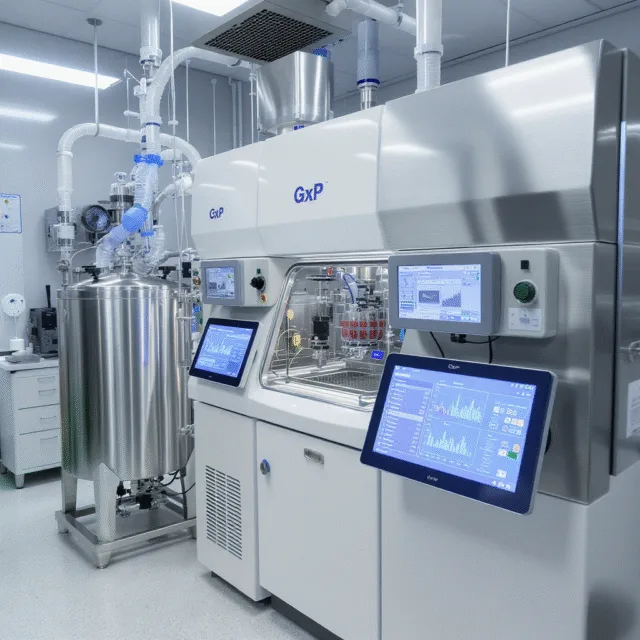 Cleanrooms are critical for maintaining high quality and safety standards across industries where contamination could significantly impact the final product. Here’s a breakdown of why cleanrooms are so essential in each of the mentioned fields:
- Pharmaceutical Manufacturing: In pharmaceutical production, contamination can lead to serious health risks, including adverse reactions, infections, or even ineffective medications. Cleanrooms ensure that drugs, vaccines, and biologics are manufactured in environments that prevent contamination from particles, microbes, and other external factors. This is crucial for patient safety, efficacy, and regulatory compliance.
- Semiconductor Production: The semiconductor industry requires cleanrooms to avoid even the most minor dust or particles, which can damage microcircuits. These tiny contaminants can lead to malfunctioning electronics, making cleanrooms essential for producing reliable, high-quality chips used in everything from smartphones to medical devices.
- Medical Device Manufacturing: Cleanrooms help ensure that medical devices often inserted into the human body or used in critical medical procedures are free from contaminants. Any contamination could lead to infections or device failure, so strict cleanliness protocols are essential in this sector.
- Aerospace and Defense: Aerospace components are highly sensitive and often operate in extreme conditions. Cleanrooms ensure that particles or contaminants don’t compromise the functionality or safety of critical parts, such as satellites, aircraft, or space equipment. The slightest contamination could lead to failures, potentially risking lives or missions.
- Food Processing: In food manufacturing, particularly for ready-to-eat products or those requiring high hygiene standards, cleanrooms help to prevent foodborne illnesses and contamination. Harmful bacteria, pathogens, or foreign particles could render food unsafe for consumption, so maintaining sterile conditions is key to food safety.
In each industry, cleanrooms are a non-negotiable part of manufacturing or development. They protect the integrity of the products, ensure compliance with health and safety regulations, and help companies avoid costly recalls or public health crises.
How to Design Cleanrooms
Designing a cleanroom requires careful planning and attention to detail to meet the strict cleanliness standards necessary for the safe production or handling of sensitive products. Below are the key principles involved in designing an effective cleanroom:
1. Classification of Cleanrooms
Cleanrooms are classified based on the level of particulate contamination they allow, as specified in industry standards like ISO 14644-1. These classifications are determined by the number and size of particles permitted per unit of air volume (particles per cubic meter).
- ISO Class 1: The cleanest, allowing fewer than 12 particles ≥0.3 microns per cubic meter.
- ISO Class 9: The least clean, allowing up to 35,200,000 particles ≥0.5 microns per cubic meter.
Each application requires a different class depending on the processes’ sensitivity. For example:
- Depending on the operation, pharmaceutical manufacturing may require ISO Class 7 or better.
- Semiconductor fabrication may need ISO Class 1 to 5 for precise and delicate operations.
2. Airflow and Ventilation
Airflow is critical in preventing contamination in a cleanroom:
- Unidirectional Airflow: Cleanrooms generally use laminar flow or unidirectional airflow, where air flows in a single direction across the work surface. This prevents the movement of contaminants through the room.
- HEPA and ULPA Filters: These high-efficiency filters trap small particles from the air. HEPA filters capture particles as small as 0.3 microns, while ULPA filters can trap particles as small as 0.12 microns, providing even greater air purity.
- Air Changes per Hour (ACH): Cleanrooms require a high number of air changes per hour to maintain a clean environment. For example, a Class 100 cleanroom might need 400 to 600 air changes per hour. High air change rates ensure contaminants are quickly filtered out.
- Pressure Differentials: Maintaining higher air pressure in the cleanroom than surrounding areas ensures that clean air flows outwards, preventing outside contaminants from entering the cleanroom.
3. Design of Space
The layout and structure of the cleanroom play a significant role in contamination control:
- Zoning: Cleanrooms are often divided into zones based on cleanliness requirements. For instance, areas like the gowning room or airlock serve as the transition spaces between clean and non-clean areas. The main workspace would be the highest cleanliness zone.
- Material Selection: The materials used for the cleanroom construction must be non-shedding, smooth, and easy to clean. Common materials include stainless steel, epoxy flooring, and smooth wall finishes. These materials prevent the buildup of dust, debris, or microbial growth.
- Size and Shape: The cleanroom should be large enough to accommodate operations but small enough to reduce the likelihood of air turbulence. The layout should minimize corners and dead spots where particles could settle.
4. Personnel Flow
The movement of people in and out of the cleanroom must be carefully controlled:
- Gowning Areas: Before entering the cleanroom, personnel must pass through gowning areas, where they put on specialized clothing, such as bunny suits, gloves, face masks, and shoe covers. This helps prevent contamination from outside clothing and skin.
- Air Showers or Chemical Decontamination: Some cleanrooms incorporate air showers or chemical decontamination stations to help remove particles from personnel before they enter the cleanroom.
- Airlocks and Transition Zones: To further prevent contamination from the outside environment, people move through airlocks or transition zones before entering the main cleanroom.
5. Monitoring and Control Systems
Continuous monitoring ensures that cleanroom standards are maintained:
- Environmental Sensors: Cleanrooms must be equipped with sensors that track particulate levels, temperature, humidity, and air pressure. These sensors provide real-time data and trigger alarms if the room falls out of compliance.
- Automated Control Systems: Many cleanrooms have automated systems to adjust airflow, temperature, and humidity based on sensor readings, ensuring the room stays within its specified parameters.
- Regular Maintenance: Scheduled cleaning and maintenance are critical to ensuring the cleanroom is compliant. This includes replacing filters, cleaning surfaces, and calibrating monitoring equipment.
6. Gowning and Hygiene
Maintaining hygiene is essential to reducing contamination from personnel:
- Personal Protective Equipment (PPE): Individuals entering the cleanroom must wear protective clothing, such as bunny suits (full-body garments), gloves, face masks, hair covers, and sometimes boot covers. These garments prevent particles from shedding from clothing or skin.
- Strict Gowning Protocols: A specific protocol must be followed to ensure that protective clothing is worn correctly and that personnel are thoroughly decontaminated before entering the cleanroom.
- Hygiene Practices: Cleanroom workers must adhere to strict hygiene standards, including hand sanitization and non-shedding clothing, to reduce the risk of environmental contamination.
Summary of Key Cleanroom Design Principles:
- Classification: Choose an appropriate cleanroom class based on the level of particle concentration required.
- Airflow and Ventilation: To maintain clean air, use unidirectional airflow, HEPA/ULPA filters, and high air changes per hour.
- Design of Space: Plan zones, choose non-shedding materials, and design layouts to reduce contamination risks.
- Personnel Flow: Control personnel movement with gowning areas, air showers, and airlocks to prevent cross-contamination.
- Monitoring Systems: Monitor particulate levels, temperature, and pressure with automated systems to ensure cleanliness.
- Gowning and Hygiene: Implement strict gowning protocols and hygiene practices to minimize contamination from personnel.
Regulatory Requirements for Cleanrooms Operation
- FDA (Food and Drug Administration):
- The FDA enforces regulations such as 21 CFR Part 210/211 for pharmaceuticals, which set requirements for current good manufacturing practices (CGMP). These include cleanroom design, operations, and procedures to ensure drugs are manufactured in a contamination-free environment.
- Cleanrooms for pharmaceuticals must comply with these regulations to ensure that drugs are safe, effective, and free from contaminants.
- ISO (International Organization for Standardization):
- The ISO 14644 series provides global standards for cleanroom classifications and performance.
- ISO 14644-1 defines the particle concentration required for various cleanroom classes.
- ISO 14644-2 outlines the requirements for monitoring the cleanliness of cleanrooms.
- ISO 14644-3 sets guidelines for testing cleanrooms.
- ISO 14644-4 addresses cleanroom design and construction requirements.
- The ISO 14644 series provides global standards for cleanroom classifications and performance.
- WHO (World Health Organization):
- The WHO provides guidelines for pharmaceutical manufacturing, particularly in developing countries. These guidelines ensure that cleanrooms meet global standards for producing safe medicinal products, aligning closely with ISO and FDA standards.
- EMA (European Medicines Agency):
- Like the FDA, the EMA enforces EU GMP (Good Manufacturing Practices), including cleanroom guidelines. EMA regulations ensure that pharmaceutical manufacturing in the EU adheres to strict standards, particularly regarding the quality of air and the cleanliness of manufacturing environments.
Conclusion
Cleanrooms are essential in industries where minor contamination could compromise product quality and safety. Designing an effective cleanroom involves creating controlled environments with the proper airflow, materials, zoning, and personnel procedures. Additionally, cleanroom operations must comply with stringent regulatory standards, including those from the FDA, ISO, WHO, and EMA, to ensure products are manufactured in the safest and cleanest conditions possible.
Contact Us
For professional support in designing, commissioning, and qualifying your cleanroom facility—from design to go-live—reach out to GxP Cellators Consultants at: Email:
Our team will guide you through the process, ensuring your cleanroom meets all regulatory and operational standards for optimal performance and compliance.

