
Building Monitoring Systems (BMS)
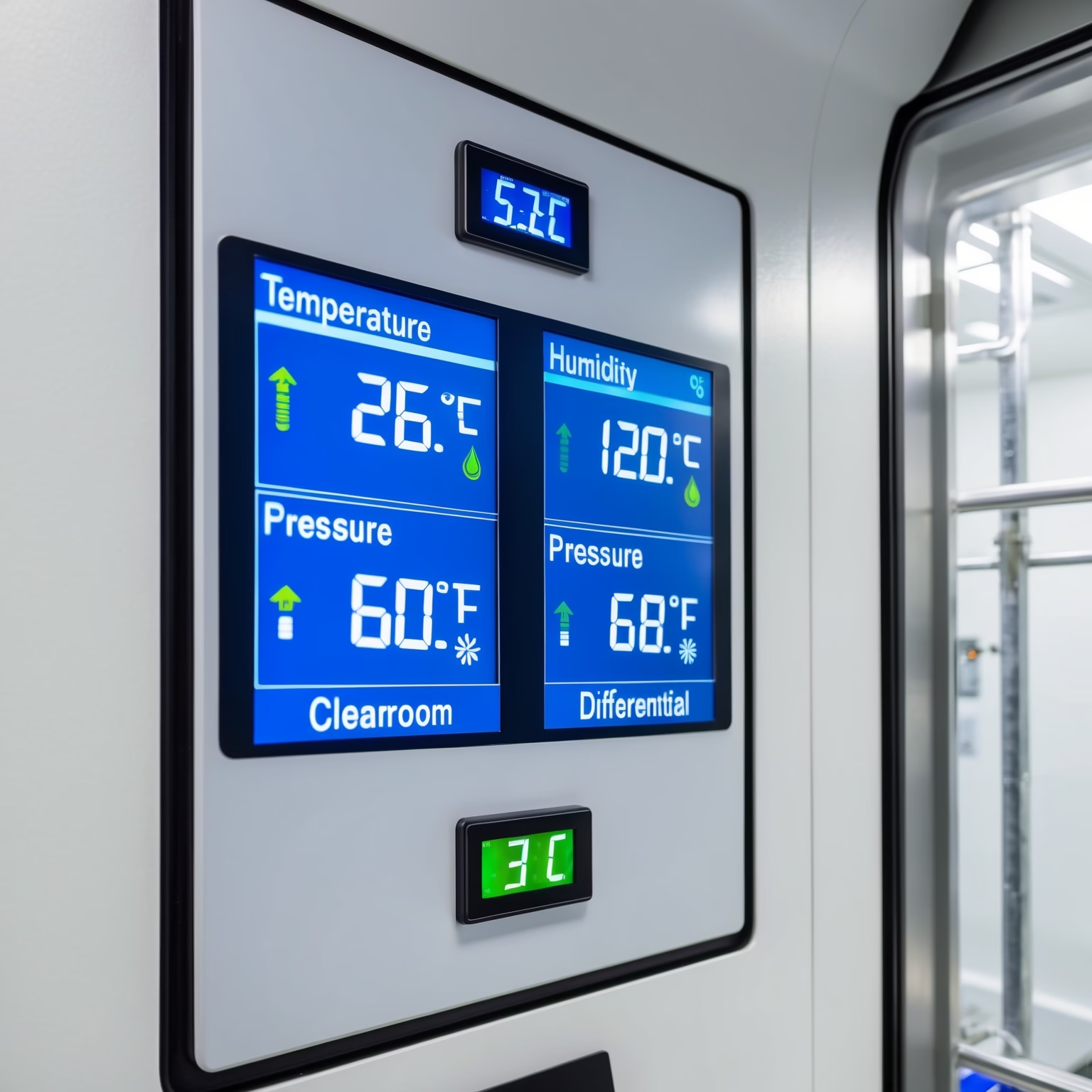
A Building Monitoring Systems (BMS) is an automated control system that monitors and manages a facility’s mechanical, electrical, and electromechanical services. Its primary purpose is to ensure optimal performance, enhance energy efficiency, and maintain compliance with operational requirements. A BMS is crucial for maintaining facility integrity and meeting strict regulatory standards in industries such as […]
CMC Safety and Efficacy in Gene and Cell Therapies

CMC Safety and Efficacy in Gene and Cell Therapies Chemistry, Manufacturing, and Controls (CMC) play a pivotal role in the development and commercialization of gene and cell therapies. Here’s a more detailed breakdown of why CMC is crucial: Product Safety and Efficacy: Safety: CMC ensures that the gene or cell therapy is free from contaminants, […]
A Comprehensive Look at the Technologies Behind Effective Environmental Monitoring
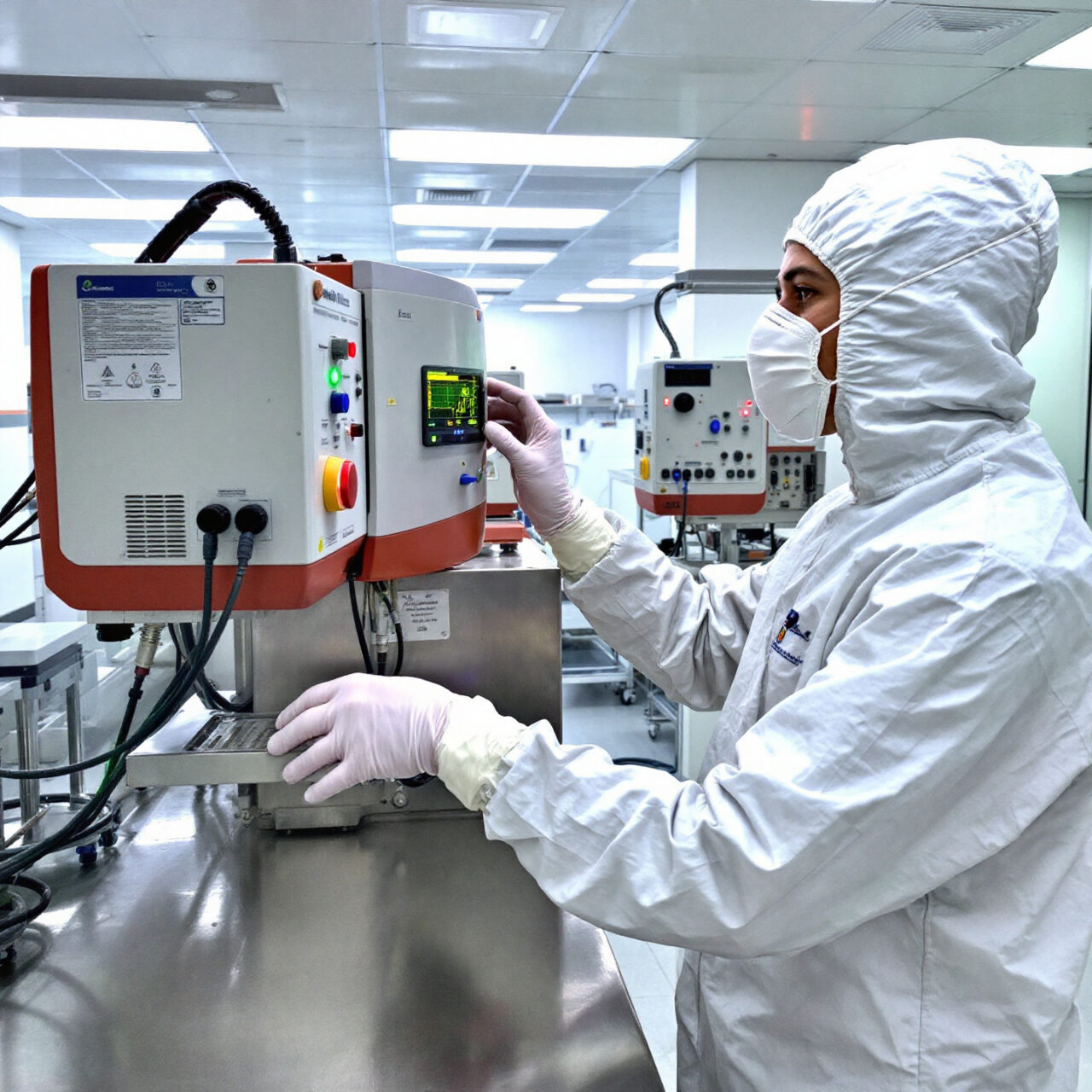
What is Environmental Monitoring? Environmental monitoring (EM) is a critical practice in controlled environments, commonly called cleanrooms. Cleanrooms are essential in pharmaceuticals, biotechnology, and medical device manufacturing, where ensuring product safety and quality is vital. These environments are designed to minimize contaminants like airborne particles, microbes, and chemical pollutants, thereby maintaining the integrity of sensitive […]
From Theory to Practice: The Essential Tests in Cleanroom Performance Qualification

What are Cleanrooms? Cleanrooms are controlled environments that maintain low levels of pollutants such as dust, airborne microbes, and chemical vapours. They are essential in pharmaceuticals, biotechnology, and semiconductor manufacturing industries, where even tiny contaminants can adversely affect product quality. Why Cleanroom Performance Qualification is Required Performance qualification (PQ) ensures that a cleanroom meets predefined […]
Navigating FDA and EUGMP Requirements for Contamination Control: A Comprehensive Guide

Contamination Control Strategy (CCS) Definition: A Contamination Control Strategy (CCS) is a structured approach designed to minimize the risk of contamination in sterile manufacturing environments, ensuring product safety, quality, and compliance with regulatory standards. Importance of Contamination Control Strategy for Sterile Manufacturers Patient Safety: Protects patients from harmful contaminants in sterile products. Regulatory Compliance: Ensures […]
Navigating Regulatory Requirements: A Guide to Equipment Qualification

Equipment Qualification in the Life Sciences Industry Definition: Equipment qualification (EQ) is a process to ensure that equipment used in the life sciences sector operates correctly and consistently produces valid results. This is critical for maintaining product quality, safety, and regulatory compliance. Equipment qualification is a critical process in the life sciences industry (pharmaceuticals, biotechnology, […]
Regulatory Insights: Navigating Clean Utility Qualification Requirements
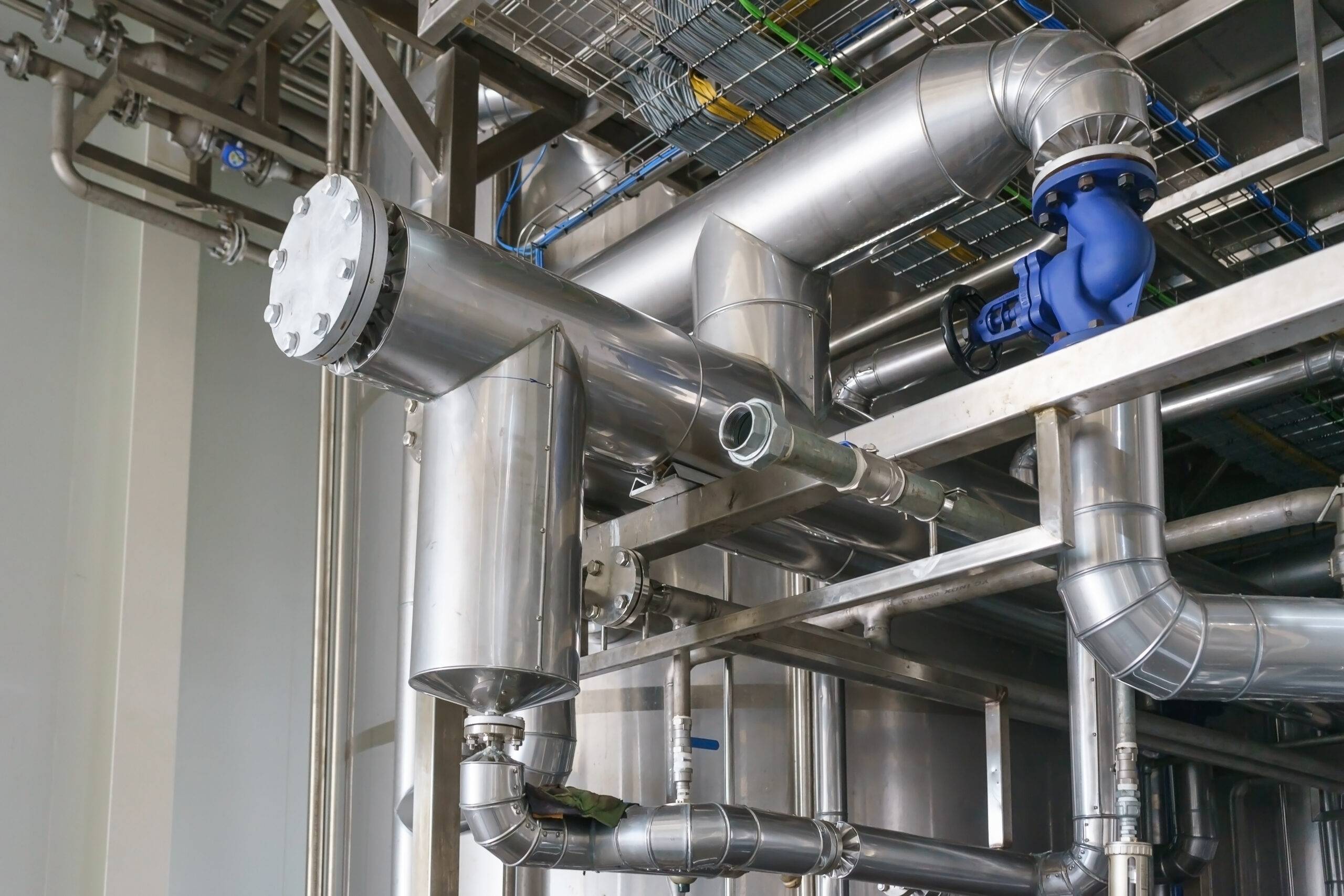
Clean Utilities Overview for GMP Manufacturing Sites Clean utilities in GMP manufacturing are critical services required to support production processes, particularly in sterile and parenteral product manufacturing. These utilities must meet stringent quality standards to avoid contamination risks. Clean utilities include systems like Purified Water (PW), Water for Injection (WFI), Clean Steam, Compressed Air, Nitrogen, […]
Autoclave Validations: Regulatory Requirements, Autoclave Requirements and Usage, Step-by-Step Installation Guide
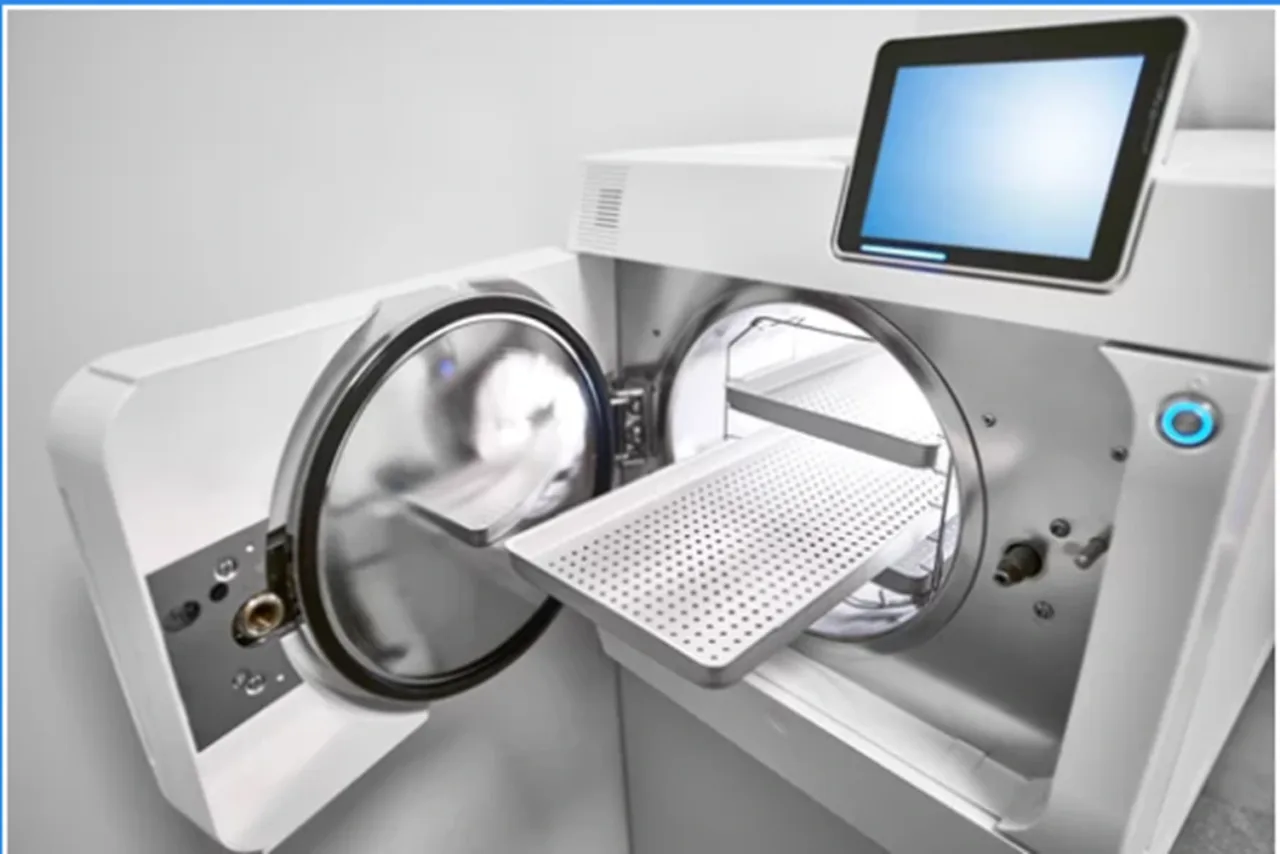
Autoclave Validations Autoclave validation ensures that sterilization processes in pharmaceutical, life sciences, and other regulated industries comply with regulatory requirements. Below, I will cover the regulatory requirements and uses of autoclaves and provide a step-by-step guide for installation and validation. Regulatory Requirements for Autoclave Validation Autoclaves, used for sterilization by moist heat, must comply with […]
Navigating USFDA Part 600: A Step-by-Step Guide for Facilities Requirements

A Step-by-Step Guide for Facilities Requirements USFDA 21 CFR Part 600 is a regulation that outlines the standards and requirements for biologics, including their production, testing, and distribution. This part of the Code of Federal Regulations (CFR) ensures that biologics are safe, effective, and high-quality. It covers a wide range of aspects, including the responsibilities […]
Biological Intermediates: The Regulatory Expectations

Biologics intermediates are life-saving products that can vastly improve patients’ quality of life. As such, regulatory agencies must ensure their quality, safety, and efficacy. The approval process for such products is rigorous and varies depending on the region and the regulatory agency. As a result, it is crucial to consider the regulatory expectations that govern […]

