
Cleaning Methodology and Validation Best Practices Document
Cleaning Methodology and Validation Best Practices This blog outlines essential validation requirements for cleaning procedures in GMP-regulated pharmaceutical facilities, following EU GMP Annex 15 and FDA 21 CFR Part 211. It provides a framework for the cleaning validation lifecycle, from process design through qualification to routine monitoring. Key considerations include equipment surface compatibility, cleaning agent […]
Construction Plan: How Construction Planning Drives Sustainability in Biologics Manufacturing

Construction Plan for a Biologics Manufacturing Facility A construction plan is a blueprint for a facility’s physical build and systems integration. It ensures the project is executed efficiently, stays within budget, and complies with necessary regulations. This plan is crucial for biologics manufacturing facilities because it ensures that the facility meets the stringent standards for […]
CMC Safety and Efficacy in Gene and Cell Therapies
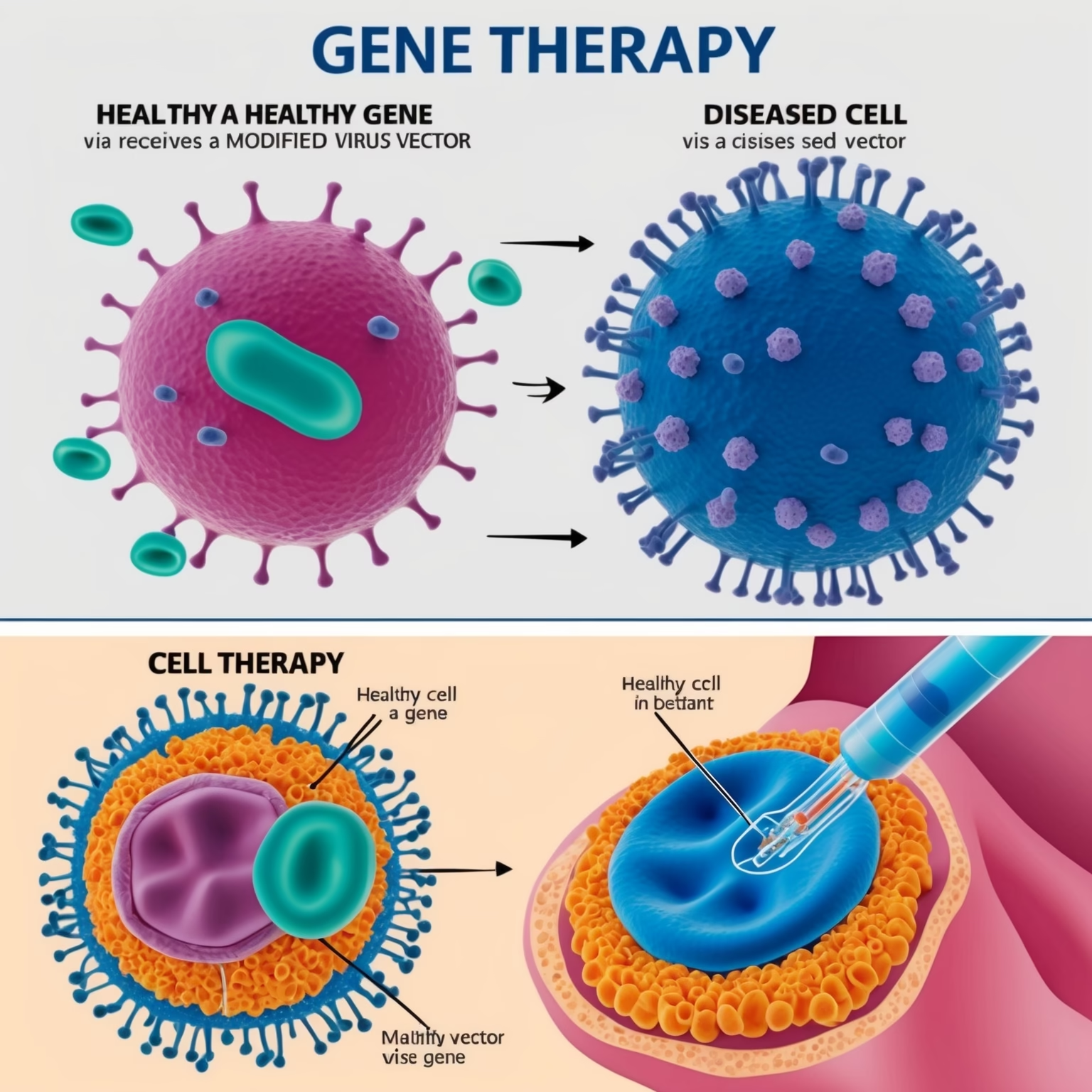
CMC Safety and Efficacy in Gene and Cell Therapies Chemistry, Manufacturing, and Controls (CMC) play a pivotal role in the development and commercialization of gene and cell therapies. Here’s a more detailed breakdown of why CMC is crucial: Product Safety and Efficacy: Safety: CMC ensures that the gene or cell therapy is free from contaminants, […]
Vaccines Manufacturing: Understanding the Stringent Standards of Vaccine Production for Global Safety
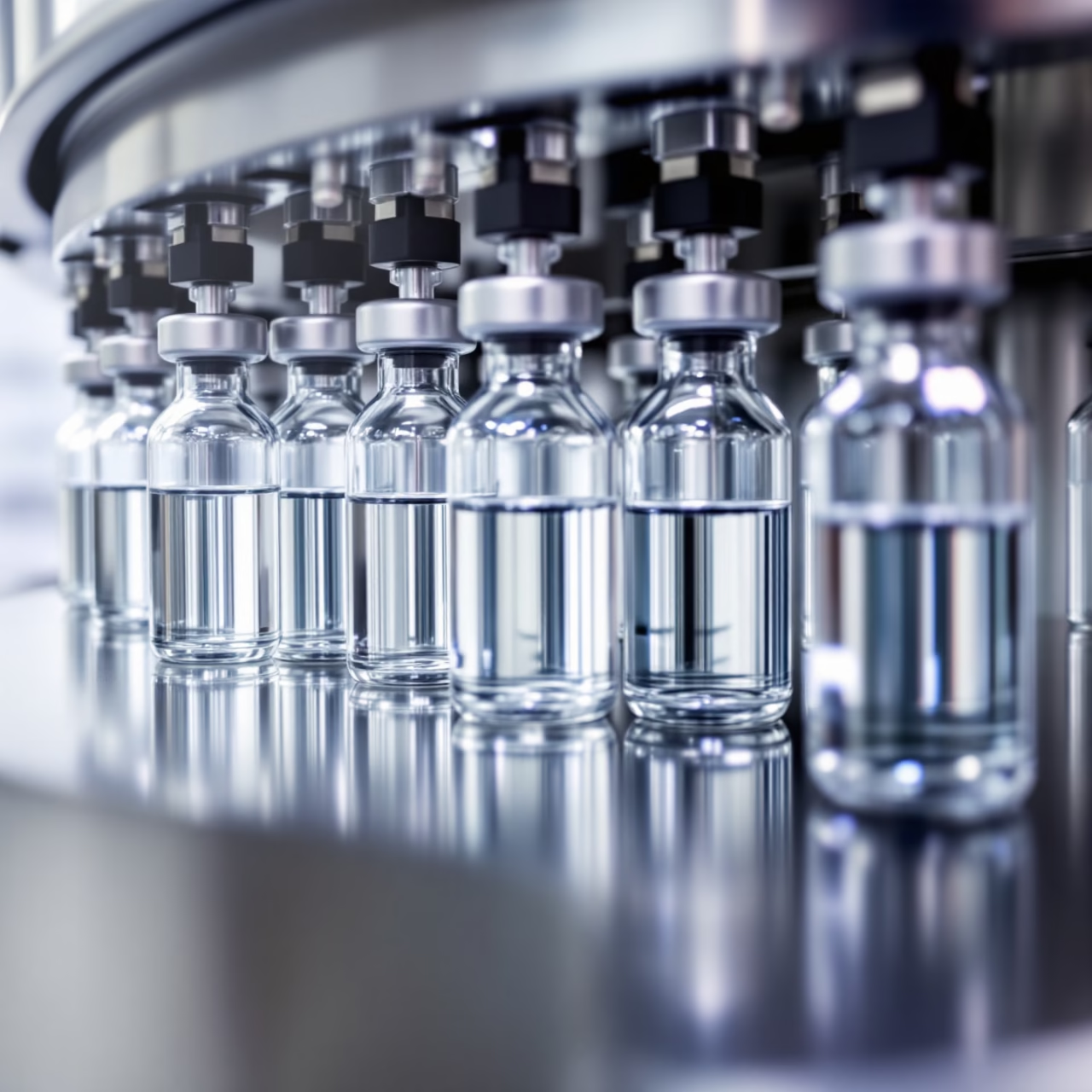
What are Vaccines? Vaccines are biological products designed to protect individuals from infectious diseases by stimulating the immune system to recognize and fight pathogens such as bacteria, viruses, or toxins. They are typically administered through injections, but some are delivered orally or nasally. How Vaccines Work Mimic Infection: Vaccines introduce a harmless component of a […]
CSV I ISO Setup I Data Security I IT Setup : How ISO Standards Can Transform Your Data Security into a Competitive Advantage
Ensuring Compliance and Efficiency with ISO Standards in GxP Environments In regulated industries such as pharmaceuticals, biotechnology, and medical devices, Good Practice (GxP) guidelines set strict requirements for maintaining product quality, data integrity, and patient safety. IT systems (CSV I ISO Setup I Data Security I IT Setup I) play a crucial role in GxP […]
A Comprehensive Look at the Technologies Behind Effective Environmental Monitoring
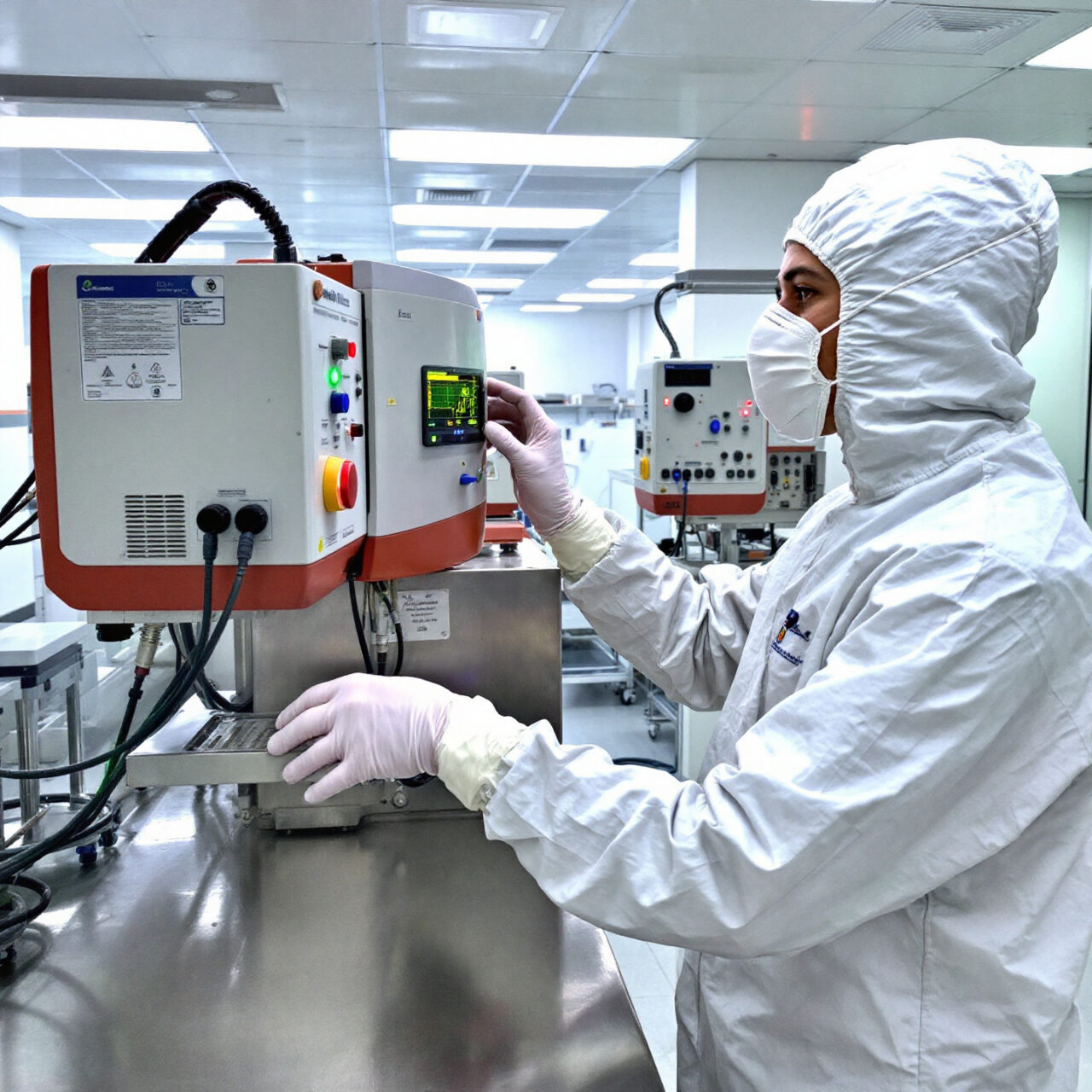
What is Environmental Monitoring? Environmental monitoring (EM) is a critical practice in controlled environments, commonly called cleanrooms. Cleanrooms are essential in pharmaceuticals, biotechnology, and medical device manufacturing, where ensuring product safety and quality is vital. These environments are designed to minimize contaminants like airborne particles, microbes, and chemical pollutants, thereby maintaining the integrity of sensitive […]
The difference between commissioning, qualification, and validation
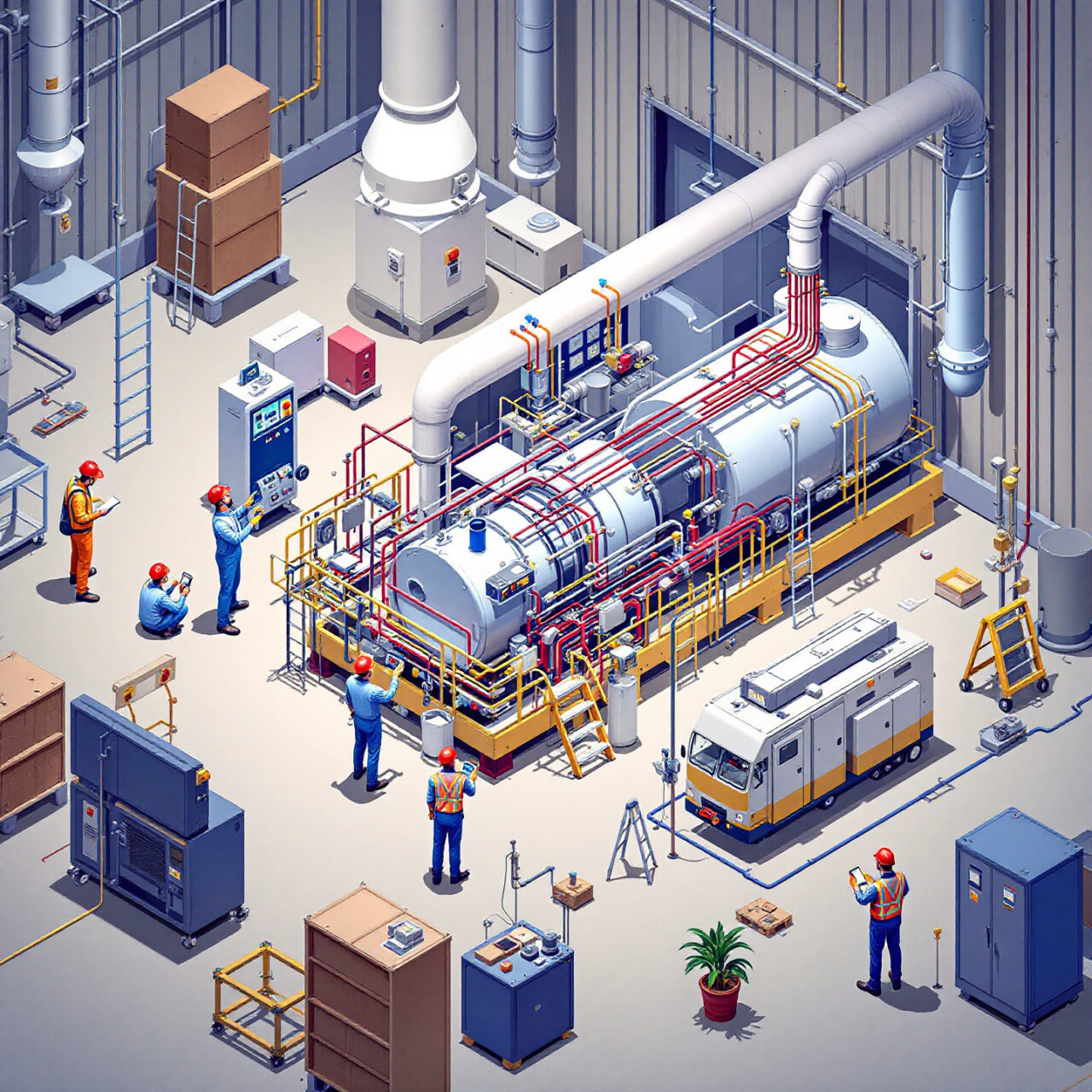
The difference between commissioning, qualification, and validation In the context of GMP (Good Manufacturing Practice) environments such as pharmaceuticals, biotechnology, and life sciences industries, commissioning, qualification, and validation are critical to ensure that equipment, systems, and processes meet predefined standards for quality and performance. Here’s an overview of each: Commissioning Commissioning ensures systems are designed, […]
Smoke Study-Enhancing Cleanroom Compliance: A Step-by-Step Guide to Smoke Study Best Practices
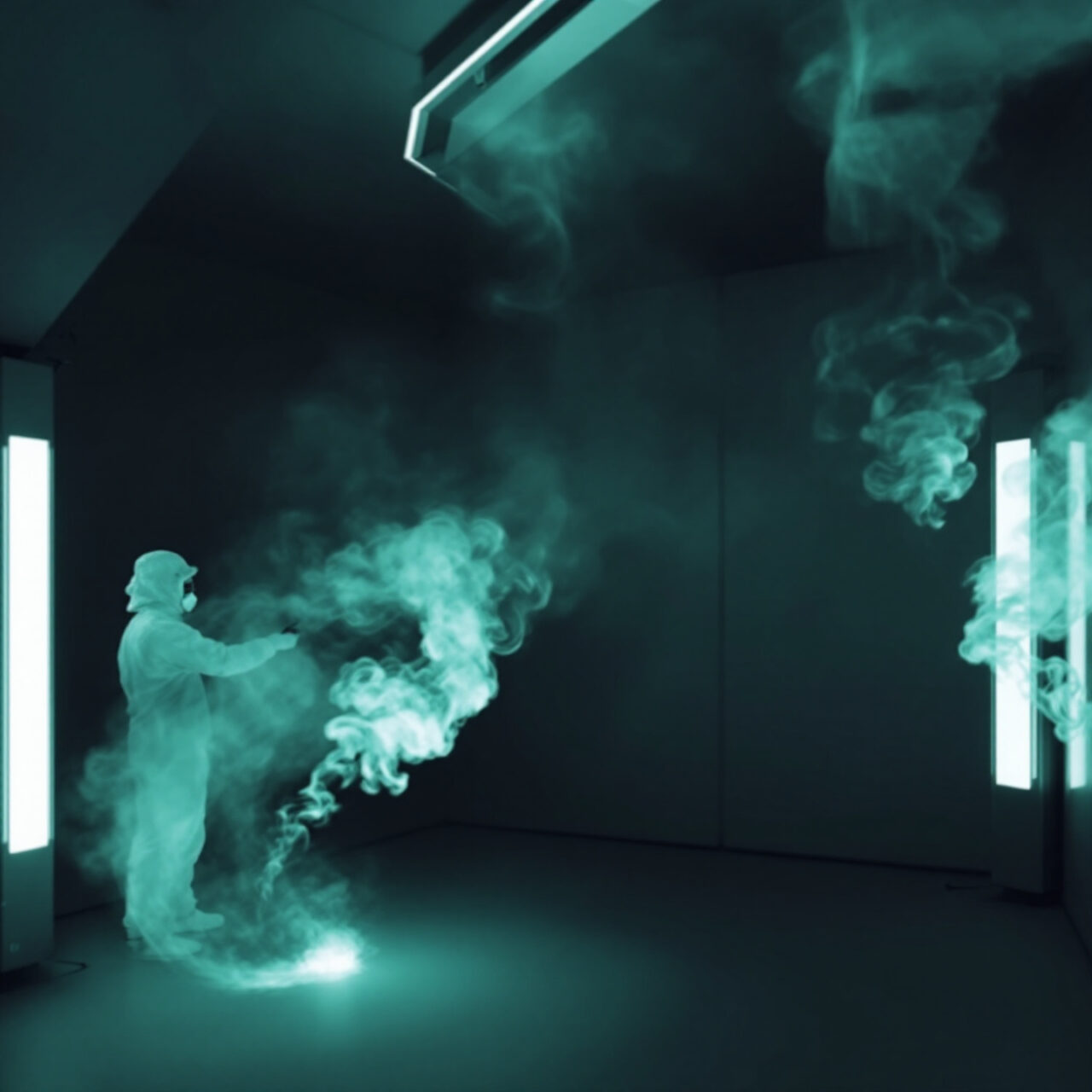
Smoke Study-Enhancing Cleanroom Compliance Cleanroom smoke studies are critical to evaluate cleanrooms’ airflow patterns and containment capabilities, particularly in pharmaceutical and biotechnology manufacturing environments. These studies involve introducing harmless smoke or vapour into the cleanroom to visualize airflow, identify turbulence, and assess the effectiveness of ventilation systems. Regulatory authorities like the FDA, EU-GMP, and others […]
From Theory to Practice: The Essential Tests in Cleanroom Performance Qualification
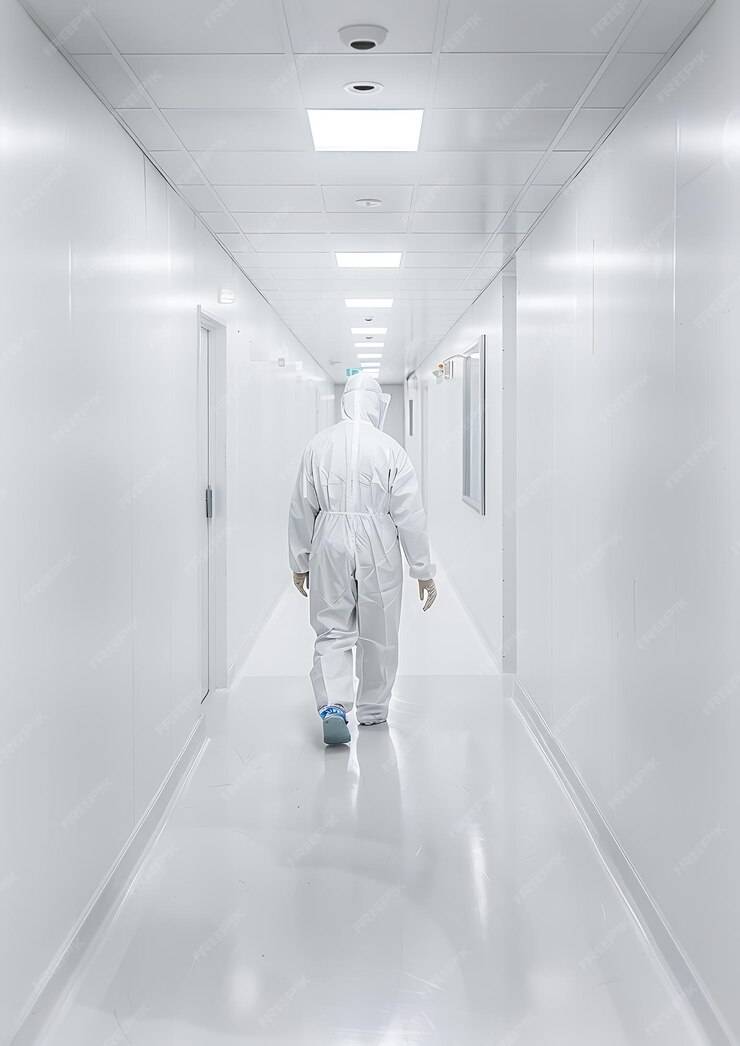
What are Cleanrooms? Cleanrooms are controlled environments that maintain low levels of pollutants such as dust, airborne microbes, and chemical vapours. They are essential in pharmaceuticals, biotechnology, and semiconductor manufacturing industries, where even tiny contaminants can adversely affect product quality. Why Cleanroom Performance Qualification is Required Performance qualification (PQ) ensures that a cleanroom meets predefined […]
Navigating FDA and EUGMP Requirements for Contamination Control: A Comprehensive Guide

Contamination Control Strategy (CCS) Definition: A Contamination Control Strategy (CCS) is a structured approach designed to minimize the risk of contamination in sterile manufacturing environments, ensuring product safety, quality, and compliance with regulatory standards. Importance of Contamination Control Strategy for Sterile Manufacturers Patient Safety: Protects patients from harmful contaminants in sterile products. Regulatory Compliance: Ensures […]

