
A Comprehensive Look at the Technologies Behind Effective Environmental Monitoring
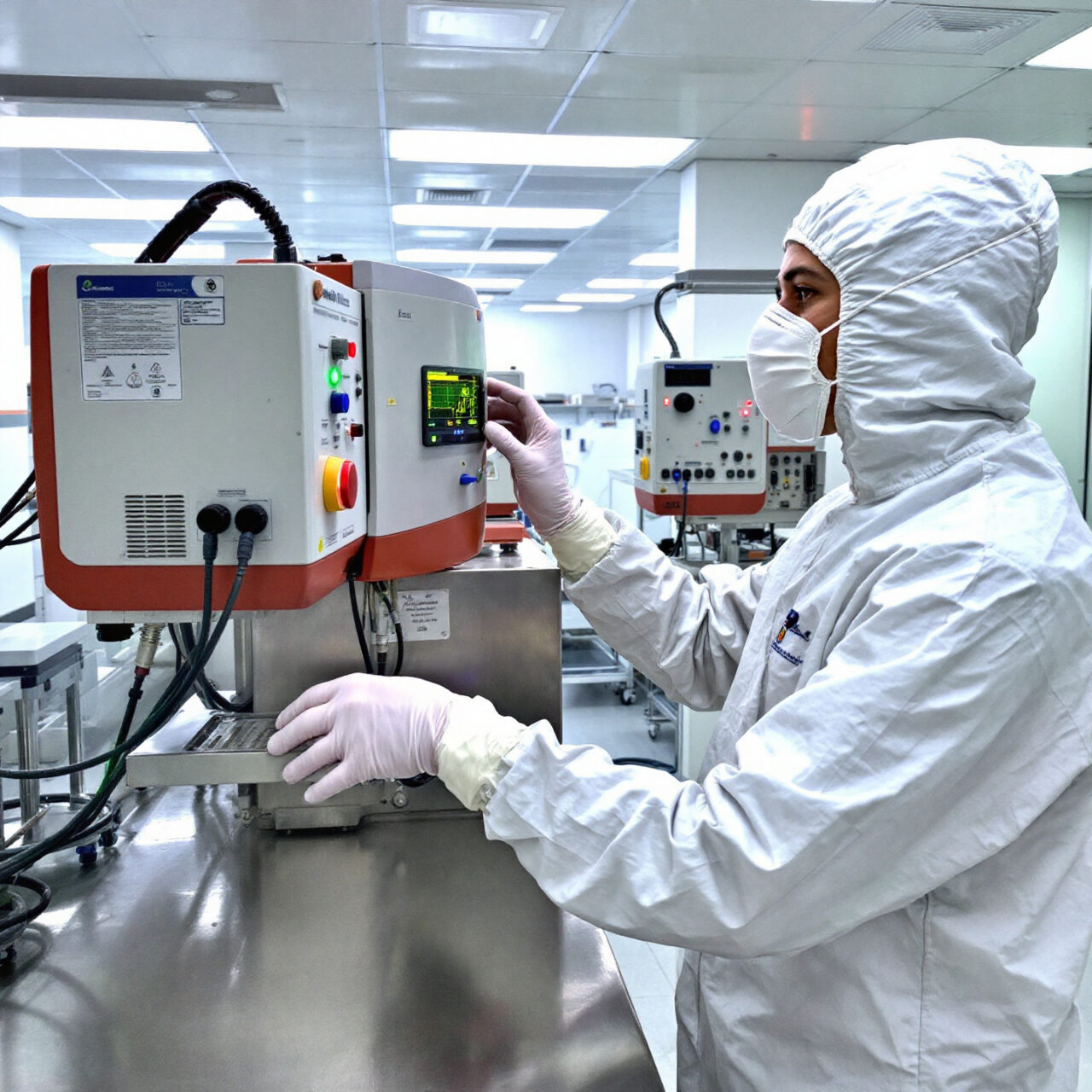
What is Environmental Monitoring? Environmental monitoring (EM) is a critical practice in controlled environments, commonly called cleanrooms. Cleanrooms are essential in pharmaceuticals, biotechnology, and medical device manufacturing, where ensuring product safety and quality is vital. These environments are designed to minimize contaminants like airborne particles, microbes, and chemical pollutants, thereby maintaining the integrity of sensitive […]
The difference between commissioning, qualification, and validation
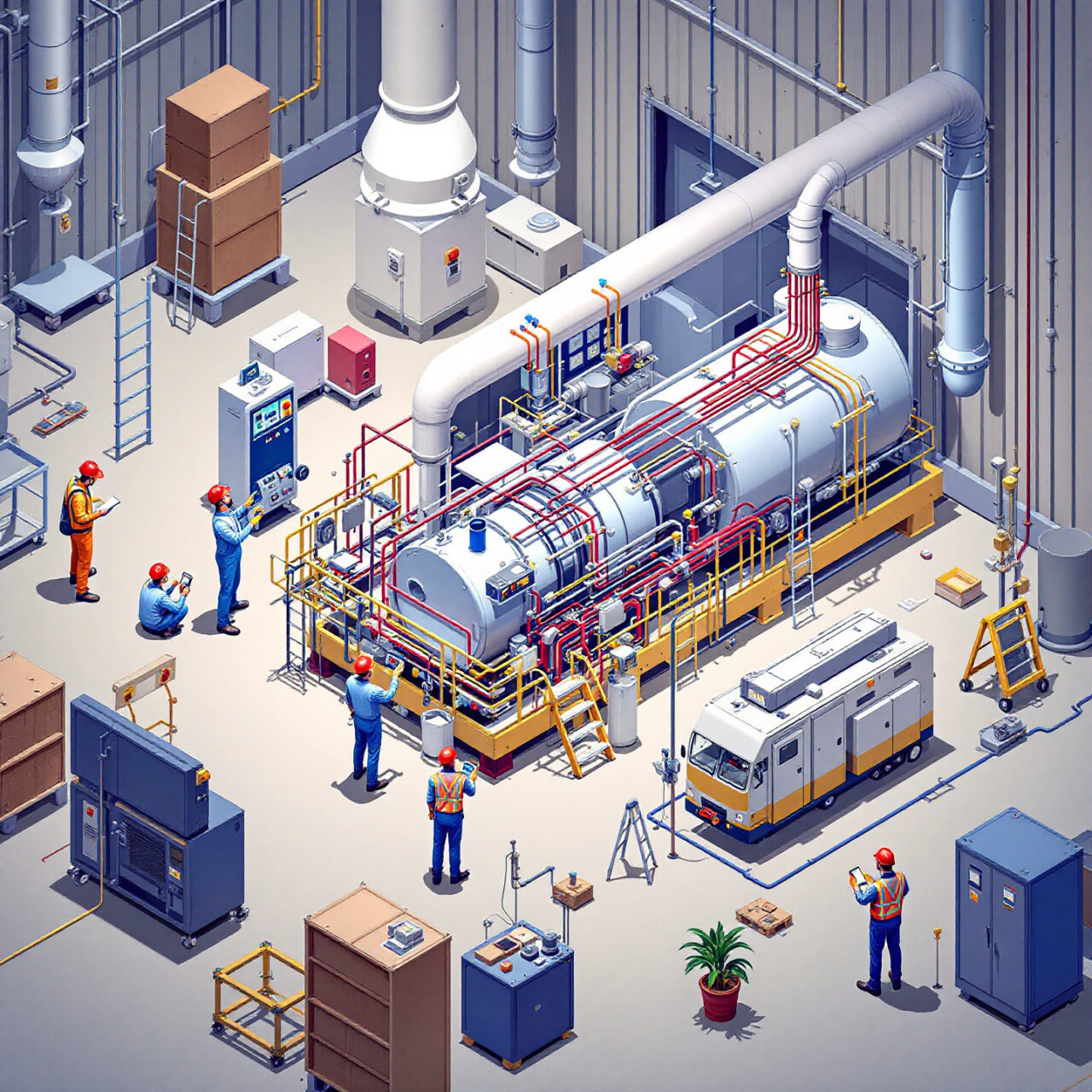
The difference between commissioning, qualification, and validation In the context of GMP (Good Manufacturing Practice) environments such as pharmaceuticals, biotechnology, and life sciences industries, commissioning, qualification, and validation are critical to ensure that equipment, systems, and processes meet predefined standards for quality and performance. Here’s an overview of each: Commissioning Commissioning ensures systems are designed, […]
Smoke Study-Enhancing Cleanroom Compliance: A Step-by-Step Guide to Smoke Study Best Practices
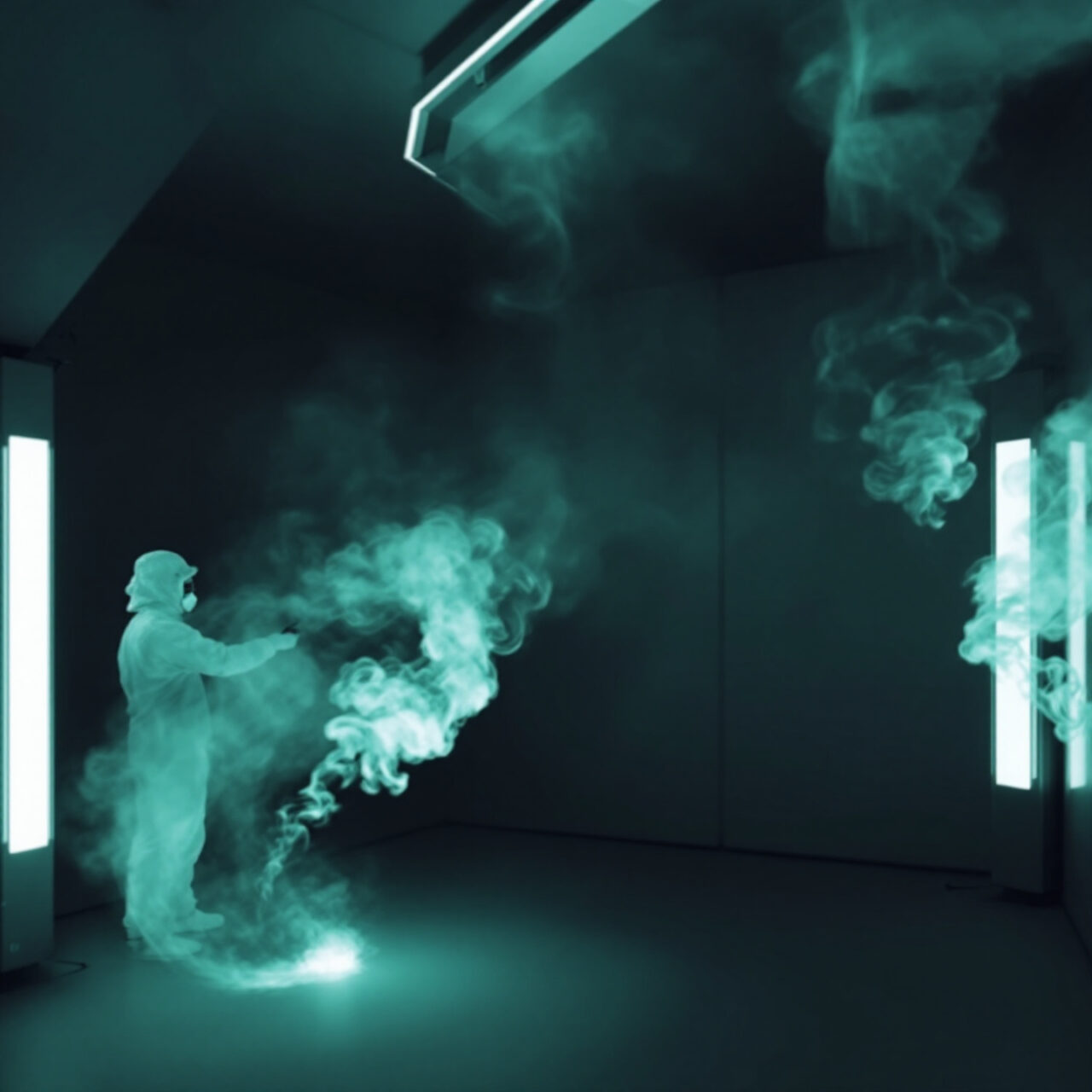
Smoke Study-Enhancing Cleanroom Compliance Cleanroom smoke studies are critical to evaluate cleanrooms’ airflow patterns and containment capabilities, particularly in pharmaceutical and biotechnology manufacturing environments. These studies involve introducing harmless smoke or vapour into the cleanroom to visualize airflow, identify turbulence, and assess the effectiveness of ventilation systems. Regulatory authorities like the FDA, EU-GMP, and others […]
From Theory to Practice: The Essential Tests in Cleanroom Performance Qualification
What are Cleanrooms? Cleanrooms are controlled environments that maintain low levels of pollutants such as dust, airborne microbes, and chemical vapours. They are essential in pharmaceuticals, biotechnology, and semiconductor manufacturing industries, where even tiny contaminants can adversely affect product quality. Why Cleanroom Performance Qualification is Required Performance qualification (PQ) ensures that a cleanroom meets predefined […]
The Journey to Compliance: Navigating Regulatory Requirements for Depyrogenating Tunnels
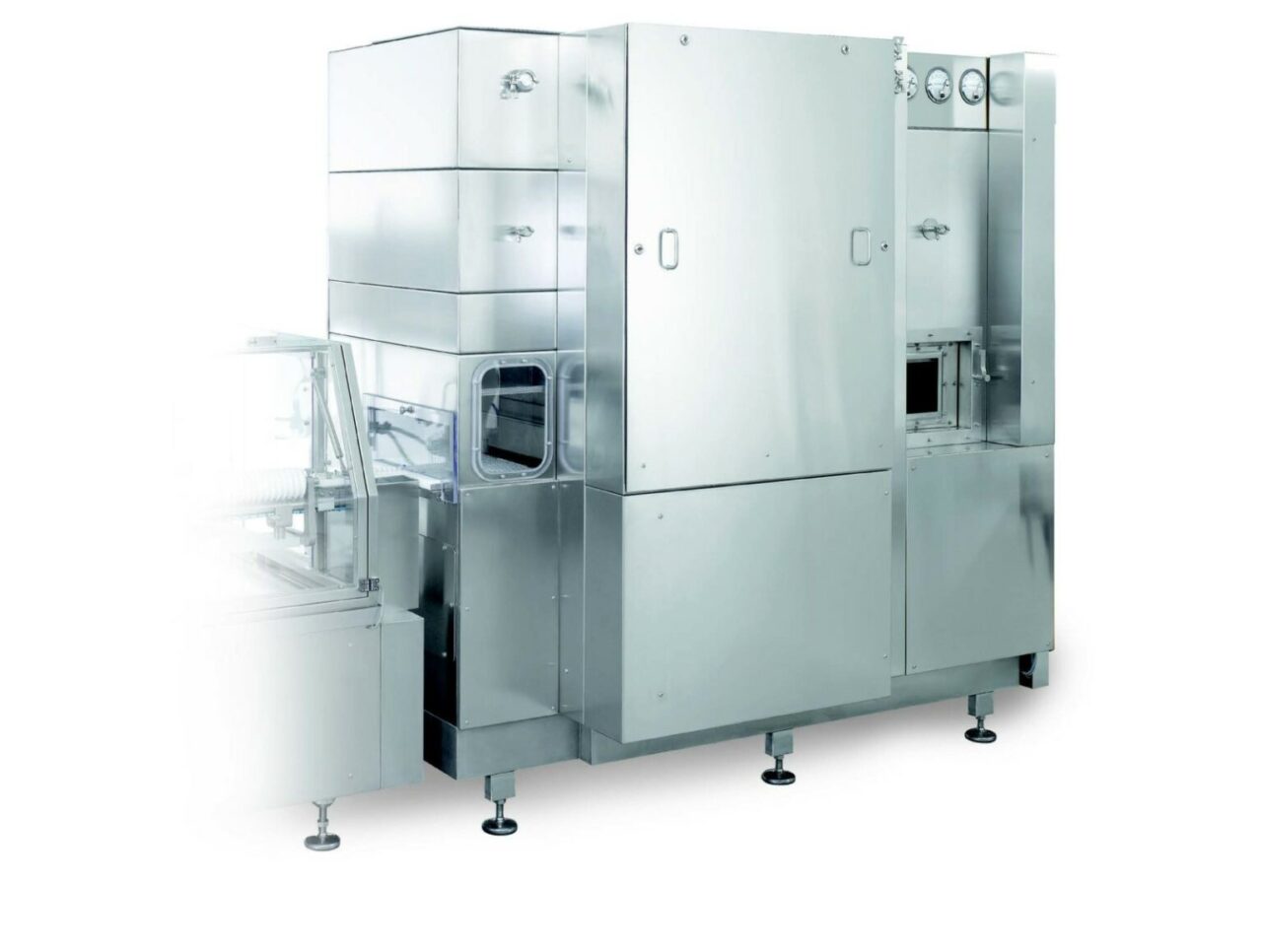
What is a Depyrogenating Tunnel? A depyrogenating tunnel is a specialized piece of equipment used in the pharmaceutical and biotechnology industries to eliminate pyrogens, primarily endotoxins, from containers such as glass vials and syringes. This equipment is crucial for ensuring the safety of injectable products by preventing the introduction of fever-inducing substances into the body. […]
Navigating FDA and EUGMP Requirements for Contamination Control: A Comprehensive Guide

Contamination Control Strategy (CCS) Definition: A Contamination Control Strategy (CCS) is a structured approach designed to minimize the risk of contamination in sterile manufacturing environments, ensuring product safety, quality, and compliance with regulatory standards. Importance of Contamination Control Strategy for Sterile Manufacturers Patient Safety: Protects patients from harmful contaminants in sterile products. Regulatory Compliance: Ensures […]
Regulatory Insights: Navigating Clean Utility Qualification Requirements
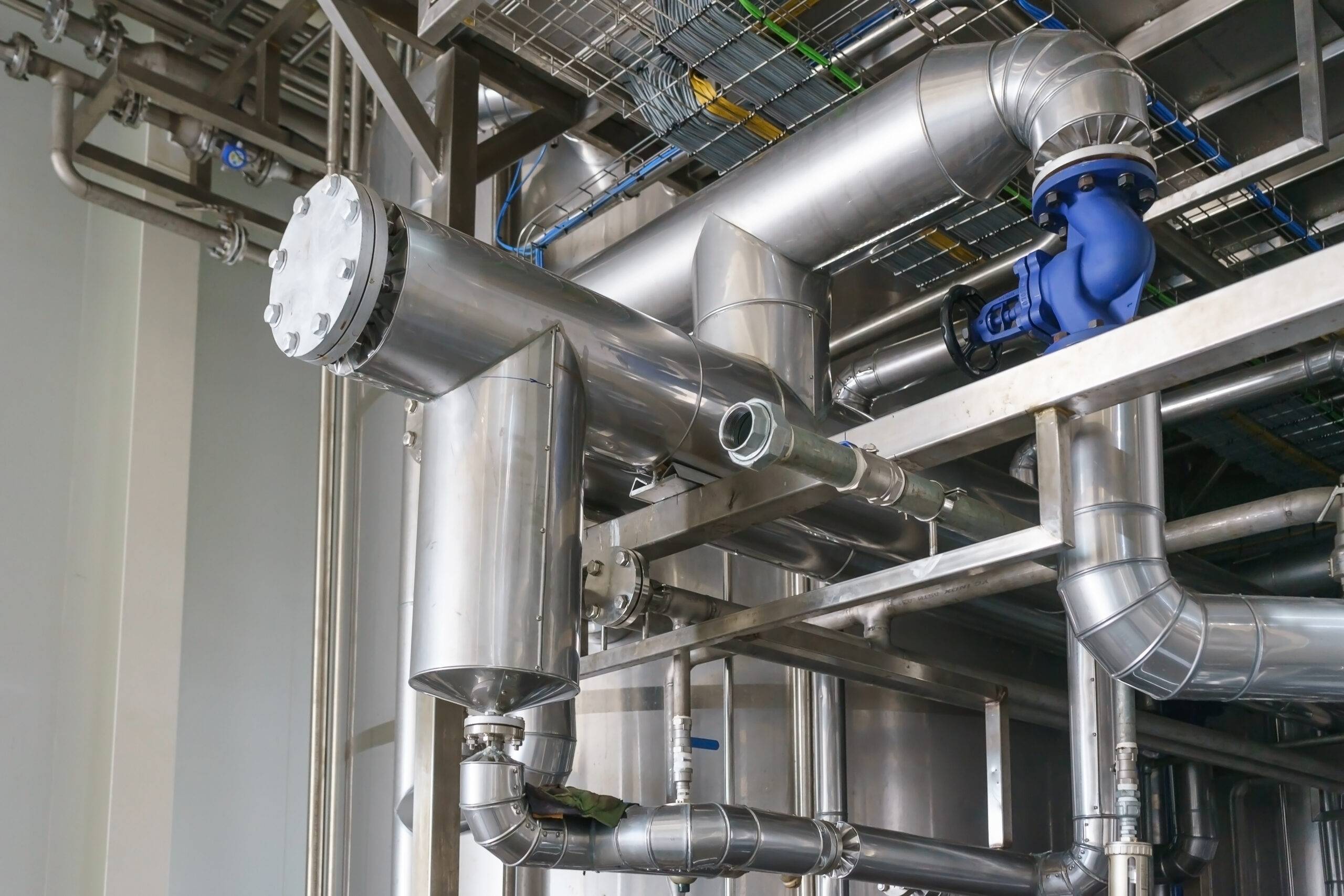
Clean Utilities Overview for GMP Manufacturing Sites Clean utilities in GMP manufacturing are critical services required to support production processes, particularly in sterile and parenteral product manufacturing. These utilities must meet stringent quality standards to avoid contamination risks. Clean utilities include systems like Purified Water (PW), Water for Injection (WFI), Clean Steam, Compressed Air, Nitrogen, […]
Mastering Thermal Validation: A Comprehensive Guide for the Life Sciences Industry
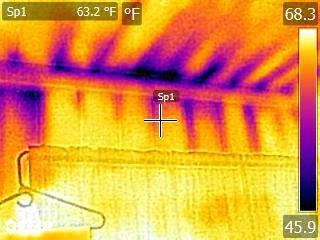
What is Thermal Validation? Thermal validation ensures that temperature-controlled environments meet specified product safety, efficacy, and quality requirements. It involves measuring and documenting the thermal performance of storage and transport equipment, ensuring consistent temperature conditions. Working Principles of Thermal Validation Temperature Monitoring: Continuous or periodic measurement of temperatures within a specified environment using calibrated sensors. […]
Navigating Regulatory Requirements: A Comprehensive Guide to HVAC Qualification in Life Sciences
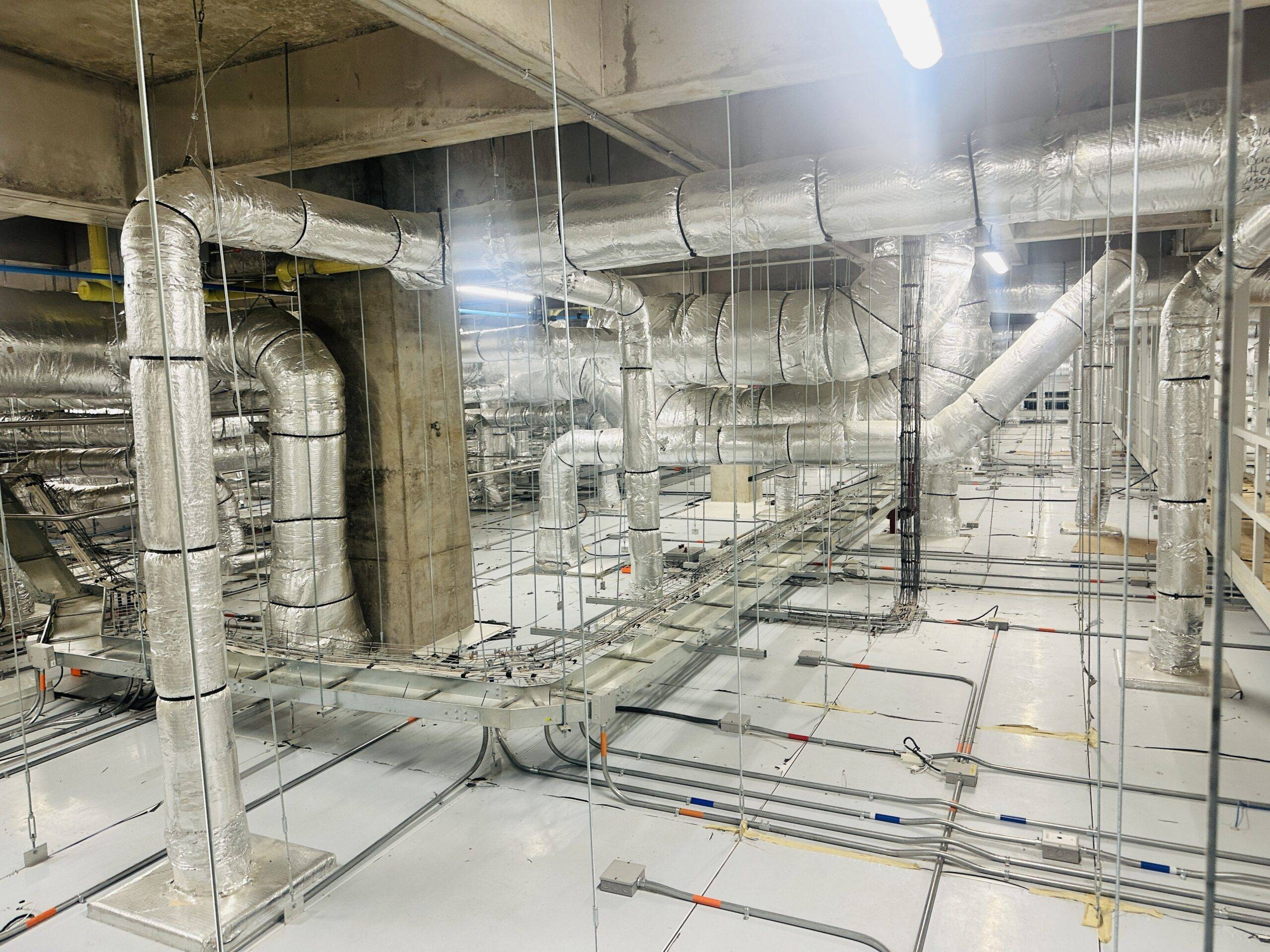
What is HVAC? HVAC stands for Heating, Ventilation, and Air Conditioning. It refers to the technologies and systems used to regulate indoor environmental conditions, ensuring comfort, air quality, and safety in buildings. Working Principles of HVAC Heating: Method: Utilizes furnaces, boilers, or heat pumps to raise indoor air temperature. Mechanism: Furnaces: Burn fuel (gas, oil) […]
The commissioning process for Heating, Ventilation, and Air Conditioning (HVAC) systems

The commissioning process for Heating, Ventilation, and Air Conditioning (HVAC) systems involves a series of steps to ensure that the systems are designed, installed, and operated efficiently and in compliance with regulatory requirements. Different regulatory agencies may have specific requirements, varying by region and country. Below are some general steps in the HVAC commissioning process, […]

