
Building Monitoring Systems: Benefits, Regulatory Requirements, and Validation Strategies

Building monitoring systems (BMS) are essential tools for managing and optimizing the performance of building infrastructure. They offer numerous benefits and help ensure compliance with regulatory requirements. Here is a detailed overview of the benefits and the regulatory requirements associated with building monitoring systems: Benefits of Building Monitoring Systems Energy Efficiency and Cost Savings: Energy […]
CQV: The Art of Balancing Efficiency and Safety in a New Facility

Commissioning, Qualification, and Validation (CQV) are essential steps in the lifecycle of a new facility, ensuring that it operates safely and efficiently according to predefined standards and regulatory requirements. Here are the key steps involved: Planning Phase: Define the scope of the project. Establish project goals and objectives. Develop a CQV master plan outlining the […]
Master Calibration Schedules: The Key to Consistency in Drug Manufacturing

Maintaining precise and accurate measurements is critical to ensuring pharmaceutical products’ safety, efficacy, and quality in the pharmaceutical industry. The master calibration schedule is crucial in achieving this goal by providing a comprehensive plan for calibrating instruments and equipment used in the manufacturing, testing, and quality control processes. Here are the significance and regulatory requirements […]
Understanding the Details of Process Simulation for Regulatory Compliance

Process simulation, also referred to as media fill, is an essential component of pharmaceutical manufacturing that assesses a facility’s aseptic processing capability. Regulatory bodies such as the United States Food and Drug Administration (FDA) and the European Medicines Agency (EMA) have established specific guidelines and requirements for conducting media fills to ensure that pharmaceutical products […]
Why Validation is Key to Safe and Effective Pharmaceutical Site Layouts

Validating pharmaceutical site layouts is crucial to ensure compliance with regulatory requirements, adherence to industry standards, and a user-friendly and efficient environment. Here are some key aspects to consider when validating pharmaceutical site layouts: Regulatory Compliance: Ensure the site layout complies with local and international regulatory requirements, such as Good Manufacturing Practice (GMP), Good Distribution […]
The Evolution of Life-Sciences Site Commissioning and Validation: Past, Present, and Future

The commissioning and validation of life sciences sites have evolved significantly over the years due to technological advancements, regulatory requirements, and industry best practices. This article provides an overview of the past, present, and potential future trends in life sciences site commissioning and validation. During the 1970s and 1980s, the US FDA introduced regulations to […]
The Art of Crafting a Comprehensive Validation Plan for Life Sciences Site Utilities
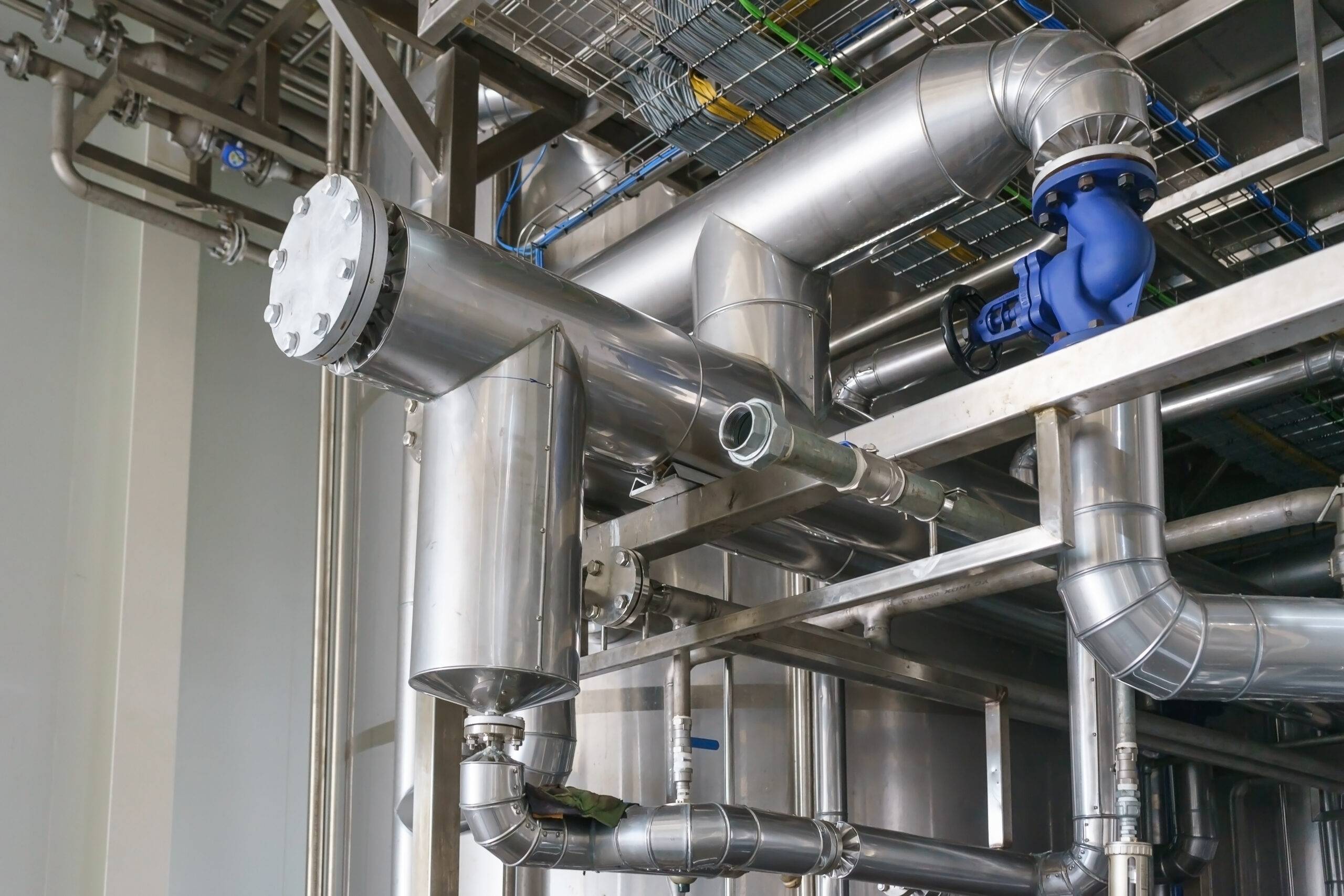
A comprehensive life sciences site utilities validation plan requires careful planning and execution. It is essential to ensure that all site utilities, including water, HVAC, and electrical, are properly validated to ensure their safety, reliability, and effectiveness. The first step in creating a validation plan is identifying the project’s scope and determining the critical systems […]
Computerized systems: Designing a well-structured privileges matrix for computerized systems

Designing a privileges matrix for computerized systems is a critical process that involves defining and assigning access rights to different users or groups within the system. The primary objective of this process is to ensure that users possess the required permissions to perform their tasks while simultaneously preventing unauthorized access to sensitive information. Therefore, it […]
Data Integrity in the Life Sciences Industry “Components and the Regulatory Expectations”

Data integrity is essential to ensuring data accuracy, reliability, and consistency across various fields, including the life sciences industry. Regulatory bodies, including the FDA, emphasize data integrity in developing, manufacturing, and distributing pharmaceutical products. It is crucial to ensure that data remains complete, consistent, accurate, and secure throughout its lifecycle, particularly in the pharmaceutical industry. […]
Cleanroom behaviors

Cleanroom behaviors refer to the practices and protocols followed in environments where cleanliness and contamination control are critical, such as in cleanrooms used in industries like pharmaceuticals, electronics manufacturing, biotechnology, and aerospace. Cleanrooms are designed to maintain low levels of particulate and microbial contamination to ensure the quality and reliability of products or processes. Here […]

