
Sterile Medicinal Products
Sterile medicinal products are essential in modern healthcare as they are designed to be free from harmful microorganisms or contaminants, ensuring patient safety. These products are specifically formulated for use in environments that require a high level of cleanliness, such as within sterile body tissues, and their purpose is typically to be administered by injection, infusion, or as eye drops.
Here are some key points regarding sterile medicinal products:
- Sterility Assurance: These products must undergo rigorous processes to guarantee they are free from bacteria, fungi, viruses, and other microorganisms. Methods like filtration, heat sterilization, or aseptic techniques are commonly employed to achieve sterility.
- Manufacturing and Packaging: Sterile medicinal products are produced in highly controlled environments known as clean rooms, where contamination is minimized. Packaging is also designed to maintain sterility until the product is used, often in hermetically sealed containers or vials.
- Sterility Testing: During the development and manufacturing stages, sterility testing is carried out to confirm that the product does not harbour any microorganisms. These tests are done under strict guidelines to ensure the product’s safety and effectiveness.
- Regulatory Standards: Regulatory bodies such as the U.S. Food and Drug Administration (FDA) and the European Medicines Agency (EMA) set strict guidelines for producing, packaging, and testing sterile medicinal products. Compliance with these regulations is mandatory to ensure patient safety.
- Shelf Life: Unlike non-sterile products, sterile medicinal products must maintain their sterility throughout their shelf life, which requires proper storage conditions (such as temperature control) and packaging that protects them from external contaminants.
- Examples: Common sterile medicinal products include intravenous (IV) fluids, vaccines, insulin injections, and eye drops. Each is directly administered to the body and must remain sterile to prevent infections or other adverse effects.
Sterile Medicinal Product Categories
Sterile medicinal products are classified into various categories based on their administration route or the product’s nature. These categories reflect the different ways in which sterile drugs are intended to be delivered to the body, as well as their specific uses. Below are the main categories of sterile medicinal products:
Injectables
Injectables are sterile medicinal products designed to be injected directly into the body. They are typically delivered through:
- Intravenous (IV) injections: These are injected directly into a vein, allowing the medication to enter the bloodstream quickly.
- Intramuscular (IM) injections: Administered into the muscle tissue, where the drug is absorbed into the bloodstream over time.
- Subcutaneous (SC) injections are injected under the skin, providing a slower absorption rate than IV or IM injections.
Injectable products are often used for rapid or controlled delivery of medications, including vaccines, pain management, and chemotherapy.
Vaccine Facility | Vaccine Facility Qualifications | Vaccine
Infusions
Infusions are sterile medicinal fluids delivered into the bloodstream over an extended period through an intravenous (IV) drip. These are typically used for:
- Administering fluids, electrolytes, or nutrition (e.g., intravenous fluids).
- Delivering medications must be infused slowly and consistently (e.g., chemotherapy, antibiotics).
- Blood transfusions or plasma infusions.
Infusions are often used when large volumes of fluids or extended drug delivery are needed.
Ophthalmic Products
Ophthalmic products are sterile medicinal products specifically designed for use in the eyes. These include:
- Eye drops: Used to treat conditions such as eye infections, glaucoma, and dry eyes.
- Ophthalmic ointments and gels: These products are thicker than eye drops and can release sustained medication for eye conditions.
- Intraocular implants: Devices placed within the eye to gradually release medication are often used for cataract surgery or glaucoma treatment.
Sterility is particularly critical in ophthalmic products to prevent infections and ensure the safety of sensitive eye tissues.
Inhalants
Inhalants are sterile products that are designed to be inhaled into the lungs. These include:
- Nebulizer solutions: Sterile liquids are used in nebulizers to deliver medications as a fine mist, often used for respiratory conditions like asthma or chronic obstructive pulmonary disease (COPD).
- Metered-dose inhalers (MDIs): These are pressurized inhalers that deliver medication in a specific dose to the lungs. They are commonly used for asthma or other respiratory issues.
Inhalants require sterility to avoid introducing harmful microorganisms into the respiratory system.
Topicals
Topical sterile products are applied directly to the skin or mucous membranes and used for various treatments. These include:
- Sterile creams, ointments, and gels treat conditions like burns, wounds, and skin infections.
- Sterile dressings: Applied to wounds or surgical sites to prevent infection and promote healing.
These products ensure that infections do not occur in sensitive or damaged areas of the skin or mucous membranes.
Implants
Implants are sterile products designed to be placed inside the body, typically for long-term therapeutic purposes. These include:
- Pacemakers: Sterile devices implanted in the chest to regulate heart rhythm.
- Drug-eluting devices: Sterile implants that release medication slowly over time, such as drug-eluting stents used to treat coronary artery disease.
- Orthopedic implants: Devices like joint replacements or bone screws, which are sterile and implanted during surgery.
Sterility is crucial for implants to avoid the risk of infection and ensure their safe, long-term functionality within the body.
Manufacturing of sterile medicinal products
Manufacturing sterile medicinal products involves highly controlled processes to ensure the product remains free of contaminants and microorganisms throughout its production, packaging, and shelf life. The manufacturing process must meet stringent regulations and guidelines to ensure safety, effectiveness, and quality. Below are the key steps involved in the manufacturing of sterile medicinal products:
Pre-Manufacturing Preparations
- Facility Design and Qualification: The manufacturing environment is carefully designed to prevent contamination, with dedicated cleanrooms with controlled airflow, temperature, and humidity. These rooms are certified according to standards such as ISO 14644, which defines the classification of air cleanliness.
- Equipment Validation: All equipment used in the manufacturing process must undergo validation to ensure it operates correctly and does not contribute to contamination. This includes autoclaves, sterilization equipment, and filling machines.
- Personnel Training: Workers must be trained in aseptic techniques, which include wearing sterile gowns, gloves, and masks and using proper hand hygiene to avoid contamination during the process.
Construction Plan for a Biologics Manufacturing Facility
Raw Material Selection and Testing
- Raw Material Sourcing: All raw materials (e.g., active pharmaceutical ingredients (APIs), excipients, containers) used to produce sterile medicinal products must be high-quality and sourced from certified suppliers.
- Testing for Purity and Quality: Each raw material is tested for microbiological quality, sterility, and chemical composition before use. This ensures that only high-quality materials are introduced into the manufacturing process.
Sterilization of Raw Materials and Components
- Sterilization of Equipment and Containers: All components, including vials, syringes, and ampoules, must be sterilized before use. Common sterilization methods include autoclaving (steam sterilization) for heat-resistant materials, dry heat sterilization, or sterilization by filtration for heat-sensitive solutions.
- Sterilization of the Drug Product: The active pharmaceutical ingredients (APIs) and excipients are mixed in sterile conditions. If the final drug product cannot be sterilized by heat, aseptic processing is used, which involves filtering the final product through a sterile filter to remove any microorganisms.
Aseptic Manufacturing Process
- Preparation and Mixing: The drug products are prepared sterilely using specialized equipment. If the product is a solution, the APIs are dissolved in the required solvents (e.g., water for injection) in a sterile mixing tank. To prevent contamination, the mixing process must be carried out in a cleanroom environment.
- Filtration: After preparation, the solution is often passed through a sterilizing filter (typically 0.22 microns) to remove any bacteria or particles that could cause contamination.
- Filling and Packaging: The sterile drug solution is filled into sterile containers (vials, syringes, ampoules, etc.) under aseptic conditions. Filling must be done in a Class 100 cleanroom or a comparable sterile environment where airborne contamination is minimized. The containers are then sealed and labelled under sterile conditions.
Commissioning Qualification and Validation I CQV I
Sterility Testing and Quality Control
- Microbiological Testing: Sterility testing confirms that the product is free from microorganisms. This testing is done using both direct inoculation and membrane filtration methods. If microbial contamination is found, the batch is rejected.
- Endotoxin Testing: Endotoxins, bacterial toxins, must also be tested in sterile products, particularly for injectables. The Limulus Amebocyte Lysate (LAL) assay is commonly used to detect endotoxins.
- Physical and Chemical Testing: Other quality control tests, including pH testing, visual inspection for particulate matter, and assay of the API concentration, are performed to ensure the product meets specifications.
Packaging
- Primary Packaging: The product is filled into the final packaging (e.g., vials, pre-filled syringes, ampoules). To maintain product integrity, the primary packaging must be sterile and tamper-evident.
- Secondary Packaging: After filling, the product is labelled and placed in secondary packaging (e.g., cartons, blister packs) for distribution. This packaging protects the product during shipping and handling.
- Sealing and Labeling: The sterile containers are sealed to prevent contamination. Important information such as batch numbers, expiration dates, and storage instructions is included in the labelling process.
Storage and Distribution
- Controlled Storage Conditions: Sterile medicinal products must be stored under controlled conditions, such as specific temperatures and humidity levels, to maintain their sterility and potency.
- Transportation: Sterile products are transported in conditions that ensure they remain within the required temperature ranges and remain sterile until they reach the end user.
Validation and Documentation
- Process Validation: The entire manufacturing process is validated to ensure it consistently produces sterile products of the required quality. This includes documenting the conditions under which sterilization, aseptic processing, and other key steps occur.
- Batch Records: Detailed records are maintained for each batch of sterile products. These records include information on raw materials, processing steps, testing results, and equipment.
- Regulatory Compliance: Manufacturing must comply with the regulations set by authorities such as the FDA (U.S. Food and Drug Administration), EMA (European Medicines Agency), or other national regulatory agencies. Inspections and audits are regularly conducted to ensure compliance.
Phases of Sterile Medicinal Product Manufacturing
Manufacturing sterile medicinal products is a highly controlled process involving multiple critical phases. Each phase plays a vital role in ensuring the final product’s sterility, quality, and safety. Below are the different phases involved in the manufacturing of sterile medicinal products:
Pre-Manufacturing Phase
- Facility Design and Qualification: The manufacturing facility, including cleanrooms and equipment, is designed and qualified to meet sterility and cleanliness standards (e.g., ISO Class 5 for aseptic environments). This phase includes installing air filtration systems, controlling temperature and humidity, and ensuring all surfaces are non-porous and easy to clean.
- Raw Material Selection: This involves sourcing and testing raw materials such as active pharmaceutical ingredients (APIs), excipients, and packaging components (e.g., vials, syringes). Materials must be tested for quality, sterility, and chemical compatibility before use.
- Equipment Qualification: Equipment used in manufacturing, such as mixing tanks, filling machines, and sterilizers, must be validated to ensure it functions properly and does not introduce contamination.
GxP Cellators Specializes in designing GMP manufacturing facilities
Preparation Phase
- Sterilization of Raw Materials and Equipment: Before use, all equipment, components (such as containers, stoppers, etc.), and raw materials that require sterilization undergo appropriate methods (e.g., autoclaving, dry heat sterilization, or sterilization by filtration). These materials are sterilized to ensure no microorganisms are present before they come in contact with the product.
- Aseptic Area Setup: The cleanroom or controlled environment is prepared for manufacturing. Strict protocols are followed to ensure it is free from contaminants. This includes sanitizing surfaces, using sterile gowns and gloves, and maintaining airflow and pressure control.
Manufacturing Phase (Aseptic Processing)
- Solution Preparation: The active ingredients (APIs) and excipients are carefully measured and mixed in sterile conditions. If the product is a solution or suspension, the ingredients are dissolved or suspended in the required solvents, typically water for injection (WFI), under strict aseptic conditions.
- Filtration: After preparation, the product solution is passed through a sterilizing filter (typically 0.22 microns) to remove any remaining microorganisms or particles that could cause contamination.
- Filling and Transfer: The sterile solution is transferred to sterile containers (e.g., vials, syringes, or ampoules) using aseptic techniques. This step must be done in a cleanroom environment with appropriate safeguards to prevent contamination.
Sterility Assurance Phase
- Sterility Testing: Once the product is filled and sealed, it confirms that it is free from microorganisms. Common methods include direct inoculation or membrane filtration. The results help ensure the product is safe for patient use.
- Endotoxin Testing: Products intended for injection, particularly injectables, undergo endotoxin testing to detect bacterial endotoxins that could cause a severe reaction in patients. The Limulus Amebocyte Lysate (LAL) assay is typically used.
- Microbiological Control: Microbiological control is enforced throughout the manufacturing process, including periodic air sampling, surface swabbing, and testing of equipment and the environment to detect any potential contamination.
Packaging Phase
- Primary Packaging: Once the product is validated for sterility, it is filled into final sterile containers (e.g., glass vials, syringes, ampoules) and sealed under controlled sterile conditions. This step ensures that the product remains sterile until it reaches the end-user.
- Secondary Packaging: After filling and sealing, the containers are packaged into secondary packaging (e.g., cartons, blister packs) to protect them from physical damage during transportation and handling. This packaging also includes labelling with important information such as batch numbers, expiration dates, and storage instructions.
- Labelling and Sealing: The product is labelled with essential details (e.g., dosage instructions, storage information, expiration date) and sealed in tamper-evident packaging to maintain its integrity and prevent contamination.
Quality Control and Testing Phase
- Physical and Chemical Testing: The manufactured product undergoes a series of tests to verify its quality. These tests may include:
- Assay: To ensure the correct concentration of active ingredients.
- pH Testing: To confirm the pH level is within acceptable ranges for stability and safety.
- Appearance Testing: To check for any visible particles or defects in the product.
- Viscosity, Osmolarity, and Other Tests: Depending on the product, additional tests may be performed to ensure the product’s consistency and suitability for use.
- Release Testing: Final release testing ensures the product meets the required specifications for sterility, potency, and other characteristics. Once passed, the product is cleared for distribution.
Post-Manufacturing Phase
- Storage and Distribution: The final product is stored in controlled conditions (e.g., temperature-controlled environments) to maintain its sterility, efficacy, and safety. It is then distributed to healthcare providers, pharmacies, or hospitals under the required conditions.
- Traceability and Batch Records: Detailed batch records are maintained throughout manufacturing. These records include information on raw materials, equipment used, environmental monitoring results, test results, and any deviations. These records are crucial for compliance, traceability, and future inspections or audits.
Validation and Documentation Phase
- Process Validation: The manufacturing process must be validated at every production stage, from equipment installation to the final product release. This ensures that the process consistently produces products that meet quality standards.
- Documentation: Detailed documentation of every phase of the manufacturing process is required. This includes batch production records, quality control test results, and all validation data. Regulatory authorities (such as the FDA and EMA) review these documents to ensure compliance with standards.
- Regulatory Compliance: The manufacturing process is reviewed and audited for compliance with Good Manufacturing Practices (GMP), regulatory guidelines, and industry standards. This ensures that the product is manufactured safely and controlled.
Key components for the sterile manufacturing process
The sterile manufacturing process of medicinal products is complex and requires strict controls to maintain sterility and ensure the safety and efficacy of the product. The following key components are essential for ensuring that sterile products are produced under the right conditions and meet regulatory standards:
Cleanrooms and Controlled Environments
- Cleanroom Design: The manufacturing process occurs in specially designed cleanrooms classified according to air cleanliness standards (e.g., ISO 14644-1). These rooms have controlled temperature, humidity, and air pressure, and they employ high-efficiency particulate air (HEPA) filters to remove airborne contaminants.
- Airflow and Ventilation: Proper airflow is critical in cleanrooms to prevent contamination. Cleanrooms must have a unidirectional airflow, typically in laminar flow, to ensure that any particles or microorganisms are carried away from the product.
Sterilization Equipment and Methods
- Autoclaves (Steam Sterilization) sterilize equipment, tools, and certain heat-resistant materials. Steam sterilization at high temperatures (typically 121-134°C) kills bacteria, viruses, and spores.
- Dry Heat Sterilizers, such as glass containers, sterilize materials that cannot tolerate moisture. Dry heat is applied at 160-180°C to eliminate contaminants.
- Sterilizing Filtration: For heat-sensitive products, filtration methods (such as 0.22-micron filters) sterilize solutions by physically removing microorganisms without heat.
- Radiation Sterilization: Gamma or electron beams sometimes sterilize materials like plastic containers or drug packaging.
Terminal Sterilization and Aseptic Sterilization
Aseptic Processing Equipment
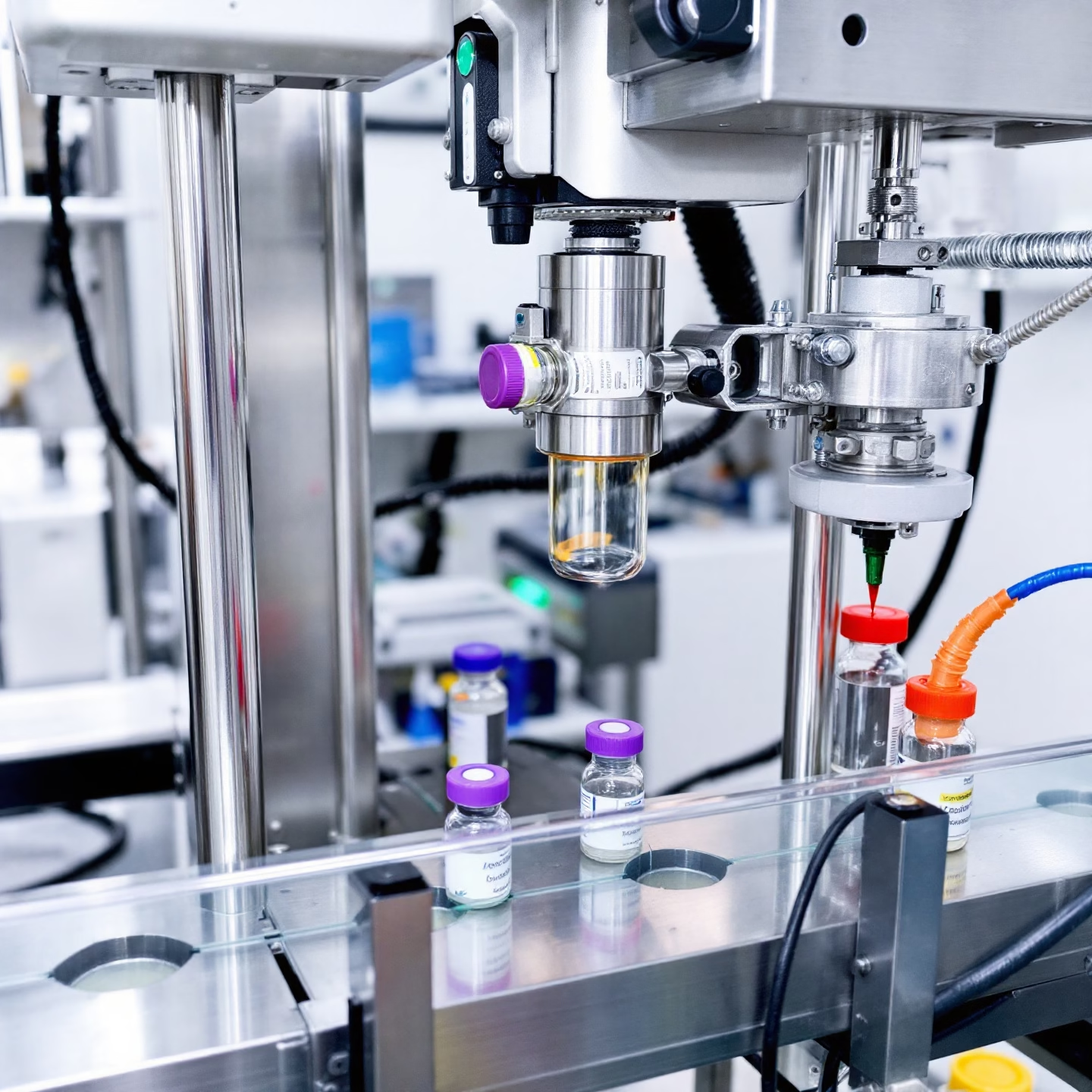
- Aseptic Filling Machines: These machines are designed to fill sterile products into vials, syringes, or ampoules in a sterile environment. The equipment must handle liquids or suspensions without introducing contaminants during filling.
- Lyophilizers (Freeze Dryers): These produce lyophilized (freeze-dried) sterile products. The process involves freezing the product and then reducing the pressure to allow sublimation, which removes water while maintaining sterility and stability.
- Sterile Mixing Tanks are used for mixing active pharmaceutical ingredients (APIs), excipients, and solvents to form a sterile solution or suspension, often under controlled sterile conditions to prevent contamination.
Packaging Materials
- Sterile Containers: The primary packaging, such as vials, ampoules, pre-filled syringes, and IV bags, must be sterile and made from materials that do not compromise the product’s sterility. The containers must also be resistant to physical damage during handling and transport.
- Sterile Closures: To prevent microbial contamination, rubber stoppers, seals, or other closure systems used to seal containers must also be sterilized.
- Tamper-evident seals: Packaging systems must include tamper-evident seals to ensure the product remains sealed and uncontaminated from the manufacturing facility to the end user.
Microbial Control Systems
- Air Filtration Systems: HEPA filters are used in cleanrooms to ensure the air remains free from microorganisms and particulate matter. Airflow must be continuously monitored, and the filter system must be maintained and replaced.
- Surface Sanitization: Cleanroom surfaces must be regularly cleaned and disinfected to maintain aseptic conditions. This includes sterilizing walls, floors, and equipment to avoid contamination.
- Monitoring and Environmental Control: Continuous monitoring of air quality, microbial contamination, temperature, and humidity in the cleanroom is essential to ensure the environment remains sterile.
Sterility Testing and Quality Control
- Microbiological Testing: Sterility testing involves assessing the final product for microbial contamination. Methods like direct inoculation and membrane filtration are used to test samples for the presence of bacteria or fungi.
- Endotoxin Testing: Sterile products, especially those intended for injection, must be tested for endotoxins (toxic bacterial byproducts) using the Limulus Amebocyte Lysate (LAL) assay to ensure that they do not contain harmful levels of endotoxins.
- Physical and Chemical Testing: This includes tests to measure pH, concentration of active ingredients, particle counts, and visual inspection for foreign particles in the product. These tests ensure that the product meets the necessary specifications.
Personnel and Training
- Aseptic Technique Training: All personnel manufacturing sterile products must undergo rigorous training in aseptic techniques, including properly handling materials and equipment to avoid contamination.
- Personal Protective Equipment (PPE): Workers must wear sterile gowns, gloves, masks, face shields, and sometimes full-body suits to prevent the introduction of microorganisms into the environment or the product during manufacturing.
- Access Control: Personnel are usually restricted from entering sterile areas unless adequately trained and dressed in the necessary protective equipment. Access is controlled to maintain the sterility of the environment.
Validation and Documentation
- Process Validation: The entire manufacturing process must be validated to produce sterile products that consistently meet predefined quality specifications. This includes validating sterilization cycles, filling processes, and environmental conditions.
- Batch Records: Detailed records are kept for every batch of product manufactured. These records include raw materials, equipment, test results, and environmental monitoring information. This ensures traceability and accountability.
- Regulatory Compliance: The manufacturing process must comply with regulatory guidelines, such as Good Manufacturing Practices (GMP), and is subject to inspection by regulatory authorities such as the FDA, EMA, or other national agencies. Compliance with these regulations is essential for product approval and market release.
Storage and Distribution
- Controlled Storage: Sterile medicinal products must be stored in environments that prevent contamination and degradation. This includes temperature-controlled storage areas for heat-sensitive products and appropriate shelf-life monitoring.
- Transportation Conditions: Distributing sterile products requires careful transportation, ensuring that conditions such as temperature and humidity are controlled to preserve sterility and product quality.
Risk Management and Contamination Control
- Contamination Control Programs: A thorough contamination control program is essential to minimize the risk of microbiological contamination at all stages of production. This includes proactive monitoring of environmental conditions, frequent testing, and using sterility assurance protocols.
- Quality Assurance: Dedicated quality assurance (QA) teams oversee the entire manufacturing process, from raw material testing to final product release, ensuring compliance with all regulatory and quality requirements.
Requirements for facilities, utilities, and equipment in sterile manufacturing
The facilities, utilities, and equipment requirements for the sterile manufacturing process are critical to ensure that the products remain free from contamination and meet the highest standards of quality and safety. Below is an overview of the necessary facilities, utilities, and equipment needed for a sterile manufacturing environment:
Facilities Requirements
Sterile manufacturing requires specialized facilities designed and equipped to minimize the risk of contamination. These facilities must also meet stringent regulatory standards and guidelines, such as Good Manufacturing Practices (GMP).
- Cleanrooms
- Design and Classification: Cleanrooms are central to sterile manufacturing. They must be designed according to the required ISO classification for air cleanliness (e.g., ISO Class 5 for areas where sterile products are handled). Airborne particulate levels must be kept very low, and contamination sources like dust, bacteria, and fungi must be controlled.
- Airflow Control: Cleanrooms must have unidirectional airflow (laminar flow) to remove particles from the environment. Air must flow from clean areas to less clean areas to minimize the risk of contamination.
- Pressure Control: Positive pressure is maintained inside cleanrooms to prevent the infiltration of contaminated air from outside or adjacent rooms. This ensures that air flows out of the cleanroom, not in, preventing external contaminants from entering.
- Temperature and Humidity Control: Cleanrooms must maintain specific temperature and humidity ranges to optimize manufacturing and ensure product stability.
- Surfaces and Materials: Surfaces inside the cleanroom must be non-porous and easy to clean. Materials used in construction must not shed particles into the air and must be resistant to cleaning and disinfecting agents.
2. Dedicated Manufacturing Areas
- Aseptic Processing Areas: These areas are designed for filling, sealing, and packaging sterile products. They must be kept separate from non-sterile areas to avoid cross-contamination.
- Sterilization Zones: Areas where sterilization equipment (such as autoclaves, dry heat sterilizers, and sterilizing filters) is used must be equipped to handle the high temperatures and conditions required for sterilization without contaminating the product.
- Storage Areas: Dedicated storage areas should be established for raw materials, intermediate products, and finished products. These areas must be temperature and humidity-controlled to maintain product quality.
3. Airlocks and Gowning Areas
- Airlocks are barriers between clean and non-clean areas, ensuring air quality is maintained when personnel or materials pass between different zones.
- Gowning Areas: These are designated spaces where personnel put on sterile garments (gowns, gloves, masks, etc.) before entering the sterile areas. The gowning process is critical to avoid contamination by personnel.
The proper functioning of sterile manufacturing relies heavily on specific utilities that maintain environmental conditions and ensure the product’s sterility.
- Water Systems
- Water for Injection (WFI): WFI is used to prepare pharmaceutical products and must meet stringent microbiological and chemical quality standards. The water system should include a reverse osmosis (RO) or distillation system for purification, followed by a storage and distribution system designed to maintain sterility.
- Purified Water cleans equipment, personnel, and non-sterile processing stages. It should also meet strict standards for microbial and chemical quality.
- Cleaning and Sterilization: WFI is often used for cleaning and sterilizing equipment, and it should be stored and distributed through a system designed to avoid microbial growth (e.g., through temperature control and filtration).
- Sterile Compressed Air: Compressed air is used to operate machinery, clean surfaces, and, in some cases, for filling. It must be filtered to remove particles and microorganisms. The air is often filtered through 0.2-micron filters to ensure sterility.
- Nitrogen: In some processes, nitrogen is used to displace oxygen in certain manufacturing steps (e.g., in lyophilization) or to preserve the integrity of the product.
- Carbon Dioxide: In certain drug manufacturing processes, carbon dioxide controls pH or as a solvent in some applications.
3. Power and Backup Systems
- Uninterruptible Power Supply (UPS): A stable power supply is essential for sterile manufacturing processes, especially for critical equipment like environmental control systems (HVAC) and sterilization machines. A backup UPS or generator is required to prevent production disruptions.
- Temperature and Humidity Control: Cleanrooms and manufacturing areas need constant temperature and humidity monitoring to maintain stable environmental conditions. The HVAC systems should include redundancy to maintain controlled conditions in case of failure.
4. Waste Disposal Systems
- Waste Management: Proper disposal of biological, chemical, and pharmaceutical waste is essential for maintaining sterile conditions and environmental safety. Waste systems must handle contaminated materials such as used filters, sterilization waste, or contaminated clothing.
Equipment Requirements
Manufacturing sterile medicinal products involves specialized equipment that ensures both sterility and product quality throughout production.
- Sterilization Equipment
- Autoclaves (Steam Sterilizers) sterilize equipment and materials that can tolerate high temperatures and pressure. They are critical for sterilizing containers, tools, and even product solutions.
- Dry Heat Sterilizers: These machines use dry heat to sterilize heat-stable components (e.g., glass vials and closures) that cannot withstand moisture from steam sterilization.
- Filtration Units: Sterilizing filtration systems remove microorganisms from heat-sensitive liquids or solutions. These units use 0.22-micron filters to remove bacteria, fungi, and other contaminants.
- Gamma Radiation Equipment sterilizes products like plastic packaging and certain drug formulations by using ionizing radiation to kill microorganisms.
2. Aseptic Filling and Packaging Equipment
- Aseptic Filling Machines: These machines are designed to fill sterile products into containers (such as vials or syringes) without contaminating the product. The system maintains a sterile environment during filling and sealing.
- Lyophilizers (Freeze Dryers): These produce freeze-dried sterile products, particularly in biologics and vaccines. Lyophilization is essential for the long-term storage of products sensitive to heat and moisture.
- Capping and Sealing Equipment: Automated machines seal containers securely with sterile caps or closures. These machines also ensure the seal is tamper-evident and prevent contamination during transportation and storage.
- Inspection and Quality Control Equipment: After filling and sealing, visual inspection machines check vials or containers for defects, particles, and leaks. Systems like in-line particle counters and optical inspection machines help identify problems early.
3. Cleaning and Sterilization Equipment
- Washing Systems: Automated systems clean glassware, vials, and other equipment using water, detergents, and sometimes disinfectants. Cleaning protocols must prevent cross-contamination between batches.
- Sanitizing Equipment: This includes systems that use alcohol or other disinfectants to sanitize surfaces in the cleanroom and sterilize non-product contact surfaces.
4. Monitoring and Control Systems
- Environmental Monitoring Systems: These systems continuously monitor the cleanroom for temperature, humidity, and particulate matter. They ensure that conditions stay within acceptable limits to prevent contamination.
- Data Logging Systems: Automated data loggers track temperature, humidity, air pressure, and other critical parameters during manufacturing, ensuring that deviations are recorded and addressed in real-time.
- Batch Control Systems: These systems ensure the manufacturing process follows approved protocols and regulatory standards. They help control the flow of materials and monitor the processing steps in real time.
Mandatory Regulations for the Manufacturing of Sterile Medicinal Products
Manufacturing sterile medicinal products is subject to rigorous regulations to ensure their safety, efficacy, and quality. The regulations vary slightly depending on the regulatory body in different countries or regions. Below is an overview of the applicable regulations for sterile medicinal products manufacturing from key regulatory agencies, including the FDA (U.S.), Health Canada, EMA (Europe), WHO, ANVISA (Brazil), TGA (Australia), MCC (South Africa), and MHRA (UK).
FDA (Food and Drug Administration – United States)
The FDA enforces regulations to ensure the quality and sterility of medicinal products in the U.S. Key regulations include:
- Current Good Manufacturing Practice (CGMP)
- 21 CFR Parts 210 and 211: These regulations outline the CGMP requirements for pharmaceutical manufacturing. Part 211 covers the requirements for sterile drug products, including the necessary facilities, equipment, personnel, and processes for sterile production.
- 21 CFR Part 210: General regulations for manufacturing, processing, and packaging drugs.
- 21 CFR Part 211: Specific regulations for drug manufacturing, focusing on quality control, sterility assurance, and aseptic processing.
2. Guidance on Sterile Drug Products Produced by Aseptic Processing
- FDA Guidance for Industry: Sterile Drug Products Produced by Aseptic Processing (2004): This guidance provides critical information on the design and operation of processes to maintain sterility, covering topics like sterilization methods, aseptic processing, and quality control.
3. Sterility Testing and Validation
- FDA regulations require robust sterility testing and sterilization validation procedures to ensure product sterility throughout production.
Health Canada
Health Canada’s Health Products and Food Branch (HPFB) regulates medicinal and sterile products. Relevant regulations include:
- Good Manufacturing Practices (GMP) for Pharmaceutical Products
- GUI-0001 – Good Manufacturing Practices (GMP): This guideline outlines the GMP requirements for all pharmaceutical products, including sterile medicinal products.
- Part B of the Food and Drug Regulations: This regulation establishes the general requirements for manufacturing, testing, and releasing drug products in Canada.
2. Sterile Manufacturing
- Guideline on Sterile Drugs and Biologics: This guideline provides specific instructions on manufacturing sterile pharmaceutical products, including aseptic processing and sterilization methods.
EMA (European Medicines Agency)
The EMA is the governing body for medicinal products in the European Union (EU) and follows specific guidelines for manufacturing sterile medicinal products.
- Good Manufacturing Practice (GMP) for Medicinal Products
- EudraLex Volume 4 – GMP: The EU’s GMP Guide provides comprehensive regulations for manufacturing medicinal products, including sterile drugs.
- Annex 1: Manufacture of Sterile Medicinal Products: This annex provides detailed guidelines on sterile product manufacturing, including cleanroom requirements, aseptic processing, sterilization, and environmental controls.
2. European Pharmacopoeia (EP)
- The European Pharmacopoeia (EP) outlines standards for the sterility, quality control, and testing of pharmaceutical products, including sterile medicinal products.
WHO (World Health Organization)
The WHO sets global standards for the production of medicinal products, especially in developing countries.
- WHO Good Manufacturing Practices (GMP)
- WHO GMP Guidelines for Pharmaceutical Products: These internationally recognized guidelines outline requirements for manufacturing sterile products, including facilities, equipment, sterilization, aseptic processing, and environmental controls.
- WHO Technical Report Series No. 957: This document outlines the technical standards and recommendations for the production and quality assurance of sterile products.
2. WHO Guidelines for Sterilization
- The WHO Guidelines on Sterilization cover the methods and validation of sterilization processes for sterile medicinal products.
ANVISA (Agência Nacional de Vigilância Sanitária – Brazil)
The ANVISA is Brazil’s health regulatory agency, and it enforces the following regulations for sterile medicinal product manufacturing:
- Brazilian GMP (Good Manufacturing Practice)
- ANVISA RDC 17/2010: This regulation provides the GMP requirements for pharmaceutical manufacturing, including sterile products. It includes guidance on aseptic processing, sterilization, and quality control.
- ANVISA RDC 301/2019: This regulation governs the quality control of medicines in Brazil, including the manufacture and testing of sterile products.
TGA (Therapeutic Goods Administration – Australia)
The TGA regulates medicines in Australia, including sterile medicinal products. The key regulations are:
- Good Manufacturing Practice (GMP) for Medicinal Products
- TGA GMP Code of Practice: This guideline outlines GMP standards for manufacturing medicinal products, including sterile medicinal products. It covers environmental controls, personnel qualification, aseptic processing, and sterilization.
2. Therapeutic Goods Administration (TGA) Guidelines
- The TGA guidelines include instructions for sterilization, aseptic filling, and the validation of sterilization methods.
MCC (Medicines Control Council – South Africa)
The MCC, now under the SAHPRA (South African Health Products Regulatory Authority), regulates medicinal products in South Africa.
- South African GMP (Good Manufacturing Practice)
- MCC Guidelines for Good Manufacturing Practice: These guidelines provide the framework for pharmaceutical manufacturing in South Africa, including producing sterile medicinal products. They include requirements for aseptic processing, sterilization, and cleanroom design.
- MCC Code of Practice for Sterile Medicinal Products: This includes specific requirements for validating sterilization processes and aseptic techniques in manufacturing sterile drugs.
MHRA (Medicines and Healthcare products Regulatory Agency – United Kingdom)
The MHRA is the UK’s regulatory body for medicines, including sterile medicinal products.
- UK GMP (Good Manufacturing Practice)
- MHRA GMP Guide: This guideline outlines the GMP standards for pharmaceutical manufacturing in the UK. It includes specific sterile medicinal product manufacturing requirements, such as cleanroom standards, sterilization, and aseptic processing.
- Annex 1: Manufacture of Sterile Medicinal Products: Similar to the EMA’s Annex 1, the MHRA provides detailed guidance on sterilization, aseptic processing, and cleanroom design.
2. MHRA Sterility Assurance and Validation
- The MHRA issues guidelines on sterility assurance and validation, which provide the framework for validating sterilization and aseptic processing methods.
Summary of Key Regulations by Authority:
| Regulatory Authority | Key Regulations |
| FDA (U.S.) | 21 CFR Parts 210, 211; Guidance for Aseptic Processing and Sterilization |
| Health Canada | GUI-0001; Food and Drug Regulations, Part B |
| EMA (Europe) | EudraLex Volume 4; Annex 1: Manufacture of Sterile Medicinal Products |
| WHO | WHO GMP Guidelines; Technical Report Series No. 957 |
| ANVISA (Brazil) | ANVISA RDC 17/2010; ANVISA RDC 301/2019 |
| TGA (Australia) | TGA GMP Code of Practice; TGA Guidelines for Sterilization and Aseptic Processing |
| MCC (South Africa) | MCC Guidelines for GMP; MCC Code of Practice for Sterile Medicinal Products |
| MHRA (UK) | MHRA GMP Guide; Annex 1: Manufacture of Sterile Medicinal Products |
Warnings and Form 483 related to inadequate sterile product manufacturing
Warning letters and Form 483 are tools used by regulatory bodies like the FDA, EMA, Health Canada, and others to notify manufacturers of non-compliance with regulations, especially in sterile medicinal product manufacturing. These documents are typically issued when a manufacturer fails to meet Good Manufacturing Practices (GMP) or other specific regulatory requirements. Below is an overview of how these regulatory bodies address issues in sterile product manufacturing, along with examples of violations and actions taken.
FDA (Food and Drug Administration – United States)
- Form 483 (Inspectional Observations):
- Form 483 is issued when an FDA inspector observes violations during a facility inspection. For sterile manufacturing, common issues include:
- Inadequate Sterilization Processes: Issues with validating sterilization methods (e.g., autoclaving, filtration).
- Aseptic Processing Failures: Poor aseptic techniques or unqualified sterile manufacturing personnel.
- Environmental Control Violations: Non-compliance with cleanroom standards, including air quality, particle counts, and microbial contamination control.
- Failure to Follow Sterility Assurance Protocols: Failure to adequately document or follow protocols to ensure product sterility.
- Lack of Proper Validation: Incomplete or inadequate validation of manufacturing processes, sterilization methods, and aseptic techniques.
Example of a Form 483:
- Example: In one case, the FDA issued a Form 483 to a manufacturer of sterile injectables for failure to adequately validate its sterilization processes. The agency observed improper cleaning and sterilization of equipment, inadequate environmental monitoring, and poor handling of sterile equipment.
2. Warning Letters:
- After receiving Form 483, the FDA may issue a Warning Letter if the issues are not adequately addressed. These letters are more serious and indicate potential enforcement action if the manufacturer does not correct the violations.
Example of a Warning Letter:
- A manufacturer of sterile eye drops was issued a Warning Letter for failing to adequately validate its aseptic processing and sterilization methods. The FDA found that the facility had not conducted the necessary sterilization validation for its autoclave processes and had not sufficiently controlled microbial contamination in critical areas, posing a risk to product sterility.
Health Canada
1. Inspection and Non-Compliance Reports:
- Health Canada conducts inspections of manufacturing facilities under its GMP regulations. Non-compliance can lead to warnings, corrective actions, and even product recalls.
Common sterile manufacturing violations:
- Inadequate aseptic techniques.
- Poor cleanroom standards and contamination risks.
- Failure to validate sterilization methods.
- Incomplete documentation of GMP procedures.
Example:
- A sterile injectable drug manufacturer in Canada was cited for failing to meet GMP requirements for sterility testing and validation of sterilization processes. After an inspection, Health Canada issued a non-compliance report requesting corrective actions, including the proper validation of sterilization equipment.
EMA (European Medicines Agency)
1. GMP Inspections and Observations:
- The EMA conducts inspections through the European Union member states to ensure compliance with the EU GMP guidelines. Deficiencies in sterile product manufacturing can result in observation reports or formal warnings.
Common issues:
- Inadequate environmental monitoring in sterile manufacturing areas.
- Failure to properly validate sterilization processes, such as autoclaving or filtration.
- Contamination control issues in aseptic processing.
- Inadequate personnel training in sterile techniques.
Example:
- An inspection report from the EMA regarding a facility in the EU noted sterile injectable manufacturing issues. The agency found that the manufacturer did not adequately validate its aseptic processing systems, leading to potential contamination risks.
2. EU GMP Non-Compliance Reports:
- If serious violations are found, the EMA can escalate the issue to the European Medicines Agency’s Committee for Medicinal Products for Human Use (CHMP), which may recommend withdrawing marketing authorization.
WHO (World Health Organization)
- The WHO provides guidelines for global GMP standards, and it helps countries adopt these practices. Manufacturers violating WHO GMP guidelines for sterile products may trigger warnings or sanctions.
Example:
- WHO Inspection Report: A sterile pharmaceutical manufacturer was found to have failed to document sterilization validation and aseptic processing properly. The WHO sent a warning notice urging the company to implement corrective actions to improve sterility assurance and aseptic techniques.
ANVISA (Brazil)
- The Brazilian Health Regulatory Agency (ANVISA) enforces GMP compliance and regularly inspects manufacturing facilities for sterile product compliance.
- Inspection Reports and Warnings:
Common violations:
- Inadequate aseptic techniques.
- Sterility testing deficiencies.
- Failure to adhere to validated sterilization methods.
Example:
- ANVISA Warning Letter: A manufacturer of sterile intravenous solutions in Brazil was issued a warning for failing to conduct proper sterility testing and validation of aseptic processes. The agency highlighted the lack of environmental monitoring and failure to maintain sterile conditions during manufacturing properly.
TGA (Therapeutic Goods Administration – Australia)
- The TGA regulates medicinal products, including sterile products, in Australia. The TGA conducts inspections to ensure GMP compliance.
Examples of common violations:
- Failure to validate sterilization processes, such as autoclave cycles and filtration.
- Environmental monitoring issues.
- Non-compliance with aseptic technique requirements.
Example:
- A TGA Warning Letter was issued to a manufacturer for inadequate control over the aseptic filling process of sterile medicines. The company had not adequately validated their equipment and methods, and environmental monitoring did not meet the required standards.
MCC (Medicines Control Council – South Africa)
- The MCC (now SAHPRA) inspects manufacturing facilities to ensure compliance with GMP.
Common violations in sterile product manufacturing:
- Aseptic process failures.
- Sterilization validation issues.
- Environmental controls: issues such as inadequate cleanroom maintenance or microbial contamination.
Example:
- A sterile injectable manufacturer was issued a non-compliance report after failing to validate their sterilization and aseptic processing systems. The report outlined significant deficiencies in maintaining sterile conditions during production.
MHRA (Medicines and Healthcare products Regulatory Agency – UK)
- The MHRA inspects facilities to ensure that sterile products are manufactured according to the UK GMP guidelines.
Common violations include:
- Inadequate sterilization methods or validation.
- Failure to meet aseptic processing requirements.
- Environmental contamination due to poor facility conditions.
Example:
- An MHRA Warning Letter was issued to a UK-based manufacturer for violations in the manufacturing process of sterile eye drops. Issues included improper aseptic techniques and failures to maintain cleanroom conditions, risking contamination.
Contact Us
GxP Cellators Consultants Ltd. is a well-regarded contract services organization that offers comprehensive Good x Practices (GxP) services in Manufacturing, Laboratory, Distribution, Engineering, and Clinical practices to a range of industries, including Biopharmaceuticals, Pharmaceuticals, and Medical Devices. We work closely with our esteemed life sciences clients to assist them in establishing greenfield or brownfield projects, guiding them from the project stage to regulatory approval for their GxP sites.
Our team comprises highly qualified experts specializing in Good Manufacturing Practices (GMP), Good Laboratory Practices (GLP), Good Clinical Practices (GCP), Good Distribution Practices (GDP), Cleanroom Operations, and Engineering Operations. Our Subject Matter Experts (SMEs) undergo extensive training and possess the essential knowledge and skills to excel in their respective domains.
We also have a team of highly skilled validation specialists with expertise in equipment and utilities qualifications, computerized system validations (CSV), thermal validations, clean utilities validation, and cleanroom validations. If you need help preparing your facilities or site equipment, please don’t hesitate to contact us at .

